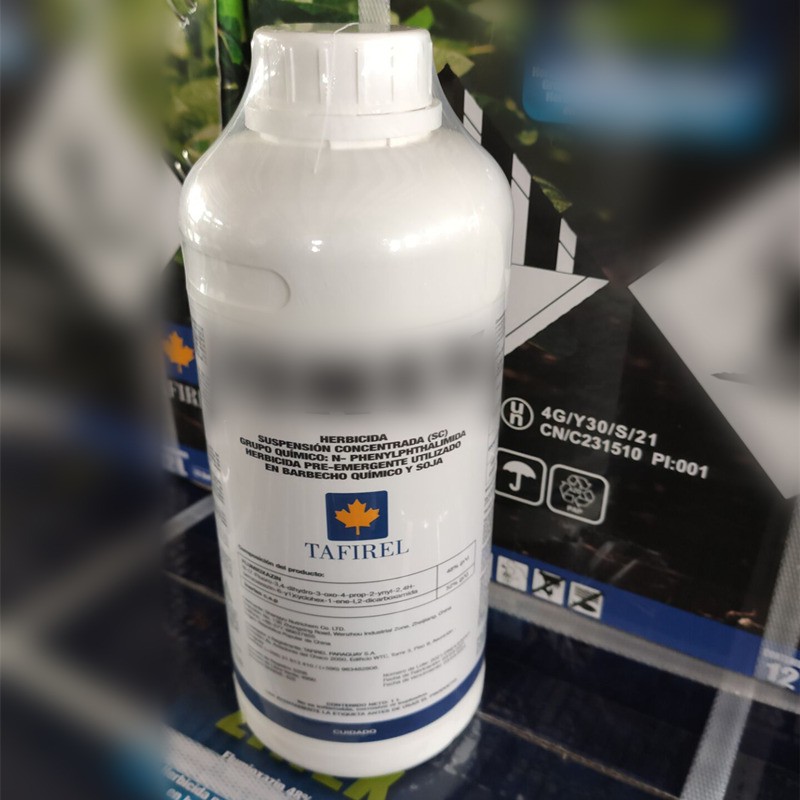
Is Profenofos Used in Integrated Pest Management Programs?
As a supplier of profenofos, I've witnessed firsthand the growing interest in this chemical within the realm of pest management. Integrated Pest Management (IPM) is a comprehensive approach that combines biological, cultural, physical, and chemical tools to manage pests in an economically and environmentally sustainable way. The question of whether profenofos has a place in IPM programs is both timely and crucial for farmers, agronomists, and pest control professionals.
Understanding Profenofos
Profenofos is an organophosphate insecticide and acaricide known for its broad - spectrum activity against a wide range of pests. It works by inhibiting the activity of acetylcholinesterase, an enzyme essential for the normal functioning of the nervous system in insects and mites. This disruption leads to overstimulation of the nervous system, ultimately resulting in the death of the pest.
One of the key advantages of profenofos is its effectiveness against many economically important pests, including bollworms, whiteflies, aphids, and spider mites. These pests can cause significant damage to crops such as cotton, vegetables, fruits, and cereals. For example, in cotton production, bollworms can reduce yields by feeding on the bolls, and profenofos has been shown to provide good control of these pests.
Profenofos in the Context of IPM
In an IPM program, the use of chemical pesticides is just one part of a larger strategy. The goal is to use chemicals in a way that minimizes their impact on the environment and non - target organisms while still effectively controlling pests. Profenofos can play a role in IPM, but its use must be carefully considered.
1. Compatibility with Biological Control
Biological control is a cornerstone of IPM, involving the use of natural enemies such as predators, parasites, and pathogens to control pests. Profenofos can have both positive and negative impacts on biological control agents. On one hand, if used at the right time and in the right dosage, it can quickly reduce pest populations, which may give natural enemies a better chance to establish and maintain control. On the other hand, profenofos is toxic to many beneficial insects, including ladybugs, lacewings, and parasitoid wasps. Therefore, when incorporating profenofos into an IPM program, it is essential to time its application to avoid periods when natural enemies are most active.
2. Cultural and Physical Control Integration
Cultural and physical control methods, such as crop rotation, tillage, and the use of barriers, can reduce pest populations and the need for chemical pesticides. Profenofos can be used in conjunction with these methods. For example, after a crop rotation that has reduced the initial pest pressure, a targeted application of profenofos may be sufficient to keep pest numbers in check. Physical barriers like nets can also prevent some pests from reaching the crops, reducing the amount of profenofos needed.
3. Resistance Management
Resistance is a major concern in pest management. Over - reliance on a single pesticide can lead to the development of resistant pest populations. In an IPM program, profenofos should be used as part of a rotation with other pesticides with different modes of action. This helps to delay the development of resistance. For instance, alternating between profenofos and a pyrethroid insecticide can reduce the selection pressure on pests for resistance to either chemical.
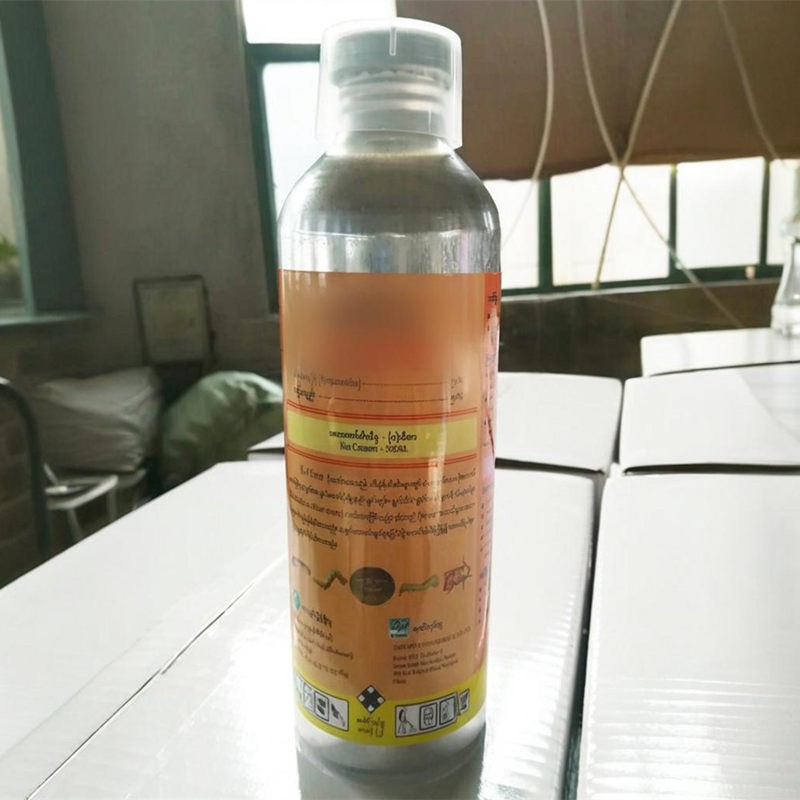
Our Profenofos Product: Profenofos 500G/L EC
We offer Profenofos 500G/L EC, a high - quality formulation of profenofos. This product has been carefully developed to ensure maximum efficacy and safety. It is easy to apply and has a good shelf - life, making it a convenient choice for farmers and pest control operators.
The 500G/L EC formulation provides a concentrated and stable form of profenofos, which can be diluted according to the specific pest control needs. It has been tested in various field trials and has shown excellent results in controlling a wide range of pests. Whether you are dealing with a minor pest infestation or a severe outbreak, our Profenofos 500G/L EC can be an effective tool in your IPM arsenal.
Case Studies
Let's look at some real - world examples of how profenofos has been used in IPM programs.
Case 1: Cotton Production in India
In many cotton - growing regions of India, farmers have adopted IPM programs to manage bollworms. They start with cultural practices such as early sowing and proper spacing to reduce pest pressure. Biological control agents like Trichogramma wasps are released to parasitize bollworm eggs. However, during peak pest seasons, a targeted application of profenofos is used. By using profenofos in combination with these other methods, farmers have been able to reduce the overall use of pesticides while maintaining good cotton yields.
Case 2: Vegetable Farms in the United States
On vegetable farms in the US, IPM programs often involve the use of row covers to protect crops from pests. However, when pests such as aphids and whiteflies manage to penetrate the covers, a small amount of profenofos can be applied. This approach helps to keep pest populations under control without over - relying on chemical pesticides.
Environmental and Safety Considerations
While profenofos can be an effective tool in IPM, it is important to address environmental and safety concerns. Organophosphate pesticides, including profenofos, are known to be toxic to humans and wildlife. Therefore, strict safety measures must be followed during its handling, storage, and application.
Farmers and pest control operators should wear appropriate personal protective equipment (PPE) such as gloves, goggles, and respirators when using profenofos. It should also be stored in a secure place away from food, water sources, and children. In addition, the use of profenofos should be carefully regulated to minimize its impact on the environment, especially on water bodies and non - target organisms.
Conclusion
Profenofos can be a valuable component of Integrated Pest Management programs when used correctly. Its broad - spectrum activity against pests makes it a useful tool, but it must be integrated with other pest control methods to achieve sustainable pest management. Our Profenofos 500G/L EC product offers a reliable and effective option for those looking to incorporate profenofos into their IPM strategies.
If you are interested in learning more about how profenofos can fit into your pest management program or would like to discuss purchasing our products, we encourage you to reach out. We are here to provide you with the information and support you need to make informed decisions about pest control.
References
- Flint, M. L., & van den Bosch, R. (1981). Introduction to Integrated Pest Management. Plenum Press.
- Ware, G. W., & Whitacre, D. M. (2004). The Pesticide Book. Thomson Publications.
- Kogan, M. (1998). Concepts and evolution of integrated pest management. In Integrated Pest Management (pp. 3 - 14). Springer, Dordrecht.