

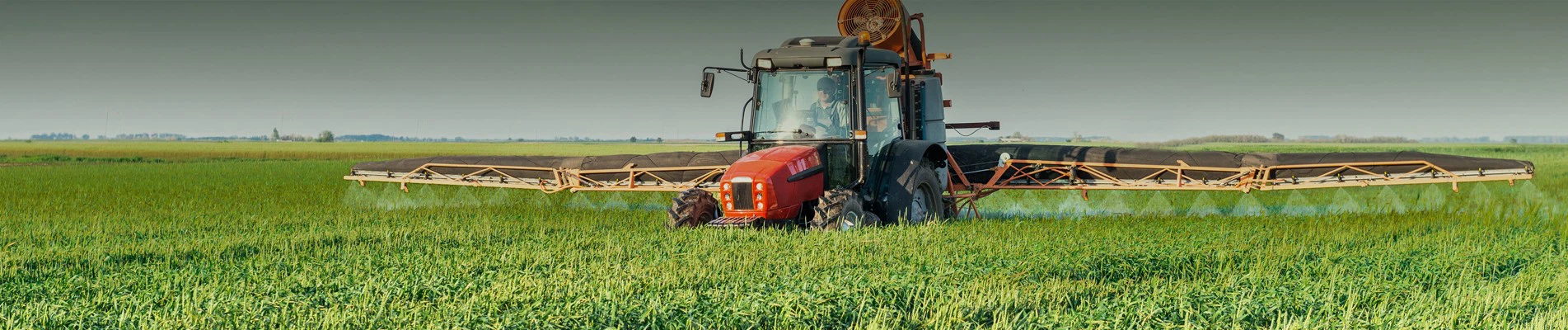
Your Professional Fungicides Supplier
Changzhou Dayilong Bio-Tech Co., Ltd. is a specialized manufacturer dedicated to the production of insecticides, fungicides, herbicides, plant growth regulators, pesticide intermediates, and pesticide auxiliaries.
Complete Production Equipment
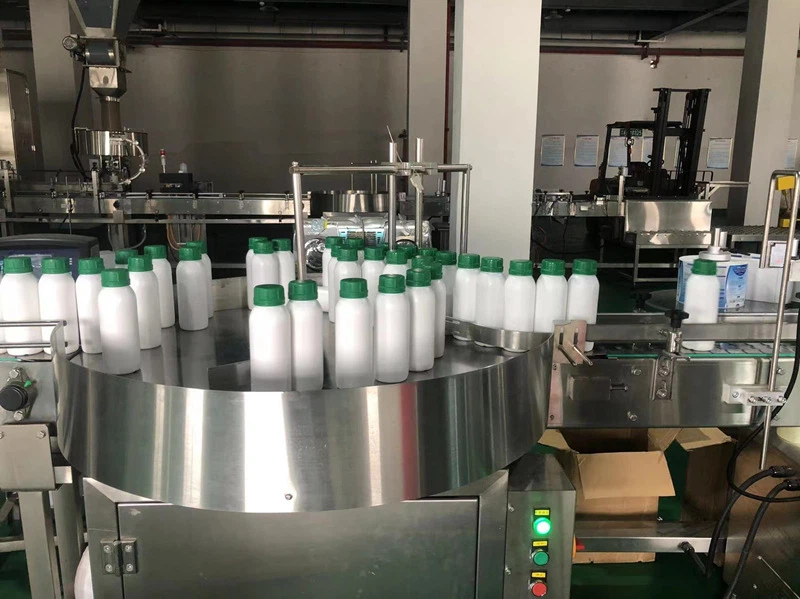
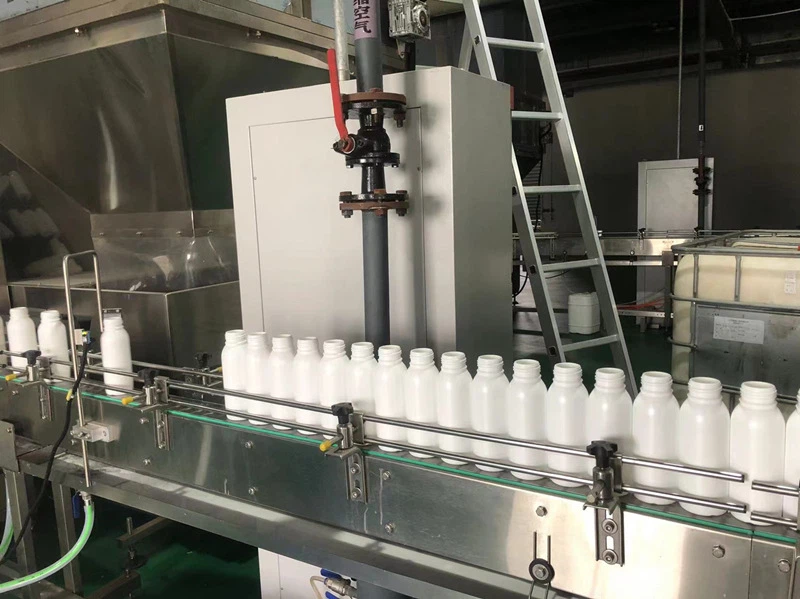
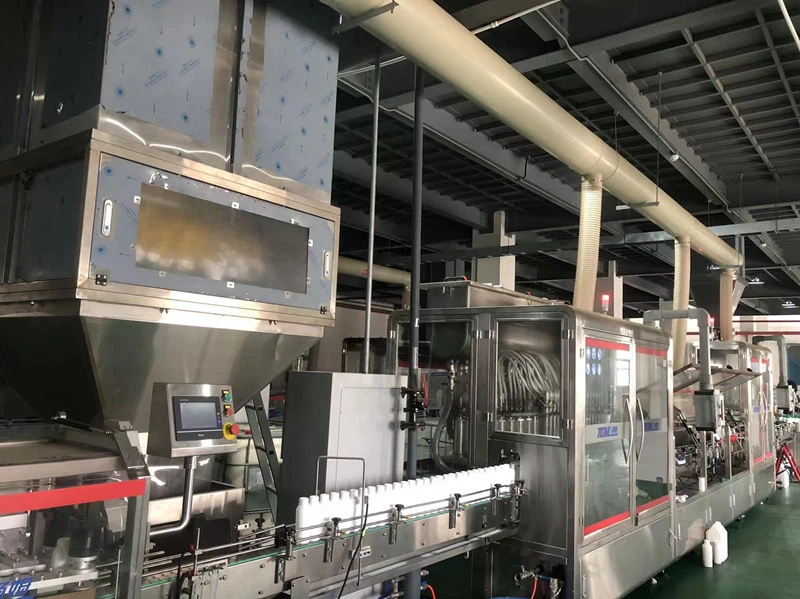
The company has complete OD, SC, SL, EC, FS and other liquid dosage form production equipment, such as grinding machine, colloid shear mill, all kinds of reaction devices, etc. With automatic filling equipment, capping equipment, packaging equipment, packaging equipment, etc.
Strict Quality Management
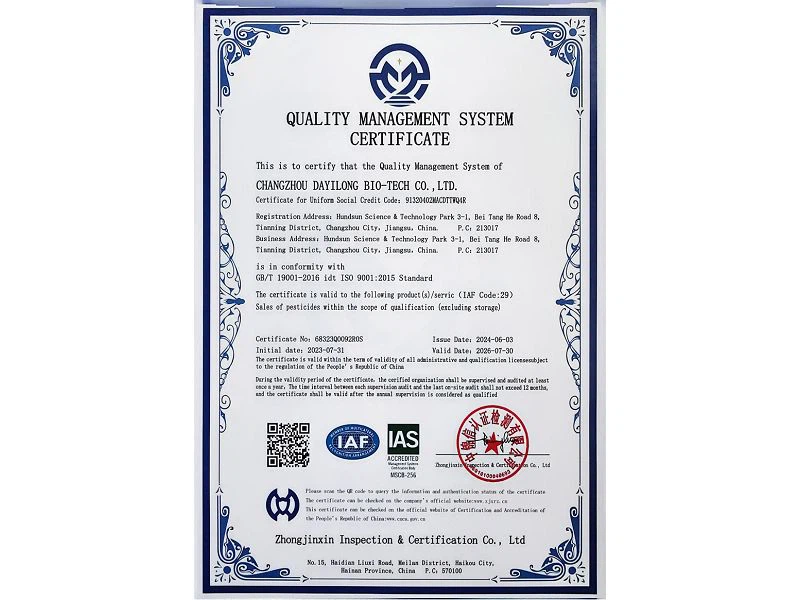
The company strict quality management, from the procurement of raw and auxiliary materials, to product formula verification, production, analysis and testing, sample retention, to packaging, shipping and other links, product quality supervision infiltrates into each process, implemented to every employee.
Professional Services
Fully communicate with customers before sales, provide professional guidance, and help them choose suitable products. Professional personnel track orders during sales to ensure that products reach customers with quality and quantity assurance, and provide detailed usage instructions and technical support.
-
![Prothioconazole 200 G/L + Tebuconazole 200G/L FS]() Prothioconazole 200 G/L + Tebuconazole 200G/L FSFormulation: FS. Packing: 20L, 10L, 5L, 1L, 500ml, 250ml, 100ml, 50ml; 1kg, 500g, 250g, 100g
Prothioconazole 200 G/L + Tebuconazole 200G/L FSFormulation: FS. Packing: 20L, 10L, 5L, 1L, 500ml, 250ml, 100ml, 50ml; 1kg, 500g, 250g, 100g -
![Fludioxonil 24G/L + Difenoconazole 24G/L FS]() Fludioxonil 24G/L + Difenoconazole 24G/L FSFormulation: FS. Packing: 20L, 10L, 5L, 1L, 500ml, 250ml, 100ml, 50ml; 1kg, 500g, 250g, 100g
Fludioxonil 24G/L + Difenoconazole 24G/L FSFormulation: FS. Packing: 20L, 10L, 5L, 1L, 500ml, 250ml, 100ml, 50ml; 1kg, 500g, 250g, 100g -
![Carboxin 100G/L + Thiram 100G/L SC]() Carboxin 100G/L + Thiram 100G/L SCFormulation: SC. Packing: 20L, 10L, 5L, 1L, 500ml, 250ml, 100ml, 50ml; 1kg, 500g, 250g, 100g
Carboxin 100G/L + Thiram 100G/L SCFormulation: SC. Packing: 20L, 10L, 5L, 1L, 500ml, 250ml, 100ml, 50ml; 1kg, 500g, 250g, 100g


Specification
|
Appearance |
Liquid |
|
Melting point |
102.4 ℃ |
|
Density |
1.25 g/cm³ |
|
Boiling point |
476.9±55.0 °C(Predicted) |
|
Function |
Fungicide |
Types of Fungicides
The fungicides produced by our company mainly include the following types:
Tebuconazole
Tebuconazole is a broad-spectrum triazole fungicide used in agriculture to control various plant diseases caused by fungi. It's known for its systemic action, meaning it's absorbed by the plant and distributed throughout its tissues, providing protection from fungal infections.
Fludioxonil
Fludioxonil is a broad-spectrum, contact fungicide used as a seed treatment to control a range of fungal diseases in crops, including Fusarium, Rhizoctonia, and Alternaria. It works by disrupting fungal cellular processes, particularly targeting hisitidine kinase enzymes and hindering glucose metabolism.
Carboxin
Carboxin inhibits the respiratory chain complex II (succinate dehydrogenase) of pathogenic bacteria mitochondria, blocks energy metabolism and destroys cell membrane integrity.
Advantages of Fungicides
Increased photosynthesis
With more healthy leaf area, plants can more effectively use nutrients to achieve maximum yield.
Greater stress tolerance
Vigorous plants are better at withstanding stressors like drought or extreme temperature variation.
Increased water use efficiency
Healthy stalks and leaves are more efficient at using water, leading to an extended grain fill period, thus more opportunity to develop yield.
Increased standability
With fewer stalk diseases, you’ll have fewer stalk issues and less lodging, leading to increased yield (because you're reducing ear loss at harvest).

Fungicide Application Rate
|
Crop |
Diseases |
Dose |
PHI |
|
Cabbage, Cauliflower,Cucurbits, |
Leaf spot, Powdery Midlew (Erysiphe cichoracearum, Sphaerotheca fuliginea) |
30-40 g/100 L |
21 days |
|
Garlic |
Purple blotch (Alternaria porri), Leek rust, Gray Mold (Botrytis cinerea) |
30-40 g/100 L |
21 days |
|
Grape |
Powdery Midlew (Erysiphe cichoracearum, Sphaerotheca fuliginea) |
30-40 g/100 L |
14 days |
|
Onion |
Purple blotch (Alternaria porri), Leek rust, Gray Mold (Botrytis cinerea) |
30-40 g/100 L |
21 days |
|
Pome fruits |
Scab, Powdery Midlew (Erysiphe cichoracearum, Sphaerotheca fuliginea) |
30-40 g/100 L |
7 days |
|
Stone fruit (Almonds, apricots, peaches, plums, nectarine) |
Monilinia, Anthracnose, Powdery Midlew (Erysiphe cichoracearum, Sphaerotheca fuliginea) |
30-40 g/100 L |
7 days |
|
Tomato |
Leaf spot, Powdery Midlew (Erysiphe cichoracearum, Sphaerotheca fuliginea) |
30-40 g/100 L |
7 days |

● Calibrate spray equipment to ensure even spray distribution across the field.
● Use adequate spray volumes (15 to 20 gallons per acre) to ensure active ingredients cover plants deep into the canopy.
● Choose fungicides that are effective against the diseases you want to manage.
● Make timely fungicide applications before diseases develop.
● Refer to product labels before mixing fungicides or adding adjuvants to avoid product antagonism and phytotoxicity risks.
● Add appropriate, labeled adjuvants to the tank mix to reduce the risk of off-target movement and increase plant absorption.
Storage Precautions for Fungicides
Store in cool place. Keep container tightly closed in a well-ventilated place. Containers which are opened must be carefully resealed and kept upright to prevent leakage.
Packaging and Shipping
|
Packaging |
20L, 10L, 5L, 1L, 500ml, 250ml, 100ml, 50ml; 1kg, 500g, 250g, 100g( as per client's requirements) |
|
Shipping |
Shipping by sea, by air, by express are acceptable. According to your requirements. |
Our Factory
Our company is located in Hengsheng Science and Technology Park, Tianning Economic Development Zone, Changzhou, covering an area of more than 800 square meters. Another processing factory in Huaian Lianshui Industrial Park, covers an area of more than 60 mu.
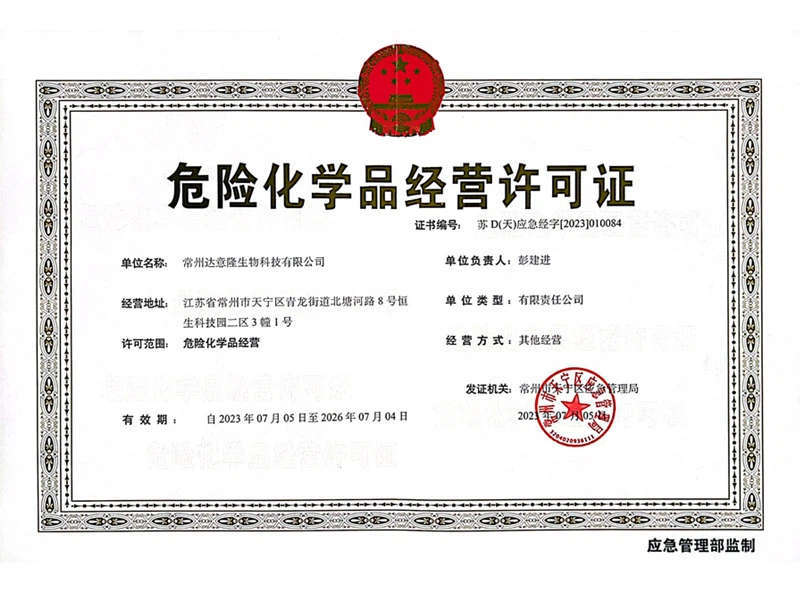
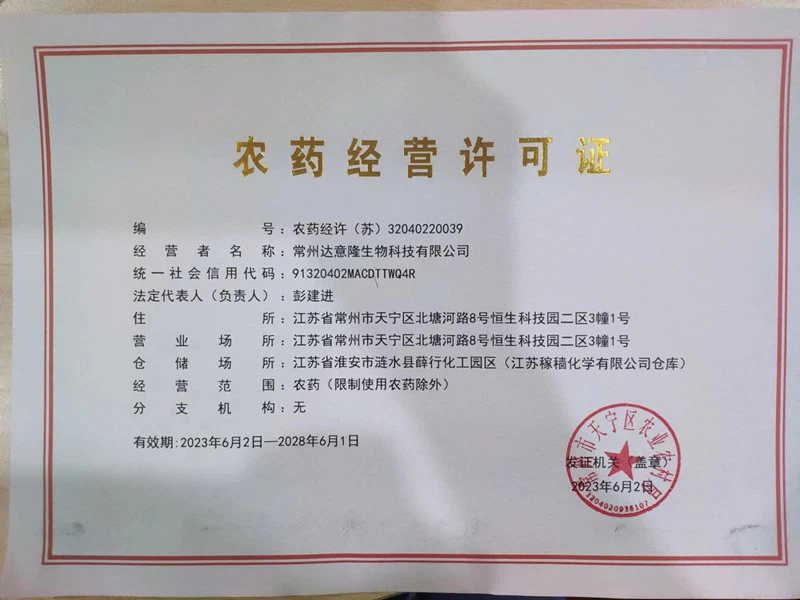
Our Certificate
FAQ
As one of the most professional fungicides manufacturers and suppliers in China, we're featured by quality products and good price. Please rest assured to buy high-grade fungicides from our factory.
Popular Products


