

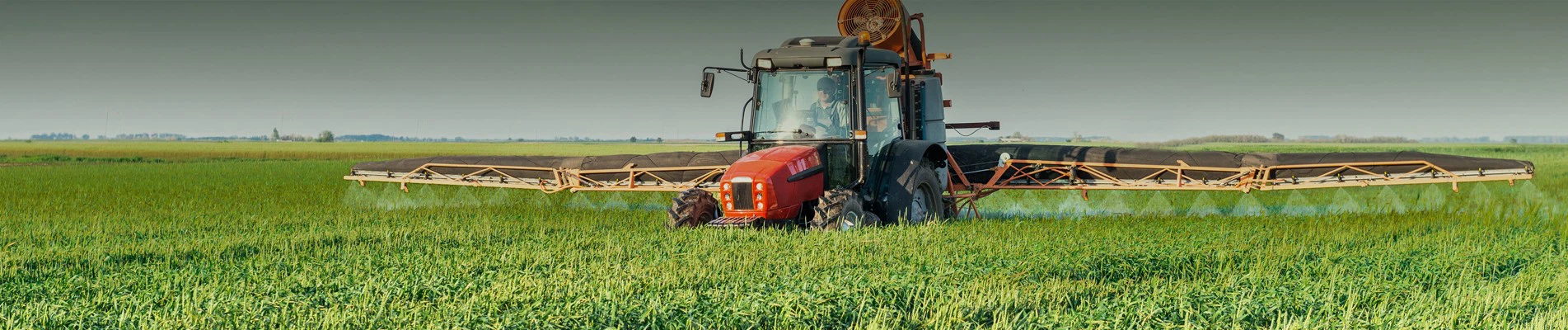
Your Professional Insecticide Supplier
Changzhou Dayilong Bio-Tech Co., Ltd. is a specialized manufacturer dedicated to the production of insecticides, fungicides, herbicides, plant growth regulators, pesticide intermediates, and pesticide auxiliaries.
Complete Production Equipment
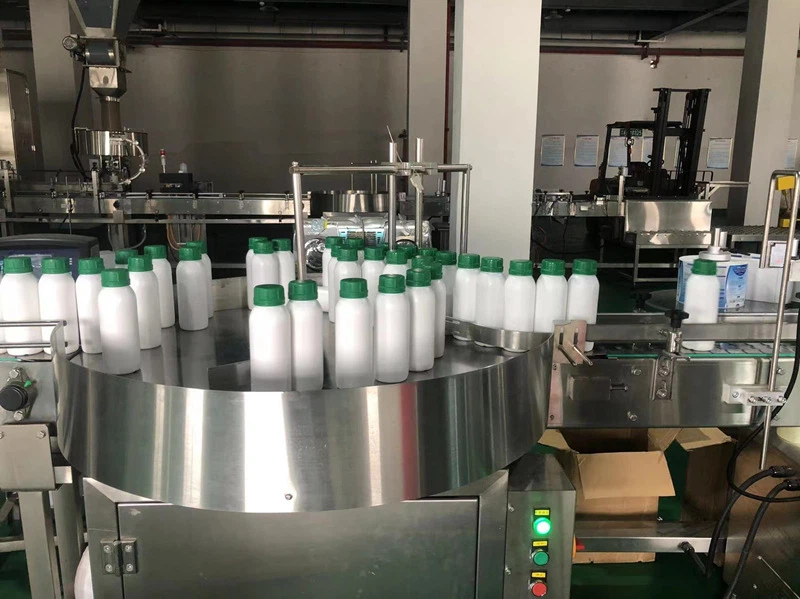
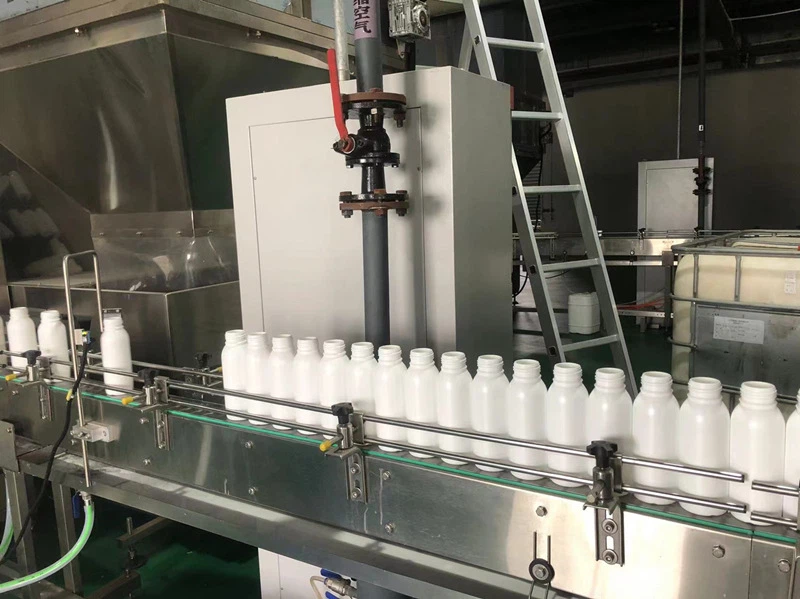
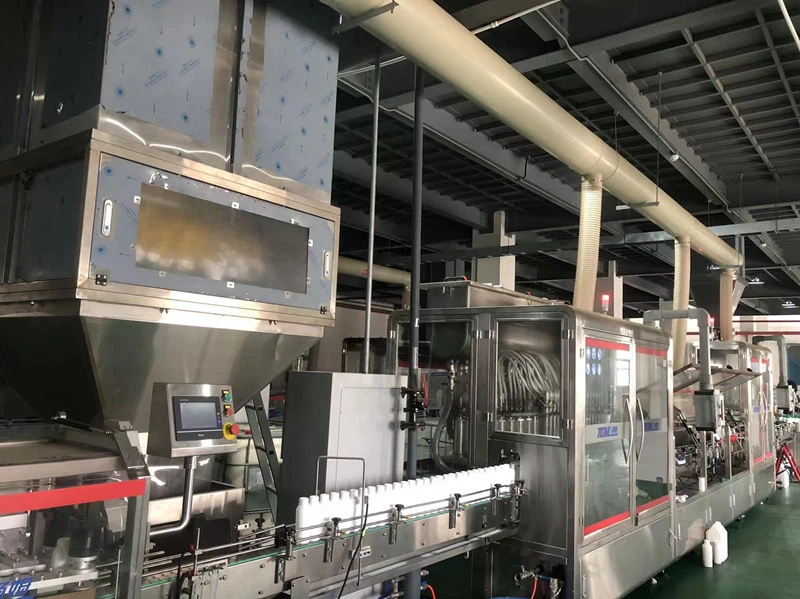
The company has complete OD, SC, SL, EC, FS and other liquid dosage form production equipment, such as grinding machine, colloid shear mill, all kinds of reaction devices, etc. With automatic filling equipment, capping equipment, packaging equipment, packaging equipment, etc.
Strict Quality Management
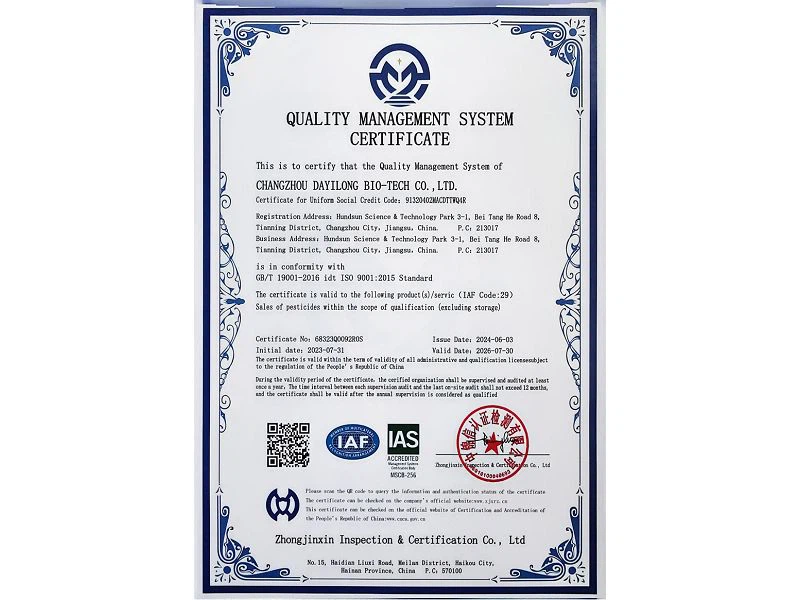
The company strict quality management, from the procurement of raw and auxiliary materials, to product formula verification, production, analysis and testing, sample retention, to packaging, shipping and other links, product quality supervision infiltrates into each process, implemented to every employee.
Professional Services
Fully communicate with customers before sales, provide professional guidance, and help them choose suitable products. Professional personnel track orders during sales to ensure that products reach customers with quality and quantity assurance, and provide detailed usage instructions and technical support.
-
![Thiacloprid 240G/L OD]() Thiacloprid 240G/L ODFormulation: OD. Packing: 20L, 10L, 5L, 1L, 500ml, 250ml, 100ml, 50ml; 1kg, 500g, 250g, 100g
Thiacloprid 240G/L ODFormulation: OD. Packing: 20L, 10L, 5L, 1L, 500ml, 250ml, 100ml, 50ml; 1kg, 500g, 250g, 100g -
![Thiamethoxam 350G/L SC]() Thiamethoxam 350G/L SCFormulation: SC. Packing: 20L, 10L, 5L, 1L, 500ml, 250ml, 100ml, 50ml; 1kg, 500g, 250g, 100g
Thiamethoxam 350G/L SCFormulation: SC. Packing: 20L, 10L, 5L, 1L, 500ml, 250ml, 100ml, 50ml; 1kg, 500g, 250g, 100g -
![Imidacloprid 350G/L SC]() Imidacloprid 350G/L SCFormulation: FS. Packing: 20L, 10L, 5L, 1L, 500ml, 250ml, 100ml, 50ml; 1kg, 500g, 250g, 100g
Imidacloprid 350G/L SCFormulation: FS. Packing: 20L, 10L, 5L, 1L, 500ml, 250ml, 100ml, 50ml; 1kg, 500g, 250g, 100g -
![Aceteamipride 30G/L+ Avermectin 18G/L EC]() Aceteamipride 30G/L+ Avermectin 18G/L ECFormulation: EC. Packing: 20L, 10L, 5L, 1L, 500ml, 250ml, 100ml, 50ml; 1kg, 500g, 250g, 100g
Aceteamipride 30G/L+ Avermectin 18G/L ECFormulation: EC. Packing: 20L, 10L, 5L, 1L, 500ml, 250ml, 100ml, 50ml; 1kg, 500g, 250g, 100g -
![Fipronil 200G/L SC]() Fipronil 200G/L SCFormulation: SC. Packing: 20L, 10L, 5L, 1L, 500ml, 250ml, 100ml, 50ml; 1kg, 500g, 250g, 100g
Fipronil 200G/L SCFormulation: SC. Packing: 20L, 10L, 5L, 1L, 500ml, 250ml, 100ml, 50ml; 1kg, 500g, 250g, 100g -
![Bifenthrin 200G/L EC]() Bifenthrin 200G/L ECFormulation: EC. Packing: 20L, 10L, 5L, 1L, 500ml, 250ml, 100ml, 50ml; 1kg, 500g, 250g, 100g
Bifenthrin 200G/L ECFormulation: EC. Packing: 20L, 10L, 5L, 1L, 500ml, 250ml, 100ml, 50ml; 1kg, 500g, 250g, 100g -
![Emamectin Benzoate 50g/KG WDG]() Emamectin Benzoate 50g/KG WDGFormulation: WDG. Packing: 20L, 10L, 5L, 1L, 500ml, 250ml, 100ml, 50ml; 1kg, 500g, 250g, 100g
Emamectin Benzoate 50g/KG WDGFormulation: WDG. Packing: 20L, 10L, 5L, 1L, 500ml, 250ml, 100ml, 50ml; 1kg, 500g, 250g, 100g -
![Profenofos 500G/L EC]() Profenofos 500G/L ECFormulation: EC. Packing: 20L, 10L, 5L, 1L, 500ml, 250ml, 100ml, 50ml; 1kg, 500g, 250g, 100g
Profenofos 500G/L ECFormulation: EC. Packing: 20L, 10L, 5L, 1L, 500ml, 250ml, 100ml, 50ml; 1kg, 500g, 250g, 100g -
![Metal Sodium 420G/L SL]() Metal Sodium 420G/L SLFormulation: SL. Packing: 20L, 10L, 5L, 1L, 500ml, 250ml, 100ml, 50ml; 1kg, 500g, 250g, 100g
Metal Sodium 420G/L SLFormulation: SL. Packing: 20L, 10L, 5L, 1L, 500ml, 250ml, 100ml, 50ml; 1kg, 500g, 250g, 100g -
![Chlorpyrifos 480G/L EC]() Chlorpyrifos 480G/L ECFormulation: EC. Packing: 20L, 10L, 5L, 1L, 500ml, 250ml, 100ml, 50ml; 1kg, 500g, 250g, 100g
Chlorpyrifos 480G/L ECFormulation: EC. Packing: 20L, 10L, 5L, 1L, 500ml, 250ml, 100ml, 50ml; 1kg, 500g, 250g, 100g


Specification
|
Crop |
Insect |
Dosage |
|
Rice |
Chilo suppressalis, Tryporyza incertulas, Cnaphalocrocis, Nilaparvata lugens Stal |
75-150ml/ha |
|
Tomato |
Aphids, Cotton bollworm , Aleyrodidae |
75-150ml/ha |
|
Corn |
Aphids, Thrips, Corn armyworm, Ostrinia nubilalis, Cotton bollworm, Spodoptera litura F. |
75-150ml/ha |
|
Vegetable |
Aphids, Thrips , Phyllotreta striolat, Cutworms |
75-225ml/ha |
|
Cotton |
Aphids,Cotton bollworm,Bedbug,Mites |
75-150ml/ha |
|
Wheat |
Aphids |
75-125ml/ha |
Types of Insecticide
The insecticide produced by our company mainly include the following types:
Thiacloprid
Thiacloprid is a neonicotinoid insecticide used to control various insect pests, particularly aphids and whiteflies, in crops like cotton and pome fruits. It works by disrupting the nervous system of insects by interfering with nicotinic acetylcholine receptors.
Thiamethoxam
Thiamethoxam is a systemic, broad-spectrum neonicotinoid insecticide widely used in agriculture and other settings to control various pests. It works by disrupting the nervous system of insects, leading to paralysis and death.
Imidacloprid
Imidacloprid is a systemic insecticide, meaning it spreads throughout a plant after being absorbed, and it's a member of the neonicotinoid class of insecticides. It works by disrupting the nervous system of insects, causing paralysis and eventual death.
Profenofos
Profenofos is an organophosphate insecticide and acaricide used primarily on cotton crops to control various pests like the tobacco budworm, cotton bollworm, and spider mites.
Insecticides can increase yields, improving production & income
They are a simple and effective way of controlling pest populations that would otherwise lead to the damage of crops. Without insecticides, large portions of cultivated crops would be lost, leading to a loss of income for the farmers, and also a waste of the resources that were used to grow the crops. With insecticides, it is possible to have higher yields and
Insecticides improve the quality of crops
Consumers expect to get pest-free fruits and vegetables and insecticides directly play a role in ensuring the crop quality isn't hampered by insects. Controlling insects also controls some plant diseases that are spread by insects which can lead to deterioration in the quality.


Insecticides can provide quick pest control
Insecticides make it possible to control pests quickly. Even when there is a high population of damaging pests, in most cases insecticides can be used to reduce the pests within hours.
Insecticides can provide protection against multiple pest species
Some insecticides provide broad-spectrum protection and some insecticides can be used in combination with another which makes it possible to control many pest species at the same time.
Insecticides are constantly developed to provide protection even against new pest species
As pests evolve, we continue to do research to improve insecticides. Chemical insecticides can be formulated relatively quickly to provide protection sooner than other alternative methods of pest control.
Proper Use of Insecticide
Select the most appropriate sprayer based on insecticide label recommendations. Insecticides are available in a range of formulations, from liquids to dusts, emulsifiable concentrate to wettable granules. Some insecticides may not need any separate equipment as they are injected through the drip irrigation system for uniform application.
Check the wear and tear on the nozzle every year. Certain products with low water solubility can be very abrasive to the nozzles causing them to change spray patterns. Insecticide applications are generally made using hollow cone nozzles to get small spray droplets.
Be careful about multiple product mixes (insecticide + fungicide or multiple insecticides) as incompatible products can settle down into a sludge and damage spray equipment. Unless recommended by the insecticide label, do a jar test with new materials to test compatibility. Keep good records of application rates and spray mixes for future reference.
Insecticides generally require fine spraying with spray droplet size of 150 to 250 micrometers. Herbicide and fertilizer applications may require much coarser spray volume. In small plot organic research with various hand-held or backpack spray equipment, spray applications from bottom of plants with nozzle facing upward at an angle has performed better than top-down spray applications where the product simply rolls off the leaves.
Calibrate sprayer to reduce the amount of product needed. Adjust the amount of product needed by reading the label and considering targeted application of insecticides. Pay attention to spray volume so that the product doesn’t get too diluted. Don’t drop insecticide rate of application below the minimum recommendation on the label – cutting rates may cause control failure and promote insecticide resistance development.
Wear appropriate personal protection equipment (PPE) whether you are going to apply conventional or organic insecticide. Taking proper precaution for protecting personal health is important.
Storage Precautions for Insecticide
● Store insecticides out of reach of children and pets. Keep all insecticides in a locked cabinet in a well-ventilated utility area or garden shed. Never store insecticides under kitchen or bathroom sinks.
● Store insecticides in a cool, dry, well-ventilated area, protected from freezing temperatures and away from heat sources and direct sunlight.
● Store flammable liquids outside your living area and far away from an ignition source such as a furnace, a car, an outdoor grill, or a power lawn mower.
● Preserve the product label in a legible condition, consider making an extra copy for safekeeping. Do not allow the label to become missing, damaged, or destroyed.
Packaging and Shipping
|
Packaging |
20L, 10L, 5L, 1L, 500ml, 250ml, 100ml, 50ml; 1kg, 500g, 250g, 100g or as your needs |
|
Shipping |
Shipping by sea, by air, by express are acceptable. According to your requirements. |


Our Factory
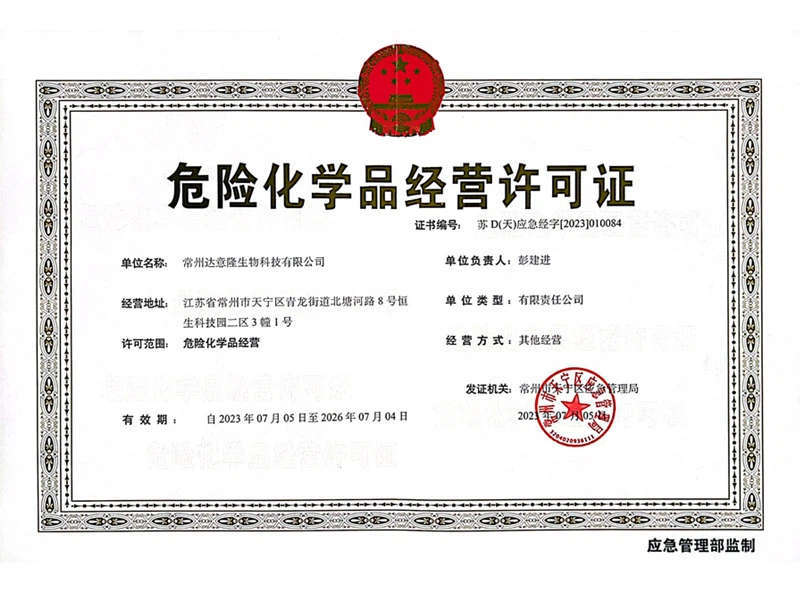
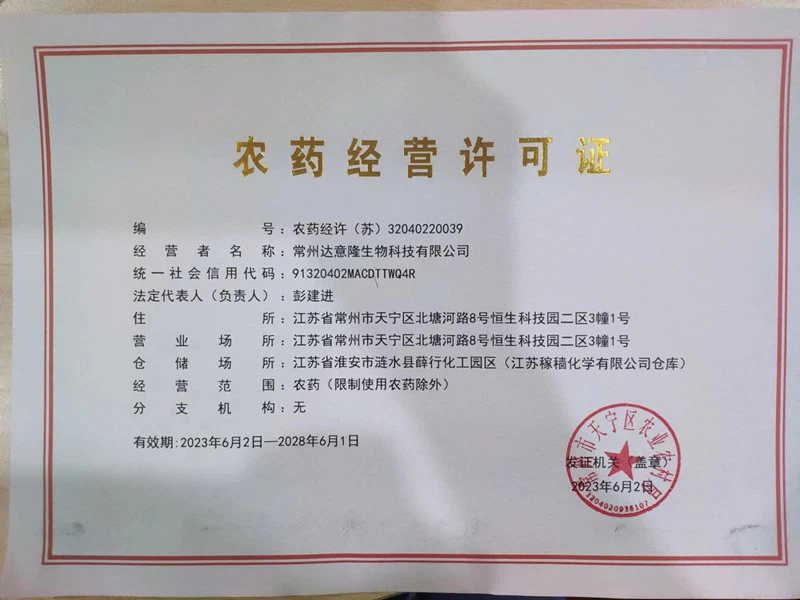
Our company is located in Hengsheng Science and Technology Park, Tianning Economic Development Zone, Changzhou, covering an area of more than 800 square meters. Another processing factory in Huaian Lianshui Industrial Park, covers an area of more than 60 mu.
Our Certificate
FAQ
As one of the most professional insecticide manufacturers and suppliers in China, we're featured by quality products and good price. Please rest assured to buy high-grade insecticide from our factory.
Popular Products


