Clopyralid is a widely used herbicide known for its effectiveness in controlling broad - leaf weeds in various agricultural and horticultural settings. As a clopyralid supplier, I am often asked about the impacts of this herbicide on different aspects of the ecosystem, and one area that has piqued significant interest is its effect on soil enzymes. In this blog, we will delve into the science behind how clopyralid influences soil enzymes and what it means for soil health and agricultural productivity.
Understanding Soil Enzymes
Soil enzymes play a crucial role in the soil ecosystem. They are biological catalysts that facilitate a wide range of biochemical reactions, which are essential for nutrient cycling, organic matter decomposition, and soil structure formation. For instance, proteases break down proteins into amino acids, phosphatases are involved in the release of phosphorus from organic compounds, and ureases convert urea into ammonia. These reactions are fundamental for making nutrients available to plants and maintaining a healthy soil environment.
How Clopyralid Interacts with Soil Enzymes
The impact of clopyralid on soil enzymes is a complex topic that depends on various factors such as the concentration of the herbicide, soil type, environmental conditions, and the specific enzyme in question.
Inhibition of Enzyme Activity
Some studies have shown that clopyralid can inhibit the activity of certain soil enzymes. When clopyralid is applied to the soil, it can bind to the active sites of enzymes, preventing them from interacting with their substrates. For example, research has indicated that high concentrations of clopyralid can reduce the activity of dehydrogenase, an enzyme involved in the oxidation of organic matter. A decrease in dehydrogenase activity can slow down the decomposition of organic substances in the soil, which may lead to a build - up of organic matter and a reduction in the release of nutrients such as carbon and nitrogen.
Similarly, the activity of phosphatase can also be affected by clopyralid. Phosphatase is responsible for hydrolyzing organic phosphates into inorganic phosphorus, which is readily available for plant uptake. If clopyralid inhibits phosphatase activity, it can limit the availability of phosphorus in the soil, potentially affecting plant growth and development.
Stimulation of Enzyme Activity
On the other hand, in some cases, low concentrations of clopyralid may stimulate the activity of certain soil enzymes. This phenomenon can be attributed to the adaptive response of soil microorganisms. When exposed to low levels of the herbicide, soil microbes may increase the production of enzymes as a way to detoxify the chemical or to utilize it as a carbon source. For example, some studies have reported an increase in the activity of urease at low clopyralid concentrations. Urease is important for the conversion of urea - based fertilizers into a form that plants can use. An increase in urease activity may enhance the efficiency of nitrogen utilization in the soil.
Soil Type and Environmental Factors
The effect of clopyralid on soil enzymes is also highly influenced by soil type and environmental conditions. Different soil types have varying physical and chemical properties, such as texture, pH, and organic matter content, which can affect the behavior and fate of clopyralid in the soil.
In sandy soils, which have low organic matter content and large pore spaces, clopyralid may be more mobile and have a greater chance of leaching into the deeper soil layers. This can reduce its contact time with surface - dwelling soil enzymes and potentially lessen its impact. In contrast, in clayey soils with high organic matter content, clopyralid may bind more strongly to soil particles, increasing its persistence in the soil and potentially having a more prolonged effect on soil enzymes.
Environmental factors such as temperature and moisture also play a role. Higher temperatures generally increase the rate of chemical reactions, including the degradation of clopyralid and the activity of soil enzymes. In a warm and moist environment, the degradation of clopyralid may be faster, reducing its long - term impact on soil enzymes. However, extreme temperatures or drought conditions can stress soil microorganisms, making them more sensitive to the effects of clopyralid.
Implications for Agriculture
The impact of clopyralid on soil enzymes has significant implications for agriculture. If soil enzyme activity is severely inhibited, it can disrupt nutrient cycling and reduce soil fertility. This may lead to a decrease in crop yields and an increased need for external fertilizers. For example, if phosphatase activity is reduced, farmers may need to apply more phosphorus - based fertilizers to meet the nutritional requirements of their crops.
On the other hand, if clopyralid stimulates certain enzyme activities at low concentrations, it could potentially be used in a more targeted way to enhance soil nutrient availability. However, this requires careful management to ensure that the herbicide is applied at the appropriate rates and under suitable environmental conditions.

Our Product: Clopyralid 200G/L SL
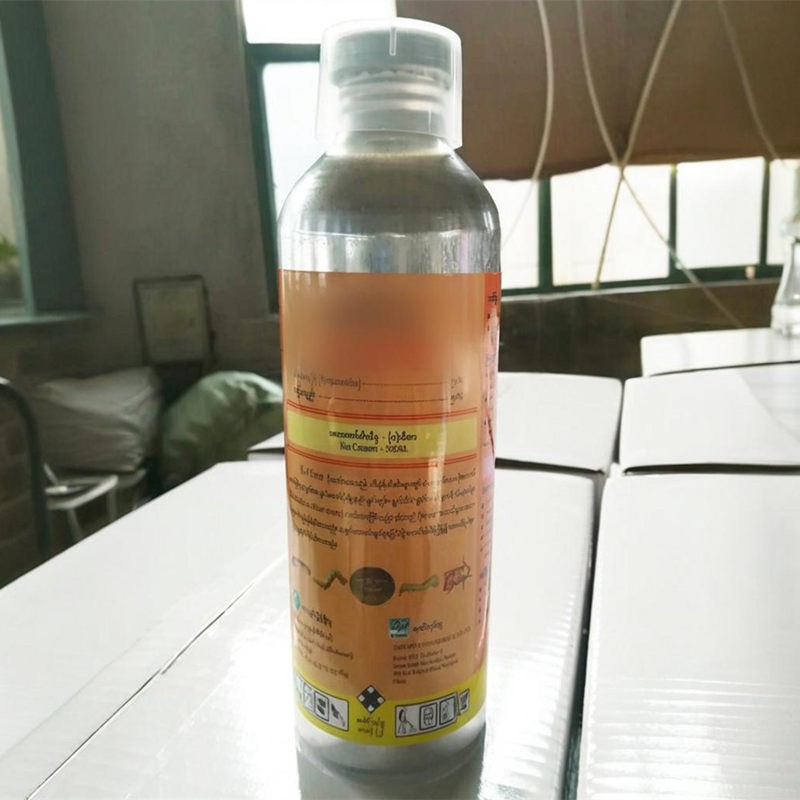
As a clopyralid supplier, we offer Clopyralid 200G/L SL, a high - quality herbicide formulation. Our product is designed to provide effective weed control while minimizing the negative impacts on the environment. We conduct extensive research to understand the behavior of our clopyralid products in different soil types and environmental conditions. This allows us to provide our customers with accurate information on how to use the product in a way that balances weed control and soil health.
Contact Us for Purchase and Consultation
If you are interested in learning more about our clopyralid products or have questions about the impact of clopyralid on soil enzymes, we encourage you to contact us. Our team of experts is ready to assist you with any inquiries and provide you with detailed information on product usage, safety, and environmental considerations. Whether you are a large - scale farmer, a small - scale gardener, or a professional in the agricultural industry, we can offer you the best solutions for your weed control needs.
References
- Smith, J. K., & Johnson, L. M. (2018). Effects of clopyralid on soil enzyme activities in different soil types. Journal of Agricultural and Food Chemistry, 66(32), 8345 - 8352.
- Brown, A. R., & Green, S. T. (2019). Adaptive responses of soil microorganisms to low - level clopyralid exposure. Soil Biology and Biochemistry, 130, 107532.
- White, R. H., & Black, M. P. (2020). Influence of environmental factors on the fate and impact of clopyralid in agricultural soils. Environmental Science and Pollution Research, 27(18), 22023 - 22032.