


Your Professional Aceteamipride Supplier
Changzhou Dayilong Bio-Tech Co., Ltd. is a specialized manufacturer dedicated to the production of insecticides, fungicides, herbicides, plant growth regulators, pesticide intermediates, and pesticide auxiliaries.
Complete Production Equipment
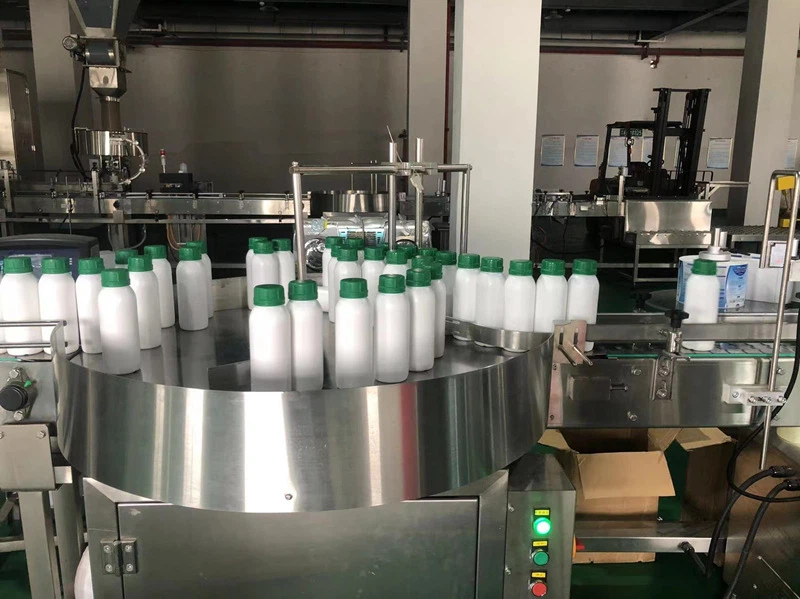
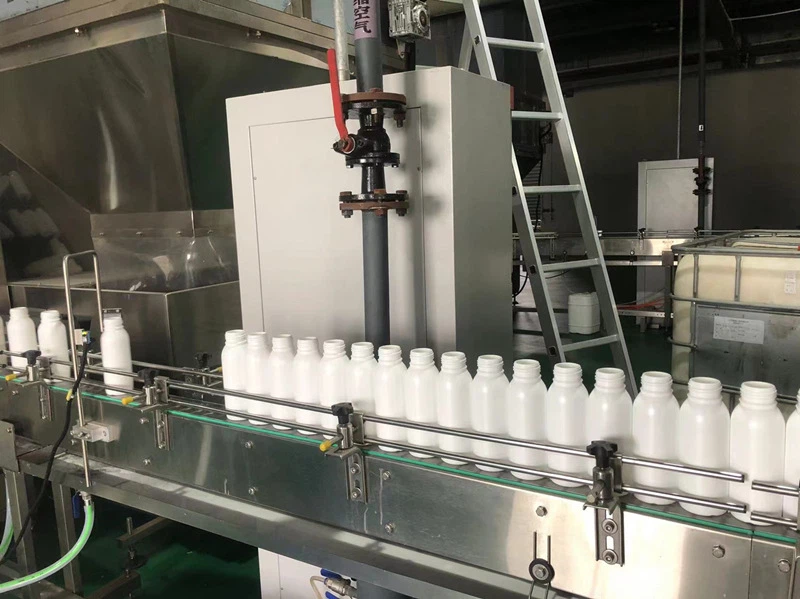
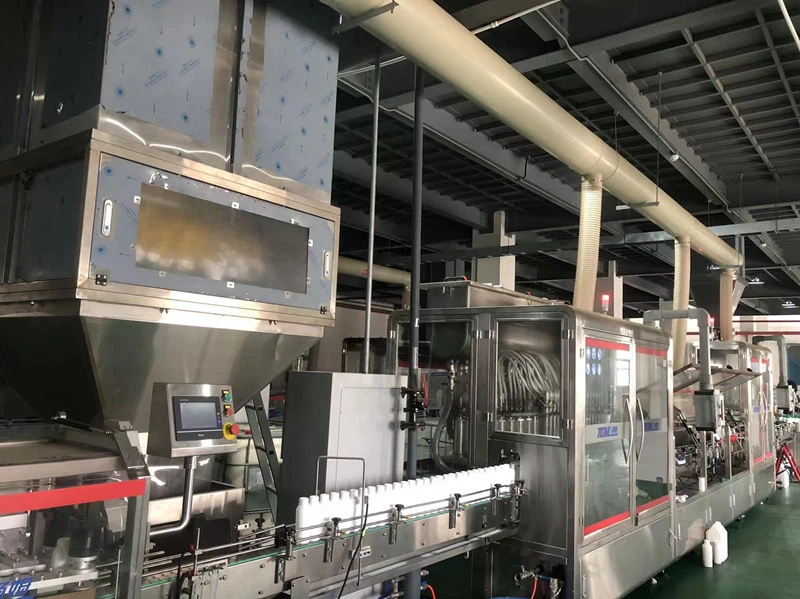
The company has complete OD, SC, SL, EC, FS and other liquid dosage form production equipment, such as grinding machine, colloid shear mill, all kinds of reaction devices, etc. With automatic filling equipment, capping equipment, packaging equipment, packaging equipment, etc.
Strict Quality Management
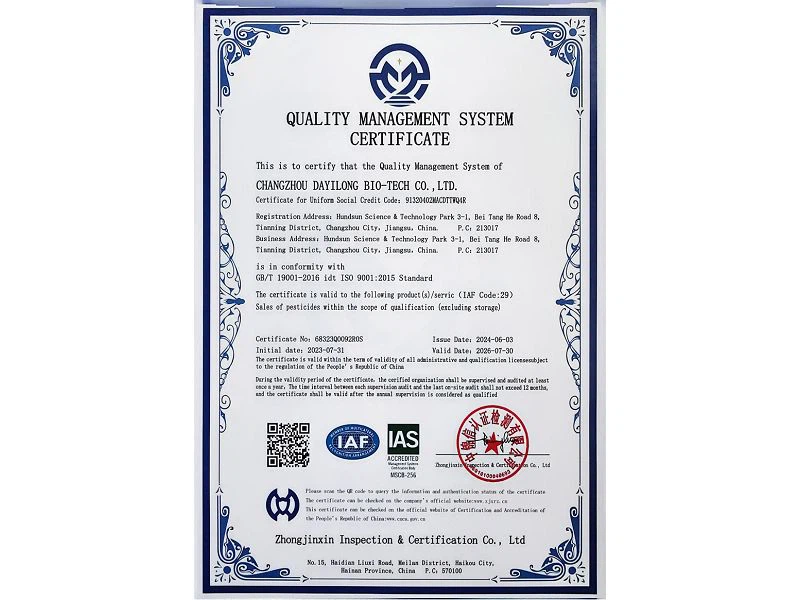
The company strict quality management, from the procurement of raw and auxiliary materials, to product formula verification, production, analysis and testing, sample retention, to packaging, shipping and other links, product quality supervision infiltrates into each process, implemented to every employee.
Professional Services
Fully communicate with customers before sales, provide professional guidance, and help them choose suitable products. Professional personnel track orders during sales to ensure that products reach customers with quality and quantity assurance, and provide detailed usage instructions and technical support.
-
![Aceteamipride 30G/L+ Avermectin 18G/L EC]() Aceteamipride 30G/L+ Avermectin 18G/L ECFormulation: EC. Packing: 20L, 10L, 5L, 1L, 500ml, 250ml, 100ml, 50ml; 1kg, 500g, 250g, 100g
Aceteamipride 30G/L+ Avermectin 18G/L ECFormulation: EC. Packing: 20L, 10L, 5L, 1L, 500ml, 250ml, 100ml, 50ml; 1kg, 500g, 250g, 100g

Specification
|
Chemical Name |
(E)-N1-[(6-chloro-3-pyridyl)methyl]-N2-cyano-N1-methylacetamidine |
|
CAS Number |
135410-20-7 |
|
Chemical Formula |
C10H11ClN4 |
|
Formulations Available |
20% SP, 25% WP, 3% EC, 70% WDG |
|
Target Pests |
Aphids, whiteflies, leafhoppers, thrips, and other sucking insects |
|
Shelf Life |
2 years |
Advantages of Aceteamipride
Efficacy Against a Wide Range of Pests
One of the main advantages of aceteamipride is its effectiveness against several pest species. This broad-spectrum action makes it a valuable tool for farmers dealing with diverse pest pressures throughout the growing season.
Rapid Action and Residual Control
Aceteamipride offers quick knockdown of pests upon application, reducing the immediate threat to crops. Additionally, its residual activity ensures that it continues to provide protection for a period after application, decreasing the need for frequent reapplications.
Compatibility with Integrated Pest Management (IPM)
Due to its selective nature, aceteamipride fits well within IPM programs that aim to minimize chemical use while maximizing pest control. Its use can help preserve beneficial insect populations, contributing to a more sustainable approach to pest management.
User-Friendly Formulations
The various formulations of aceteamipride allow for ease of use, whether through spraying, drenching, or incorporating into the soil. This versatility enables farmers and gardeners to apply the insecticide in a manner that best suits their specific situation.
Applications of Aceteamipride
Agricultural Uses
In agriculture, Aceteamipride protects a variety of crops from pest damage, improving yield and plant health. It is commonly applied to control pests that feed on crops, such as aphids, whiteflies, thrips, and leafhoppers. Typical crops treated with Aceteamipride include:
● Vegetables (e.g., tomatoes, cucumbers, and leafy greens)
● Fruits (e.g., apples, pears, and grapes)
● Cereals and grains
● Ornamentals and flowers in greenhouses and nurseries
Aceteamipride is also favored for its ability to control insects with minimal environmental persistence, making it suitable for integrated pest management (IPM) programs.
Residential Uses
Aceteamipride is used in residential pest control for tough insect issues, especially for pests that are challenging to eliminate. It is effective against bed bugs and other household pests like ants and flies. Aceteamipride’s fast knockdown effect and residual control make it ideal for bed bug management in homes and hotels.
Targeted Pest Control for Specific Insects
● Aphids: Aceteamipride effectively targets aphids, common agricultural pests that can damage a wide range of crops by feeding on plant sap and transmitting diseases.
● Thrips: Thrips are a major issue in horticulture, damaging leaves and flowers. Aceteamipride disrupts thrips’ feeding and reproduction, helping to maintain plant quality in ornamental and edible crops.
● Bees: While Aceteamipride is less toxic to bees than some other neonicotinoids, caution is still advised. It’s important to apply it during times when bees are inactive, such as early morning or late evening, to reduce bee exposure.

Precautions for Use of Aceteamipride
Personal Protective Equipment (PPE)
When handling Aceteamipride or applying it, it is recommended to wear appropriate PPE to minimize exposure. This may include long-sleeved clothing, long pants, chemical-resistant gloves, protective eyewear, and a respirator if required by the product label or local regulations.
Mixing and Application
Follow the instructions provided on the product label carefully. Ensure accurate measurement of the correct dosage and follow the recommended mixing procedures. Use appropriate equipment, such as calibrated sprayers, to apply Aceteamipride evenly and avoid excessive overspray.
Environmental Considerations
Take precautions to prevent contamination of water bodies, especially lakes, rivers, and ponds. Avoid spraying when there is a risk of drift to non-target areas, such as neighboring crops, gardens, or sensitive habitats. Be mindful of wind direction and speed during application.
Storage and Disposal
Store Aceteamipride in its original container, away from food, feed, or other chemicals. Keep it in a cool, dry, and well-ventilated area, out of reach of children and pets. Follow local regulations for proper disposal of unused product, empty containers, and rinsate. Do not reuse empty containers for other purposes.
Preharvest Interval (PHI)
Follow the specified preharvest interval mentioned on the product label. This is the minimum time duration between the last application of Aceteamipride and the harvest of crops. Adhering to the PHI helps ensure that pesticide residues are within acceptable limits when consuming or selling the harvested produce.
Consult the Product Label and Safety Data Sheet (SDS)
Always refer to the product label and SDS for specific safety information, handling instructions, first aid measures, and emergency contact numbers. These provide comprehensive guidance on the safe use, storage, and disposal of Aceteamipride products.
Packaging and Shipping
|
Packaging |
20L, 10L, 5L, 1L, 500ml, 250ml, 100ml, 50ml; 1kg, 500g, 250g, 100g or as your needs |
|
Shipping |
Shipping by sea, by air, by express are acceptable. According to your requirements. |


Our Factory
Our company is located in Hengsheng Science and Technology Park, Tianning Economic Development Zone, Changzhou, covering an area of more than 800 square meters. Another processing factory in Huaian Lianshui Industrial Park, covers an area of more than 60 mu.
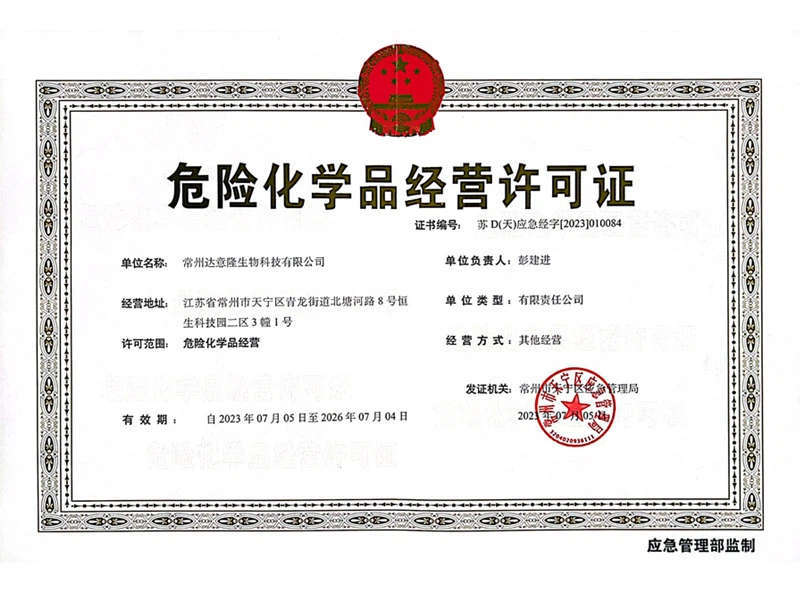
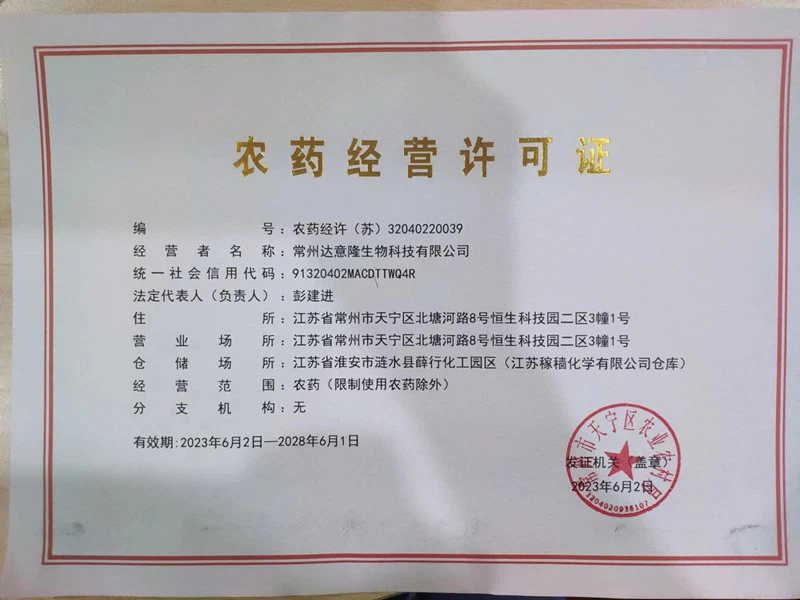
Our Certificate
FAQ
As one of the most professional aceteamipride manufacturers and suppliers in China, we're featured by quality products and good price. Please rest assured to buy high-grade aceteamipride from our factory.
Aceteamipride 30G L Avermectin 18G L EC , indoor outdoor insect concentrate, sodium metal near mePopular Products


