


Your Professional Herbicides Supplier
Changzhou Dayilong Bio-Tech Co., Ltd. is a specialized manufacturer dedicated to the production of insecticides, fungicides, herbicides, plant growth regulators, pesticide intermediates, and pesticide auxiliaries.
Complete Production Equipment
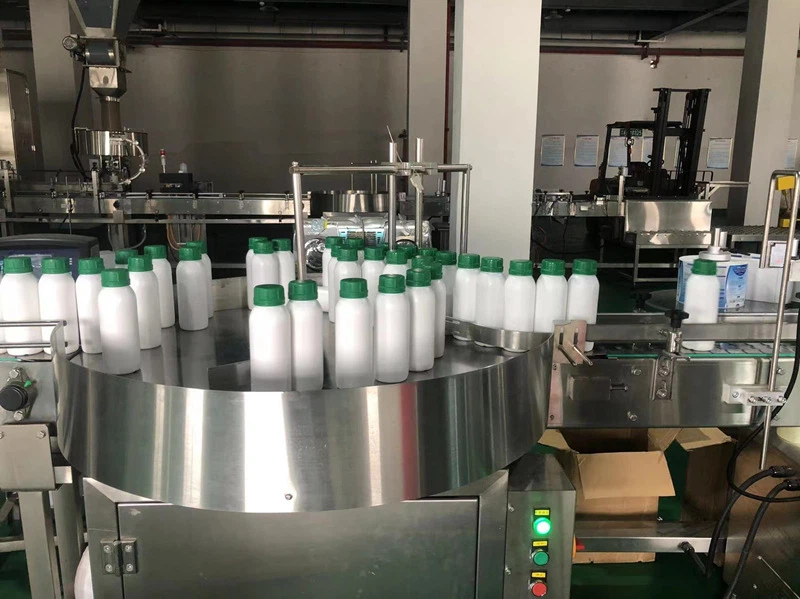
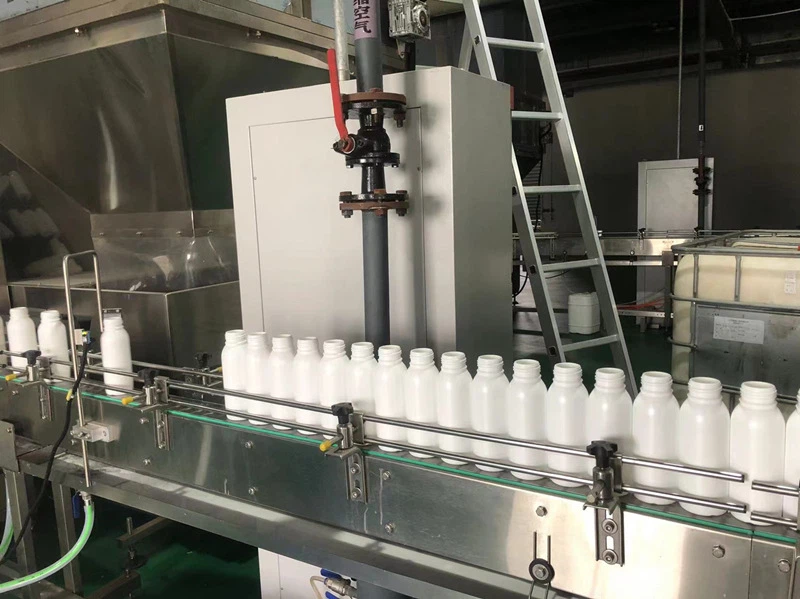
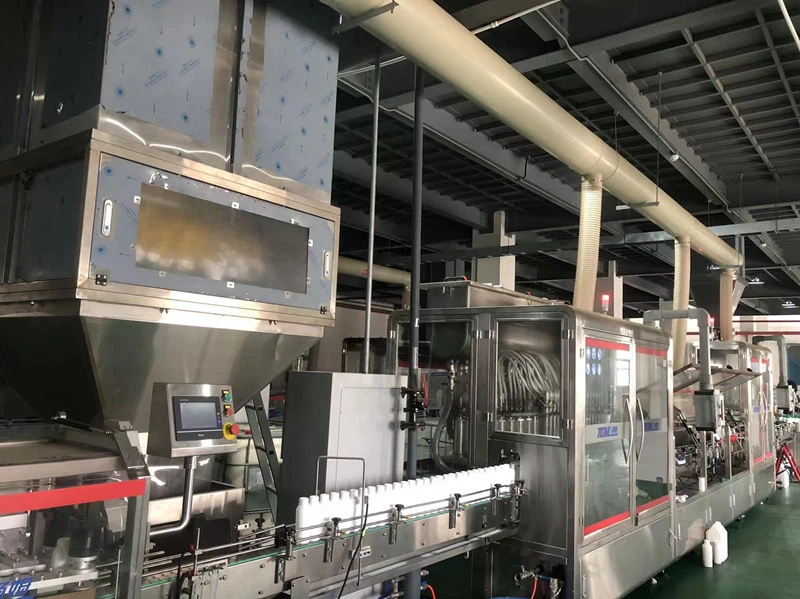
The company has complete OD, SC, SL, EC, FS and other liquid dosage form production equipment, such as grinding machine, colloid shear mill, all kinds of reaction devices, etc. With automatic filling equipment, capping equipment, packaging equipment, packaging equipment, etc.
Strict Quality Management
The company strict quality management, from the procurement of raw and auxiliary materials, to product formula verification, production, analysis and testing, sample retention, to packaging, shipping and other links, product quality supervision infiltrates into each process, implemented to every employee.
Professional Services
Fully communicate with customers before sales, provide professional guidance, and help them choose suitable products. Professional personnel track orders during sales to ensure that products reach customers with quality and quantity assurance, and provide detailed usage instructions and technical support.
-
![Flumioxazin 480G/L SC]() Flumioxazin 480G/L SCFormulation: SC. Packing: 20L, 10L, 5L, 1L, 500ml, 250ml, 100ml, 50ml; 1kg, 500g, 250g, 100g
Flumioxazin 480G/L SCFormulation: SC. Packing: 20L, 10L, 5L, 1L, 500ml, 250ml, 100ml, 50ml; 1kg, 500g, 250g, 100g -
![Lactofen 240G/L EC]() Lactofen 240G/L ECFormulation: EC. Packing: 20L, 10L, 5L, 1L, 500ml, 250ml, 100ml, 50ml; 1kg, 500g, 250g, 100g
Lactofen 240G/L ECFormulation: EC. Packing: 20L, 10L, 5L, 1L, 500ml, 250ml, 100ml, 50ml; 1kg, 500g, 250g, 100g -
![Clopyralid 200G/L SL]() Clopyralid 200G/L SLFormulation: SL. Packing: 20L, 10L, 5L, 1L, 500ml, 250ml, 100ml, 50ml; 1kg, 500g, 250g, 100g
Clopyralid 200G/L SLFormulation: SL. Packing: 20L, 10L, 5L, 1L, 500ml, 250ml, 100ml, 50ml; 1kg, 500g, 250g, 100g -
![Cyhalofop-butyl 50G/L + Penoxsulam 10G/L OD]() Cyhalofop-butyl 50G/L + Penoxsulam 10G/L ODFormulation: OD. Packing: 20L, 10L, 5L, 1L, 500ml, 250ml, 100ml, 50ml; 1kg, 500g, 250g, 100g
Cyhalofop-butyl 50G/L + Penoxsulam 10G/L ODFormulation: OD. Packing: 20L, 10L, 5L, 1L, 500ml, 250ml, 100ml, 50ml; 1kg, 500g, 250g, 100g -
![Pinoxaden 100G/L + Cloquintocet-mexyl 25G/L EC]() Pinoxaden 100G/L + Cloquintocet-mexyl 25G/L ECFormulation: EC. Packing: 20L, 10L, 5L, 1L, 500ml, 250ml, 100ml, 50ml; 1kg, 500g, 250g, 100g
Pinoxaden 100G/L + Cloquintocet-mexyl 25G/L ECFormulation: EC. Packing: 20L, 10L, 5L, 1L, 500ml, 250ml, 100ml, 50ml; 1kg, 500g, 250g, 100g -
![Fluroxypyr 140G/L + Aminopyralid 10G/L EC]() Fluroxypyr 140G/L + Aminopyralid 10G/L ECFormulation: EC. Packing: 20L, 10L, 5L, 1L, 500ml, 250ml, 100ml, 50ml; 1kg, 500g, 250g, 100g
Fluroxypyr 140G/L + Aminopyralid 10G/L ECFormulation: EC. Packing: 20L, 10L, 5L, 1L, 500ml, 250ml, 100ml, 50ml; 1kg, 500g, 250g, 100g -
![Bentazone 480G/L SL]() Bentazone 480G/L SLFormulation: SL. Packing: 20L, 10L, 5L, 1L, 500ml, 250ml, 100ml, 50ml; 1kg, 500g, 250g, 100g
Bentazone 480G/L SLFormulation: SL. Packing: 20L, 10L, 5L, 1L, 500ml, 250ml, 100ml, 50ml; 1kg, 500g, 250g, 100g -
![Mesotrione 70G/L + Nicosulfuron 40G/L OD]() Mesotrione 70G/L + Nicosulfuron 40G/L ODFormulation: OD. Packing: 20L, 10L, 5L, 1L, 500ml, 250ml, 100ml, 50ml; 1kg, 500g, 250g, 100g
Mesotrione 70G/L + Nicosulfuron 40G/L ODFormulation: OD. Packing: 20L, 10L, 5L, 1L, 500ml, 250ml, 100ml, 50ml; 1kg, 500g, 250g, 100g -
![Oxyfluorfen 240G/L EC]() Oxyfluorfen 240G/L ECFormulation: EC. Packing: 20L, 10L, 5L, 1L, 500ml, 250ml, 100ml, 50ml; 1kg, 500g, 250g, 100g
Oxyfluorfen 240G/L ECFormulation: EC. Packing: 20L, 10L, 5L, 1L, 500ml, 250ml, 100ml, 50ml; 1kg, 500g, 250g, 100g -
![Quinclorac 250G/L SC]() Quinclorac 250G/L SCFormulation: SC. Packing: 20L, 10L, 5L, 1L, 500ml, 250ml, 100ml, 50ml; 1kg, 500g, 250g, 100g
Quinclorac 250G/L SCFormulation: SC. Packing: 20L, 10L, 5L, 1L, 500ml, 250ml, 100ml, 50ml; 1kg, 500g, 250g, 100g -
![MCPA 650G/L SL]() MCPA 650G/L SLFormulation: SL. Packing: 20L, 10L, 5L, 1L, 500ml, 250ml, 100ml, 50ml; 1kg, 500g, 250g, 100g
MCPA 650G/L SLFormulation: SL. Packing: 20L, 10L, 5L, 1L, 500ml, 250ml, 100ml, 50ml; 1kg, 500g, 250g, 100g -
![Bispyribac-sodium 400G/L SC]() Bispyribac-sodium 400G/L SCFormulation: SC. Packing: 20L, 10L, 5L, 1L, 500ml, 250ml, 100ml, 50ml; 1kg, 500g, 250g, 100g
Bispyribac-sodium 400G/L SCFormulation: SC. Packing: 20L, 10L, 5L, 1L, 500ml, 250ml, 100ml, 50ml; 1kg, 500g, 250g, 100g


Specification
|
Bispyribac -sodium |
95%TC, 100g/L.SC,40%SC |
|
Propanil |
97%TC, 360g/L,EC |
|
Aquacide |
40%TK, 200g/l SL |
|
Glufosinate-ammonium |
95%TC, 20%SL |
|
Imazamox |
98%TC, 4%EW |
|
Imazethapyr |
95%TC,25%SL |
|
Cyhalofop-butyl |
97%TC,100g/L.EC,200g/L,EC |
|
Clodinafop-propargyl |
95%TC,8%EC,15%WP,24%EC |
|
Dicamba |
98%TC,480g/L SL |
|
Prometryn |
95%TC,25%WP 50%WP 50%SC |
|
Atrazine |
97%TC, 50%SC 80%WP 50%WP |
|
Quizalofop-p-ethyl |
95%TC, 5%EC,12.5%EC.20%EC |
|
Nicosulfuron |
95%TC, 40g/L.SC,80%WDG |
|
Metsulfuron-methyl |
95%TC, 60%WDG |
|
Tribenuron-methyl |
95%TC, 75%WDG |
|
Acetochlor |
95%TC, 50%EC,900g/L.EC |
|
Haloxyfop-R-methyl |
95%TC, 108g/l EC |
|
Metribuzin |
97%TC, 70%WDG |
|
Clethodim |
90%TC, 240g/l EC |
|
Pendimethalin |
95%TC, 330g/L EC |
|
Trifluralin |
96%TC, 480g/L EC |
|
Bentazone |
97%TC, 480g/l SL |
|
Metolachlor |
96%TC, 960g/L,EC |
Types of Herbicides
The herbicides produced by our company mainly include the following types:
Flumioxazin
Flumioxazin is a herbicide, meaning it's a chemical used to control unwanted plants. It works by inhibiting a plant enzyme called protoporphyrinogen oxidase, which is crucial for chlorophyll production. This disruption leads to the rapid decomposition of treated plants.
Lactofen
Lactofen is a herbicide primarily used for controlling broadleaf weeds in crops like soybeans, cotton, and peanuts. It's a selective herbicide, meaning it targets certain plants while leaving others relatively unharmed.
Clopyralid
Clopyralid is a selective herbicide primarily used to control broadleaf weeds, particularly thistles and clover, in various agricultural and non-agricultural settings. It works by mimicking a plant hormone called auxin, disrupting the plant's growth and ultimately leading to its death.
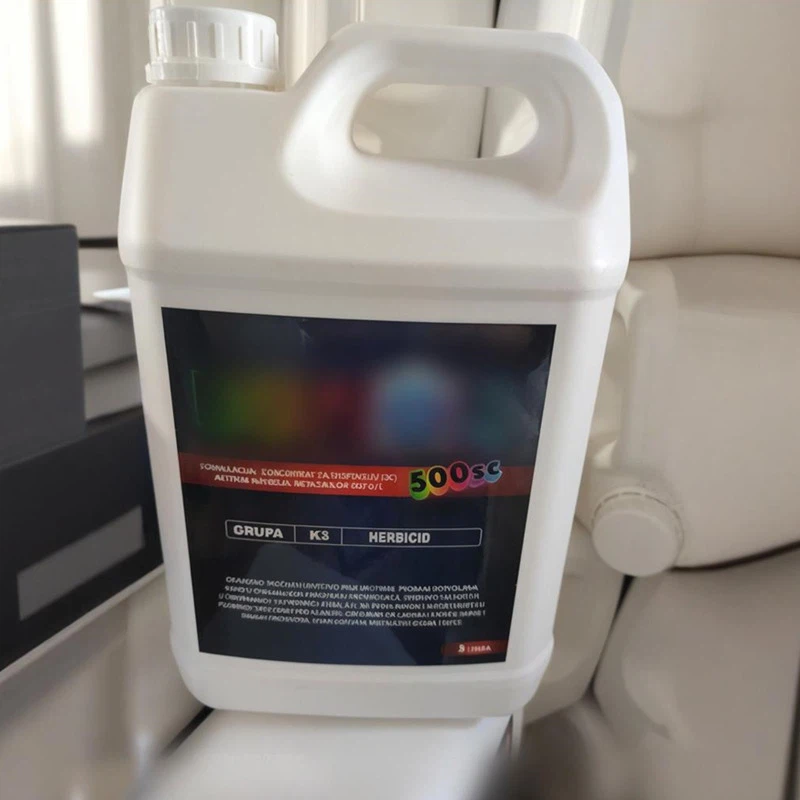
Advantages of Herbicides
Herbicides can be applied before the weeds grow
Unlike other methods of weed control, it is possible to apply herbicides in the pre-plant and pre-emergence stages. This lets the crops grow in a weed-free environment without competing for nutrients even in the early stages of development.
Herbicides can be effectively used in different crop arrangements
While mechanical forms of weed control can be effective in some cases, when it comes to broadcast sown and narrow-spaced crops, they cannot reach all the weeds present in the field which herbicides can easily do. Herbicides can also effectively reach intra-row weeds.
Herbicides can get rid of deep-rooted weeds
Weeds that have roots deep into the soil cannot always be effectively removed with mechanical methods as while the top part may be removed, the weeds can grow back from the roots. For these, a combination of mechanical and chemical herbicides might be necessary for effective weed control.
Herbicides prevent weeds from growing for a long time
When herbicides are applied, they tend to be effective for long periods of time and prevent the weeds from growing back soon.
Herbicides can get rid of structurally similar weeds
Weeds that appear similar to the crops can be missed out when they are removed through mechanical methods as it is hard to distinguish between the two. However, herbicides can be applied to kill these weeds that may look the same but be biologically different without causing any damage to the crops.
Applications of Herbicides
Agriculture
Protects crops from nutrition stealing weeds and improves yield for farmers nationwide.
Landscaping
Keep lawns, gardens, and pathways pristine free from weeds for homeowners and professionals.
Forestry
Ward off competing vegetation to help young trees thrive
Industrial Areas
Maintain safety and accessibility along roadsides, railways, and utility lines.
Safety Precautions for Using Herbicides
Read the label.
Since herbicides contain strong chemicals, the Environmental Protection Agency and state agriculture departments regulate the use and production of herbicides, especially in large-scale farming practices. Always read the label first for special instructions for your specific herbicide.
Know the toxicity signal word.
Herbicides will usually have one of three different signal words on their labels to help the user understand their toxicity level. Toxicity is based on how harmful and severe symptoms can become if you are exposed to herbicide chemicals. Caution- slightly toxic, Warning- moderately toxic, and Danger- highly toxic.
Understanding the mode of action and application.
Understanding how your herbicide kills and how it is applied will help to prevent mishaps. Most herbicides come in liquid, power/granules, or gel forms. Herbicides are applied by either spot or broadcast application. If using broadcast application (spreading over a large area) be sure to apply the herbicide in a uniform and consistent manner to avoid chemical buildup.
Apply the proper amount.
Overuse of herbicides increase toxicity risks for you and your family and creates unnecessary waste. There are also studies that overuse of one herbicide can lead to weeds that become resistant. Always follow the application instructions and properly dilute any liquid herbicide before application.
Check the weather before application.
The best weather for herbicide application is a mild, sunny day with temperatures around 65 degrees and little-to-no wind. While the ideal day may not be possible when you need to apply herbicide, the best days are no-wind days to avoid spray drift that could go into areas you don’t want. This is the same with water runoff on a rainy day.
Wear protective equipment.
Protect yourself from chemicals by wearing long pants and shirts, gloves, goggles, and masks while applying herbicide. This will decrease your chance of herbicide exposure. Be sure to wash your clothing, hands, and face well after application to avoid transferring any chemicals.
Look for signs of herbicide exposure.
Never ingest or have prolonged exposure to herbicide chemicals. Symptoms can include skin, eye, or respiratory irritation. Contact your doctor if you are concerned or poison control for emergencies.
Keep away from children and pets.
Keep herbicide chemicals away from children and pets to avoid exposure. Read the product’s instruction label to determine how long to keep pets and children off grass after application. A good rule of thumb is to wait at least until the product dries or 24 hours after, so plan for those puppy potty breaks.
Never mix different chemicals.
It is best to never mix chemicals as this could increase toxicity. However, if you have varying needs in your yard, consult a garden or lawn professional to determine which ones can be used together.
Store and dispose of properly.
Store herbicides in their original packaging with their proper labels. If you have young kids, store chemicals in a locked container. Keep all herbicides out of extreme hot, cold, and damp weather as that can cause them to lose their effectiveness. If you can’t use all of an herbicide, contact your local waste management for proper disposal in your area.
Packaging and Shipping
|
Packaging |
20L, 10L, 5L, 1L, 500ml, 250ml, 100ml, 50ml; 1kg, 500g, 250g, 100g or as your needs |
|
Shipping |
Shipping by sea, by air, by express are acceptable. According to your requirements. |


Our Factory
Our company is located in Hengsheng Science and Technology Park, Tianning Economic Development Zone, Changzhou, covering an area of more than 800 square meters. Another processing factory in Huaian Lianshui Industrial Park, covers an area of more than 60 mu.
Our Certificate
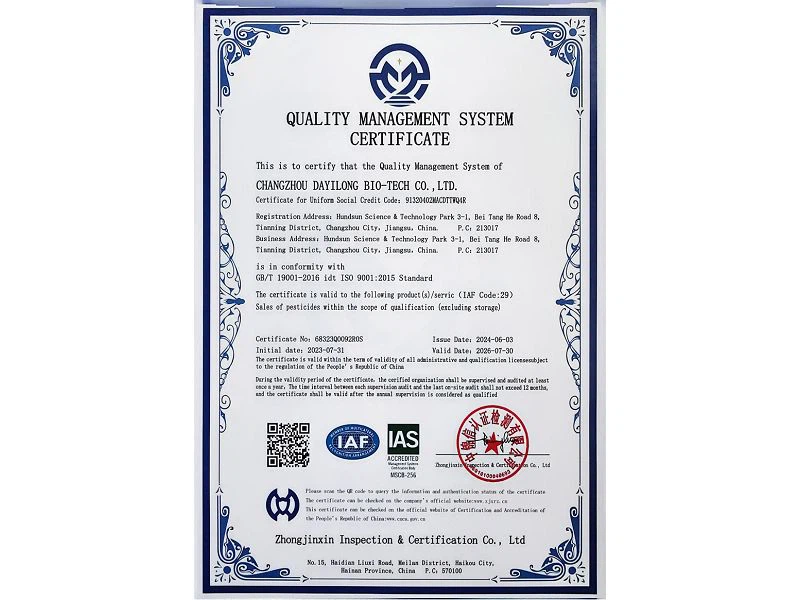
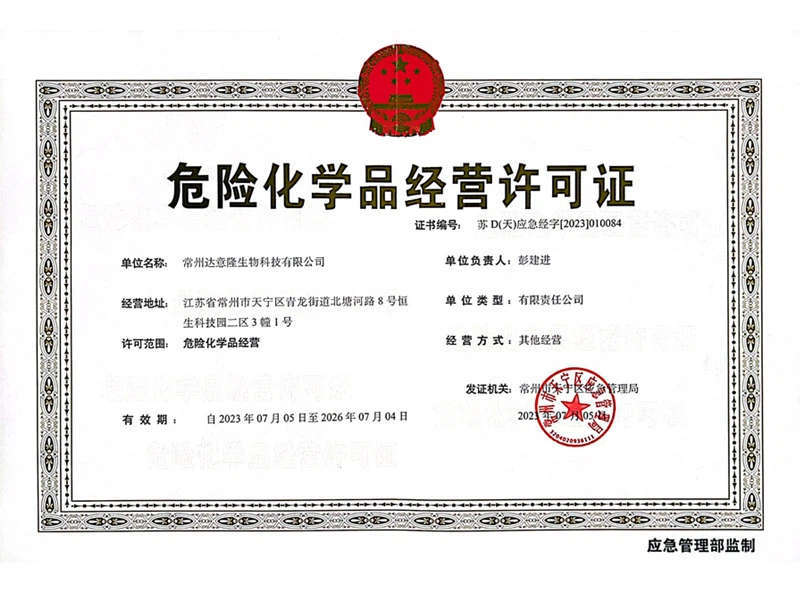
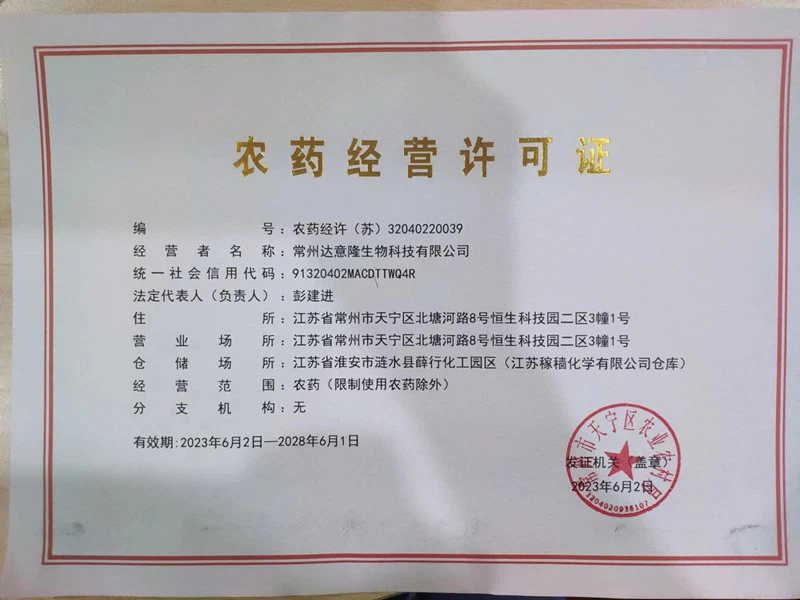
FAQ
As one of the most professional herbicides manufacturers and suppliers in China, we're featured by quality products and good price. Please rest assured to buy high-grade herbicides from our factory.
Popular Products


