

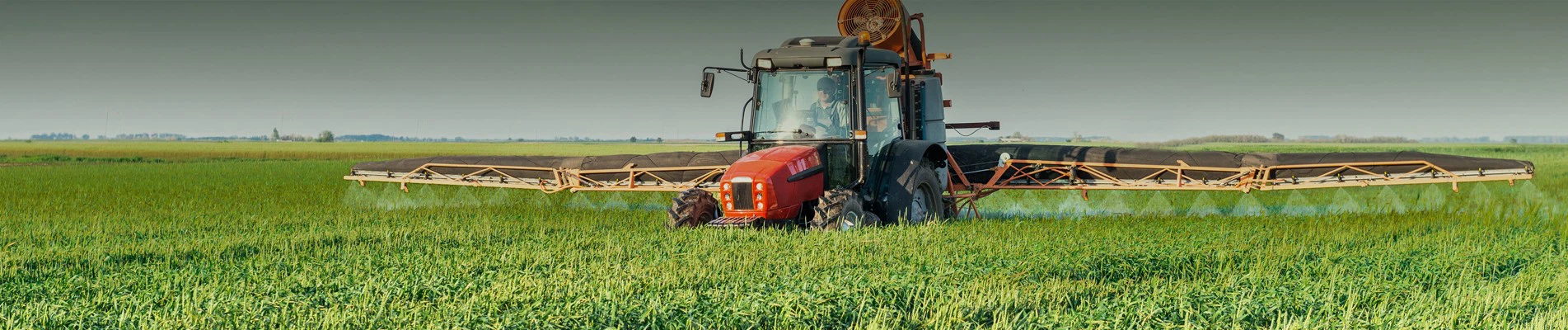
Your Professional MCPA Supplier
Changzhou Dayilong Bio-Tech Co., Ltd. is a specialized manufacturer dedicated to the production of insecticides, fungicides, herbicides, plant growth regulators, pesticide intermediates, and pesticide auxiliaries.
Complete Production Equipment
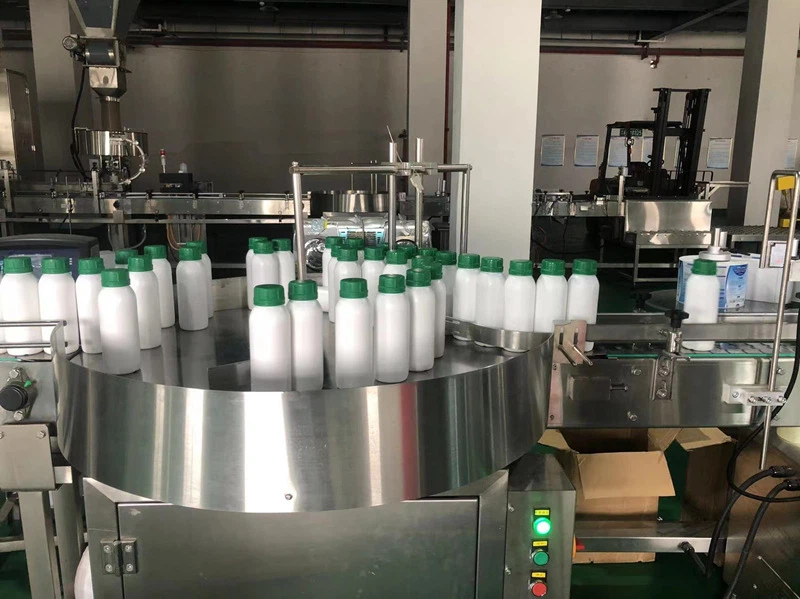
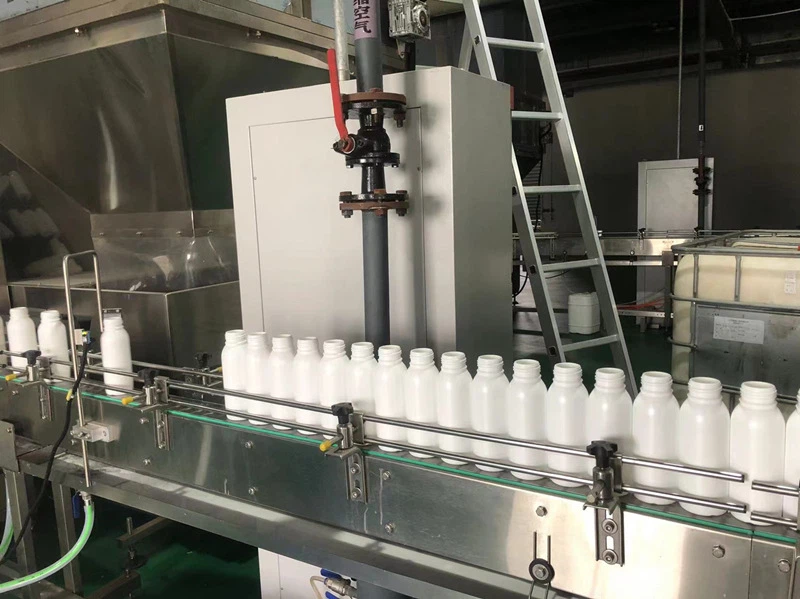
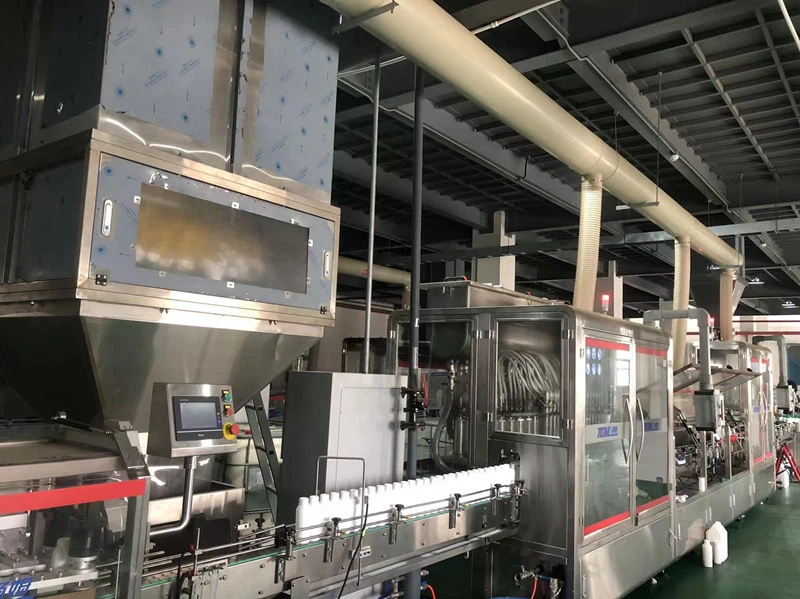
The company has complete OD, SC, SL, EC, FS and other liquid dosage form production equipment, such as grinding machine, colloid shear mill, all kinds of reaction devices, etc. With automatic filling equipment, capping equipment, packaging equipment, packaging equipment, etc.
Strict Quality Management
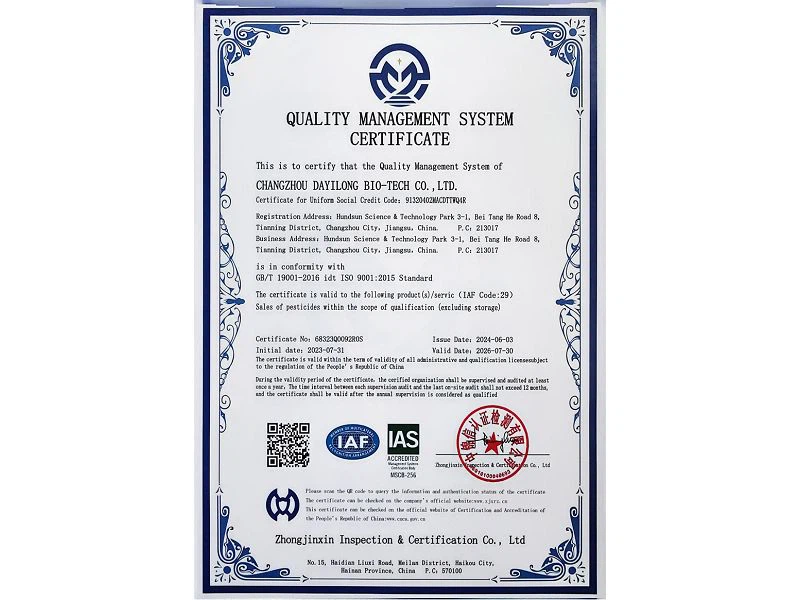
The company strict quality management, from the procurement of raw and auxiliary materials, to product formula verification, production, analysis and testing, sample retention, to packaging, shipping and other links, product quality supervision infiltrates into each process, implemented to every employee.
Professional Services
Fully communicate with customers before sales, provide professional guidance, and help them choose suitable products. Professional personnel track orders during sales to ensure that products reach customers with quality and quantity assurance, and provide detailed usage instructions and technical support.
-
![MCPA 650G/L SL]() MCPA 650G/L SLFormulation: SL. Packing: 20L, 10L, 5L, 1L, 500ml, 250ml, 100ml, 50ml; 1kg, 500g, 250g, 100g
MCPA 650G/L SLFormulation: SL. Packing: 20L, 10L, 5L, 1L, 500ml, 250ml, 100ml, 50ml; 1kg, 500g, 250g, 100g

Specification
|
Chemical name |
(4-chloro-2-methylphenoxy)acetic acid |
|
Classification |
Herbicide / Agrochemical |
|
Biochemistry |
Synthetic auxin (acting like indolylacetic acid). |
|
Mode of action |
Selective, systemic, hormone-type herbicide, absorbed by the leaves and roots, with translocation. Concentrates in the meristematic regions, where it inhibits growth. |
Advantages of MCPA
Increased Crop
Yields One of the primary advantages of MCPA is its ability to enhance crop productivity. By controlling weed populations, farmers can significantly increase their yields. Weeds compete for nutrients, water, and sunlight, which can stifle crop growth. Effective weed management through MCPA application can lead to healthier, more robust crops and improved economic returns for farmers.
Cost-Effective Solution
Compared to manual weeding or other forms of weed control, the application of MCPA is often more cost-effective. The time and labor savings allow farmers to allocate resources to other important aspects of farm management, such as soil health and pest control.
Environmental Considerations
When used correctly, MCPA can also contribute positively to environmental stewardship. By reducing the reliance on mechanical weeding, which can lead to soil erosion and disturbance, MCPA helps maintain soil structure and health.
● Common mouse ear
● Daisy
● Broad-leaved plantain
● Creeping buttercup
● Common Dandelion
● White clover
● Sea plantain
● Ribwort plantain
● Yellow suckling clover
● Knotgrass
● Hawkbit
● Yarrow

Precautions for Use of MCPA
● Do ensure you use a trained professional user to apply the chemical.
● Do observe the buffer zone. Keep spray at least 5 metres away from water courses
● Do take every precaution during mixing and preparation to avoid spills and drips.
● Do read the label carefully, paying particular attention to the maximum rate (NU 46 is 2.7 L/Ha) and also the buffer zone ( 5 Metres for NU 46)
● Do clean and wash down your sprayer at the end of the day preferably in the field well away from any water courses.
● Do consider using glyphosate in a weed wiper in water sensitive areas or within the 5 metre buffer zone. Bearing in mind all pesticides have a minimum 1 metre buffer zone. (also bear in mind MCPA is not approved for use through a weed wiper).
● Make sure that you and the professional user who is applying the product are aware of any adjacent water bodies.
● Do apply on a calm day to avoid drift (the use of low drift nozzles may also help reduce drift).
● Triple rinse and drain the pesticide containers. Dispose of them appropriately.
● Do not exceed the maximum dose (2.7 L/ha for Nu 46 and 4.0 L/ha for Lupo)
● Do not use if rain is forecast within 48 hours.
● Do not use if ground is water logged
● Do not fill your sprayer from a water body (this is illegal)
● Do not perform handling operations (filling, mixing or washing the sprayer) near water bodies.
● Do not spray during windy conditions.
Storage Considerations for MCPA
● Store in a cool, dry, well-ventilated area away from direct sunlight and incompatible chemicals.
● Keep product in its original container, tightly closed when not in use.
● Do not reuse empty containers. Rinse thoroughly and dispose of in accordance with local hazardous waste regulations.
Packaging and Shipping
|
Packaging |
20L, 10L, 5L, 1L, 500ml, 250ml, 100ml, 50ml; 1kg, 500g, 250g, 100g or as your needs |
|
Shipping |
Shipping by sea, by air, by express are acceptable. According to your requirements. |


Our Factory
Our company is located in Hengsheng Science and Technology Park, Tianning Economic Development Zone, Changzhou, covering an area of more than 800 square meters. Another processing factory in Huaian Lianshui Industrial Park, covers an area of more than 60 mu.
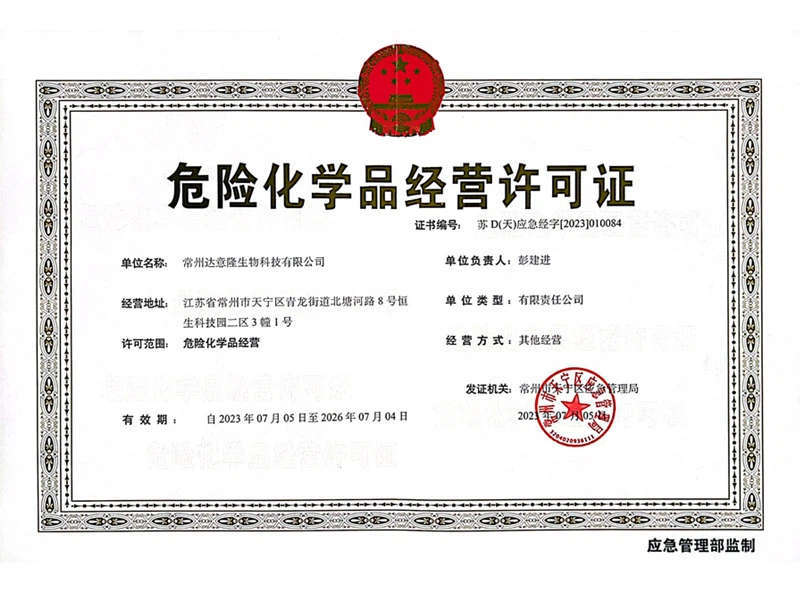
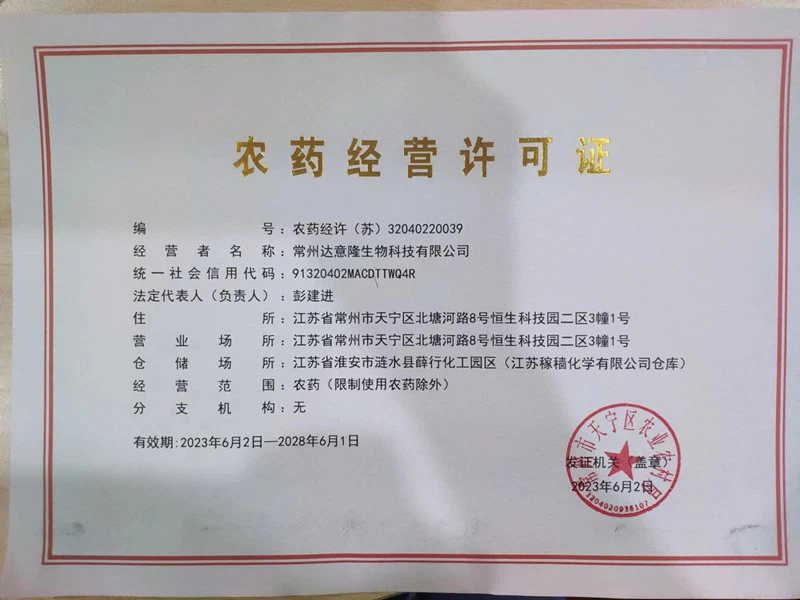
Our Certificate
FAQ
As one of the most professional mcpa manufacturers and suppliers in China, we're featured by quality products and good price. Please rest assured to buy high-grade mcpa from our factory.
industrial strength weed killer, strong vinegar for weeds, non selective herbicidePopular Products


