

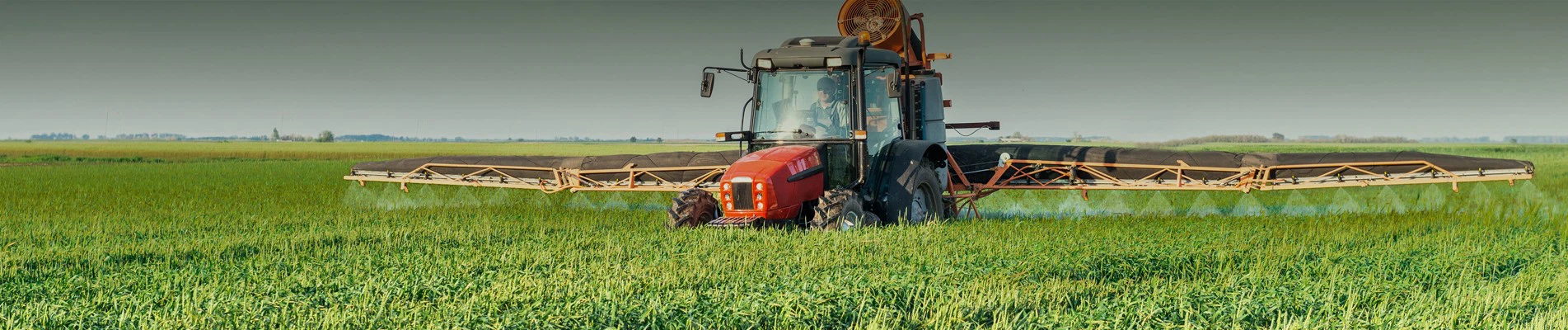
Your Professional Tebuconazole Supplier
Changzhou Dayilong Bio-Tech Co., Ltd. is a specialized manufacturer dedicated to the production of insecticides, fungicides, herbicides, plant growth regulators, pesticide intermediates, and pesticide auxiliaries.
Complete Production Equipment
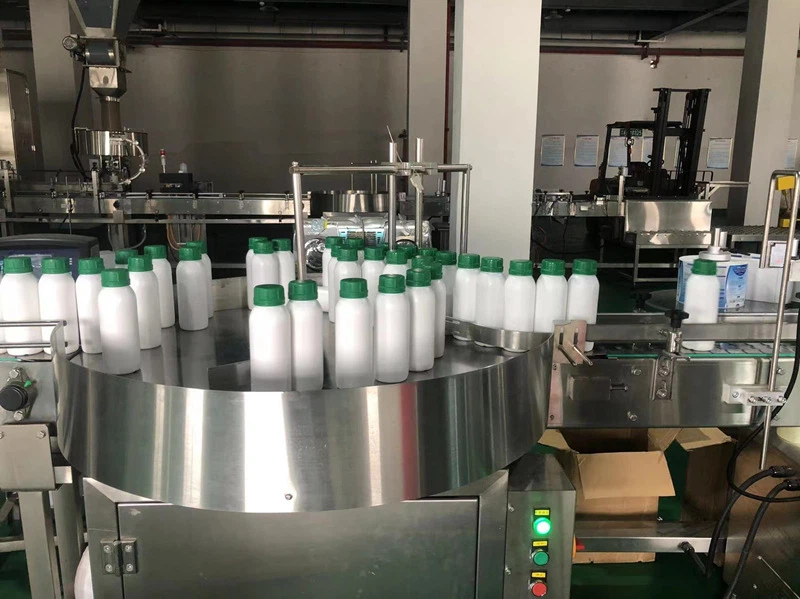
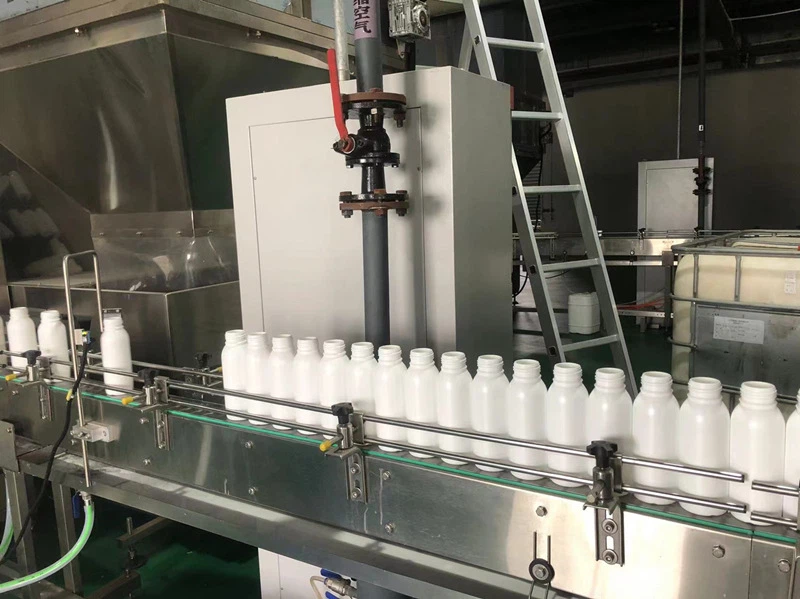
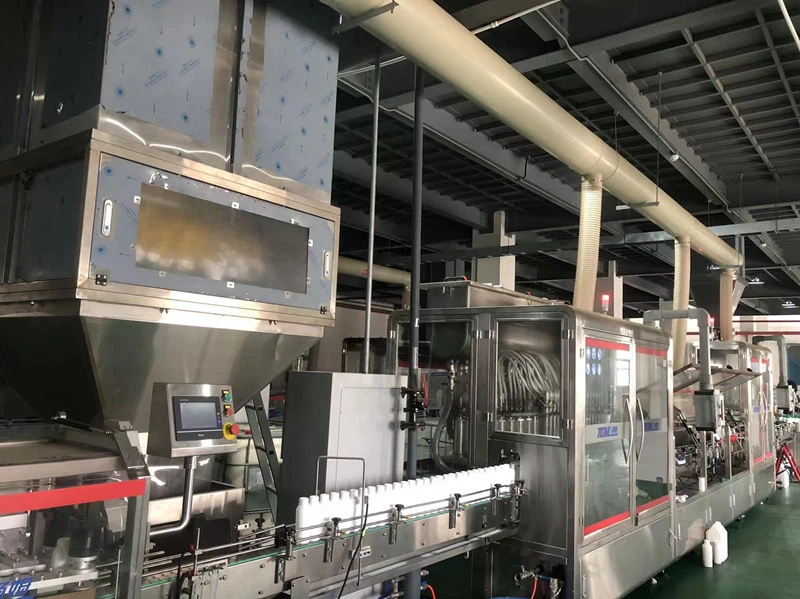
The company has complete OD, SC, SL, EC, FS and other liquid dosage form production equipment, such as grinding machine, colloid shear mill, all kinds of reaction devices, etc. With automatic filling equipment, capping equipment, packaging equipment, packaging equipment, etc.
Strict Quality Management
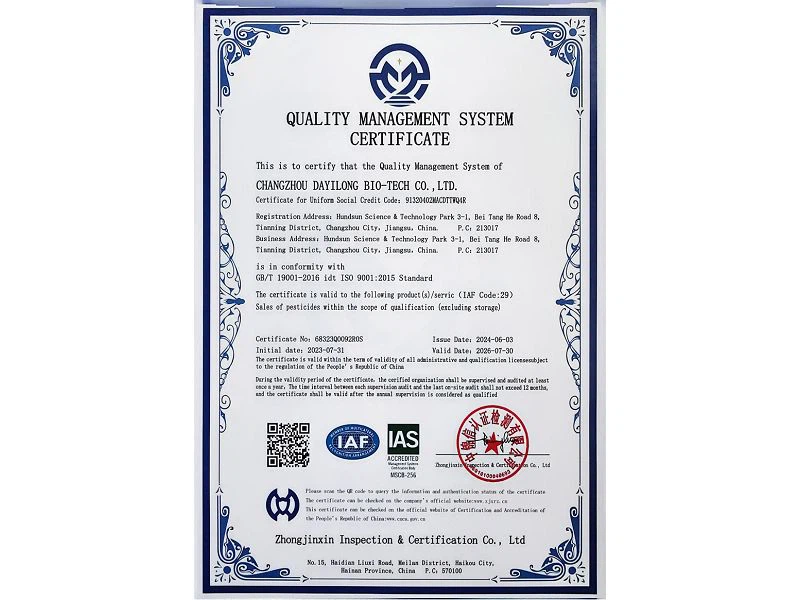
The company strict quality management, from the procurement of raw and auxiliary materials, to product formula verification, production, analysis and testing, sample retention, to packaging, shipping and other links, product quality supervision infiltrates into each process, implemented to every employee.
Professional Services
Fully communicate with customers before sales, provide professional guidance, and help them choose suitable products. Professional personnel track orders during sales to ensure that products reach customers with quality and quantity assurance, and provide detailed usage instructions and technical support.
-
![Prothioconazole 200 G/L + Tebuconazole 200G/L FS]() Prothioconazole 200 G/L + Tebuconazole 200G/L FSFormulation: FS. Packing: 20L, 10L, 5L, 1L, 500ml, 250ml, 100ml, 50ml; 1kg, 500g, 250g, 100g
Prothioconazole 200 G/L + Tebuconazole 200G/L FSFormulation: FS. Packing: 20L, 10L, 5L, 1L, 500ml, 250ml, 100ml, 50ml; 1kg, 500g, 250g, 100g

Specification
|
Molecular Formula |
C16H22ClN3O |
|
Target Diseases |
Powdery mildew, rust, leaf spot, anthracnose, and other fungal diseases |
|
Applicable Uses |
Used on cereals, fruits, vegetables, nuts, and ornamentals |
|
Dosage |
Typically 0.5-1.0 L per hectare; follow product label for specific instructions |
|
Mode of Action |
Systemic fungicide; inhibits the biosynthesis of ergosterol, essential for fungal cell membranes |
|
Formulation Type |
Emulsifiable Concentrate (EC) |
Advantages of Tebuconazole
Broad-Spectrum Control
One of the significant advantages of tebuconazole is its broad-spectrum control. It effectively combats a wide range of fungal diseases, including powdery mildew, rust, blight, and leaf spot. This versatility makes tebuconazole a valuable tool for farmers, as it can protect multiple crops from various fungal pathogens.
Systemic Activity
Tebuconazole exhibits excellent systemic activity, meaning it is absorbed by the plant and distributed throughout its tissues. This characteristic allows for protection not only on the surface of the plant but also within its internal structures. Systemic activity ensures that tebuconazole reaches all parts of the plant, including new growth, and provides long-lasting protection against fungal diseases.
Curative and Preventive Action
Tebuconazole offers both curative and preventive action against fungal diseases. It can be used as a curative treatment to control existing infections, effectively stopping the spread of the disease and promoting plant recovery. Additionally, when applied preventively, tebuconazole forms a protective barrier on the plant, preventing fungal pathogens from establishing themselves and causing damage.
Rainfastness
Rainfastness refers to the ability of a fungicide to withstand rainfall after application. Tebuconazole exhibits excellent rainfastness, meaning it remains effective even after exposure to rain or irrigation. This is particularly important in areas with unpredictable weather patterns, as it ensures that the fungicide remains on the plant and continues to provide protection.
Compatibility and Flexibility
Tebuconazole is compatible with a wide range of other agricultural inputs, such as fertilizers and insecticides. This compatibility allows for convenient tank-mixing, reducing the number of applications required and saving time and resources. Additionally, tebuconazole can be applied through various methods, including foliar sprays, seed treatments, and soil drenches, providing flexibility in application depending on the crop and the target disease.
Applications of Tebuconazole
|
Crops |
Target Diseases |
Application Rate |
|
Wheat |
Leaf rust, Powdery mildew, Septoria leaf spot |
200-300 ml/ha |
|
Barley |
Rust, Scald, Net blotch |
250-350 ml/ha |
|
Rice |
Sheath blight, Blast, Dirty panicle |
200-300 ml/ha |
|
Turf |
Dollar spot, Anthracnose, Brown patch |
300-500 ml/ha |
|
Fruit Trees |
Apple scab, Leaf spot, Brown rot |
250-400 ml/ha |
Determine how much Tebuconazole to use by measuring the square footage of the treatment area. Find the square footage by measuring the treatment area's length and width in feet, then multiplying them together. For acreage, take the square footage and divide it by one acre (square footage / 43,560 sq. ft. = acres). Depending on the diseases, apply 0.6 to 1.1 fl. oz. of Tebuconazole 3.6F per 1.5 to 3 gallons of water per 1,000 sq. ft. of golf course turf. Refer to the product label for specific application rates and restrictions.
Add product to tank while water is being added, allow agitator to operate while mixing. If any materials, or other products, are added to the spray tank, allow Tebuconazole to be thoroughly mixed before adding.
Apply the mixture via your motorized skid sprayer making sure to get nice even coverage. To prevent disease, apply every 14-21 days during the growing season, starting when leaves first appear. To treat disease, apply every 14 days for a total of 3 applications beginning at the first sign of disease.

Packaging and Shipping
|
Packaging |
20L, 10L, 5L, 1L, 500ml, 250ml, 100ml, 50ml; 1kg, 500g, 250g, 100g or as your needs |
|
Shipping |
DHL, UPS and Fedex for sample, Sea freight and air freight or other method for bulk order. |


Our Factory
Our company is located in Hengsheng Science and Technology Park, Tianning Economic Development Zone, Changzhou, covering an area of more than 800 square meters. Another processing factory in Huaian Lianshui Industrial Park, covers an area of more than 60 mu.
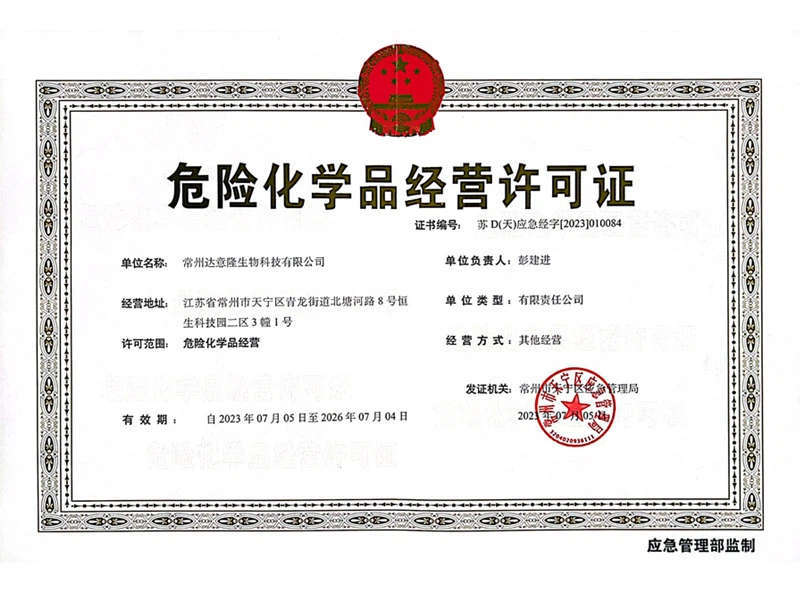
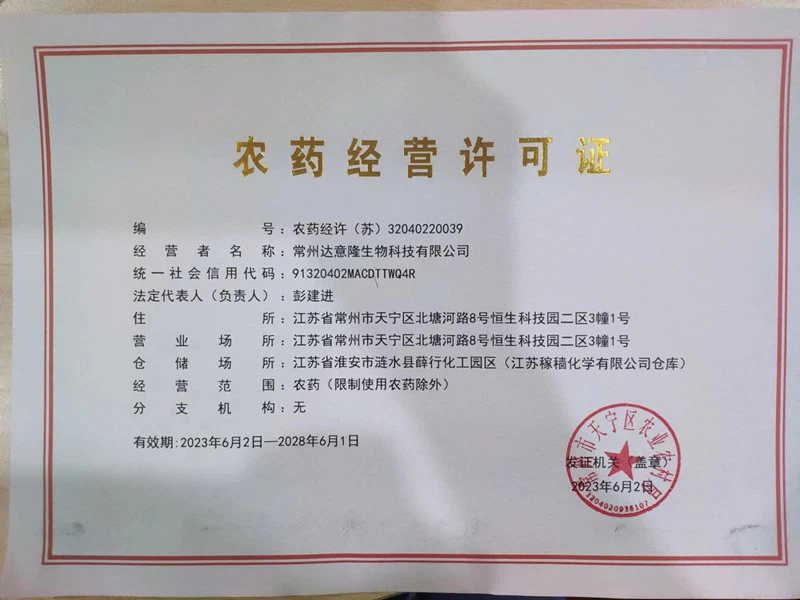
Our Certificate
FAQ
As one of the most professional tebuconazole manufacturers and suppliers in China, we're featured by quality products and good price. Please rest assured to buy high-grade tebuconazole from our factory.
carboxin fungicide uses, carboxin seed treatment, tebuzol fungicidePopular Products


