Can Clopyralid Be Used on Food Crops?
As a supplier of clopyralid, I often encounter questions from farmers, agricultural professionals, and concerned consumers about the use of clopyralid on food crops. This is a crucial topic that requires a comprehensive understanding of the herbicide's properties, regulations, and potential impacts. In this blog post, I will delve into the details to provide you with an informed perspective.
Understanding Clopyralid
Clopyralid is a selective systemic herbicide that belongs to the pyridine carboxylic acid family. It is highly effective in controlling a wide range of broadleaf weeds, particularly those in the Asteraceae, Fabaceae, and Solanaceae families. Clopyralid works by mimicking the plant hormone auxin, which disrupts the normal growth and development of susceptible weeds, ultimately leading to their death.
One of the key advantages of clopyralid is its long - lasting residual activity in the soil. This means that a single application can provide extended weed control, reducing the need for multiple treatments. However, this property also raises concerns about its potential persistence and transfer to food crops.
Regulatory Status for Food Crops
The use of clopyralid on food crops is regulated by various national and international authorities. In the United States, the Environmental Protection Agency (EPA) has established specific tolerances for clopyralid residues in different food crops. These tolerances are based on extensive scientific research to ensure that the levels of clopyralid residues in food are safe for human consumption.
For example, the EPA has set a tolerance of 0.1 parts per million (ppm) for clopyralid residues in many fruits and vegetables. This means that food crops can legally contain up to 0.1 ppm of clopyralid without posing a significant risk to human health. Similar regulations exist in other countries, such as the European Union, where the European Food Safety Authority (EFSA) assesses and approves the use of pesticides on food crops.
It's important to note that these regulations are regularly updated as new scientific evidence becomes available. This ensures that the use of clopyralid on food crops remains within safe limits.
Application on Food Crops
When used correctly, clopyralid can be applied to certain food crops. For instance, it is commonly used in the production of leguminous crops such as peas and beans. These crops are often plagued by broadleaf weeds, and clopyralid can effectively control them without causing significant damage to the crop itself.
However, the application of clopyralid on food crops must follow strict guidelines. Farmers need to adhere to the recommended application rates, timing, and methods. Over - application can lead to excessive residues in the crop, which may exceed the regulatory limits. Additionally, there are often pre - harvest intervals specified for each crop. This is the period between the last application of the herbicide and the harvest of the crop, which allows time for the residues to degrade to safe levels.
Potential Risks and Mitigation
While clopyralid is considered safe when used according to regulations, there are still some potential risks associated with its use on food crops. One of the main concerns is the potential for carry - over in the soil. Since clopyralid has a long residual activity, it can remain in the soil for an extended period. This can pose a problem if sensitive crops are planted in the same field in subsequent seasons.
To mitigate these risks, farmers can take several measures. First, they can conduct soil tests to determine the level of clopyralid residues in the soil before planting a new crop. If the residues are too high, they can wait for a longer period or use other management practices to reduce the herbicide levels. Additionally, farmers can rotate crops to avoid planting sensitive crops in fields where clopyralid has been recently applied.
Our Product: Clopyralid 200G/L SL
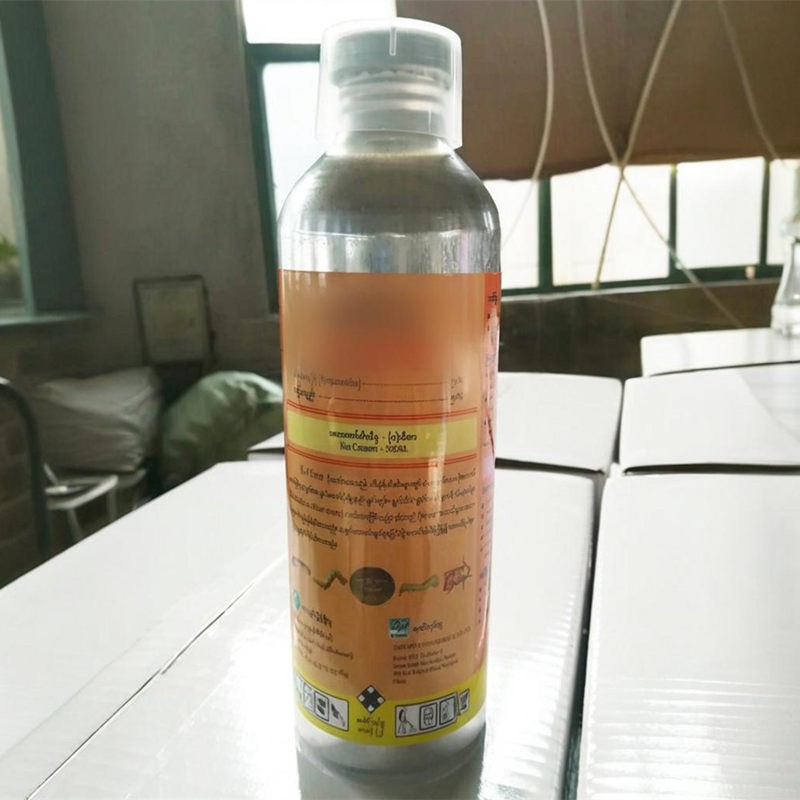
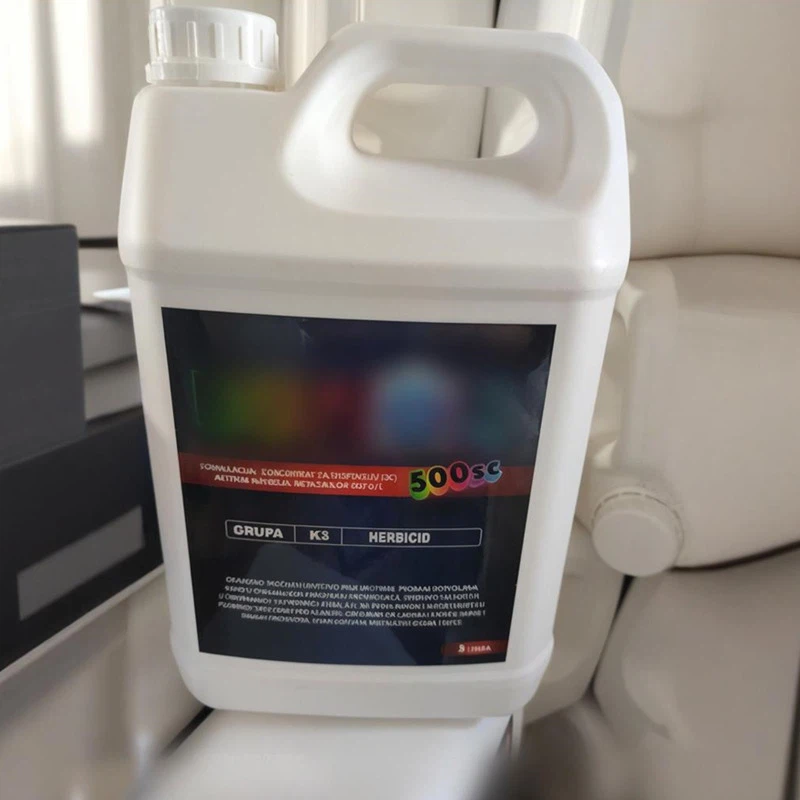
At our company, we offer Clopyralid 200G/L SL. This formulation is designed to provide effective weed control on a variety of crops, including some food crops. Our product has been thoroughly tested to ensure its quality and safety. It meets all the relevant regulatory requirements, and we provide detailed instructions on its use to help farmers achieve optimal results while minimizing risks.
Conclusion
In conclusion, clopyralid can be used on food crops when used in accordance with the regulations and guidelines. It offers an effective solution for controlling broadleaf weeds, which can significantly improve crop yields. However, it is essential to be aware of the potential risks and take appropriate measures to mitigate them.
If you are a farmer or an agricultural professional interested in using clopyralid on your food crops, we encourage you to contact us for more information. Our team of experts can provide you with detailed advice on product selection, application methods, and compliance with regulations. We are committed to helping you achieve successful and sustainable crop production.

References
- Environmental Protection Agency (EPA). (Year). Clopyralid Pesticide Fact Sheet.
- European Food Safety Authority (EFSA). (Year). Scientific Opinion on the Risk Assessment of Clopyralid.
- Various peer - reviewed scientific journals on pesticide use and residue analysis.