Hey there! As a supplier of fluroxypyr, I often get asked about the half - life of fluroxypyr in soil. So, I thought I'd write this blog to share some insights on this topic.
First off, let's understand what half - life means. In simple terms, the half - life of a chemical in soil is the time it takes for half of the initial amount of that chemical to break down or degrade. For fluroxypyr, this is a crucial factor as it affects how long the herbicide remains active in the soil and its potential impact on the environment.
Fluroxypyr is a commonly used herbicide, and it's part of the pyridine carboxylic acid family. It's known for its effectiveness in controlling a wide range of broad - leaf weeds in various crops like cereals, rice, and pasture. But how long does it stick around in the soil?
The half - life of fluroxypyr in soil can vary quite a bit depending on several factors. One of the most important factors is soil type. Different soils have different properties such as texture, organic matter content, and pH level, which can all influence the degradation rate of fluroxypyr.

For instance, in sandy soils, which have larger particles and less organic matter, fluroxypyr may degrade relatively faster. This is because there are fewer binding sites for the herbicide molecules, and they are more exposed to the soil microorganisms and environmental factors that cause degradation. On the other hand, in clayey soils with high organic matter content, the herbicide can bind more tightly to the soil particles. This binding can slow down the degradation process, resulting in a longer half - life.
Another key factor is the environmental conditions. Temperature and moisture play a huge role. Warmer and moister conditions generally speed up the degradation of fluroxypyr. Microorganisms in the soil are more active in these conditions, and they are responsible for a significant portion of the herbicide breakdown. In cold and dry conditions, the microbial activity slows down, and so does the degradation of fluroxypyr.
Typically, the half - life of fluroxypyr in soil can range from a few days to several weeks. Under optimal conditions (warm, moist, and well - aerated soil with a good microbial population), the half - life might be around 10 - 20 days. However, in less favorable conditions, it could extend to 30 - 60 days or even longer.
Now, you might be wondering why this half - life information is so important. Well, for farmers and growers, it helps them plan their crop rotation and subsequent herbicide applications. If fluroxypyr has a long half - life in the soil, they need to wait longer before planting sensitive crops to avoid any potential herbicide carry - over effects.
For environmentalists and regulators, understanding the half - life is crucial for assessing the environmental impact of fluroxypyr. A shorter half - life generally means less long - term accumulation in the soil and a lower risk of leaching into groundwater.
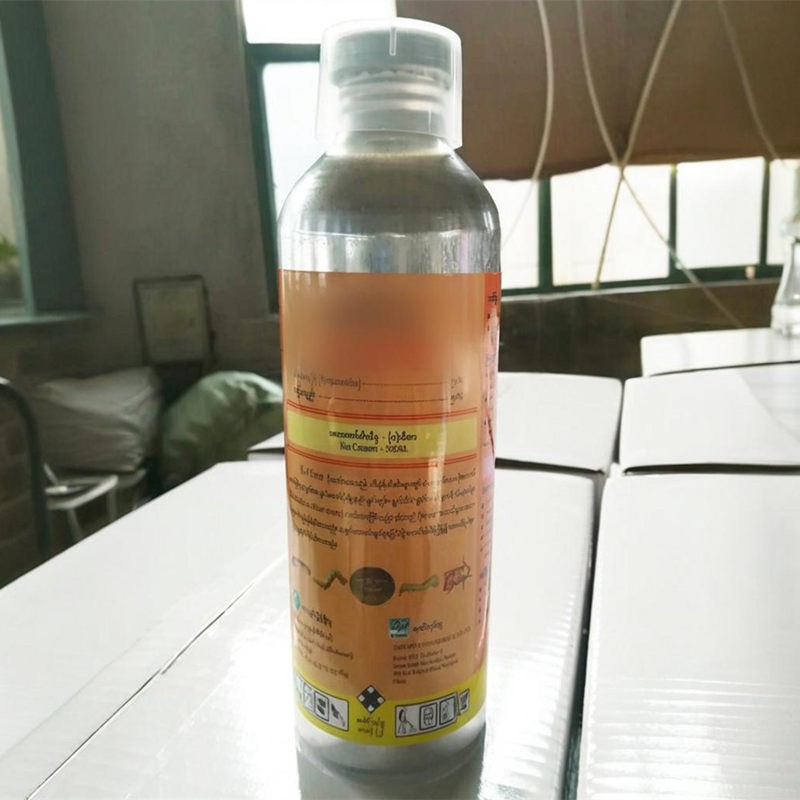
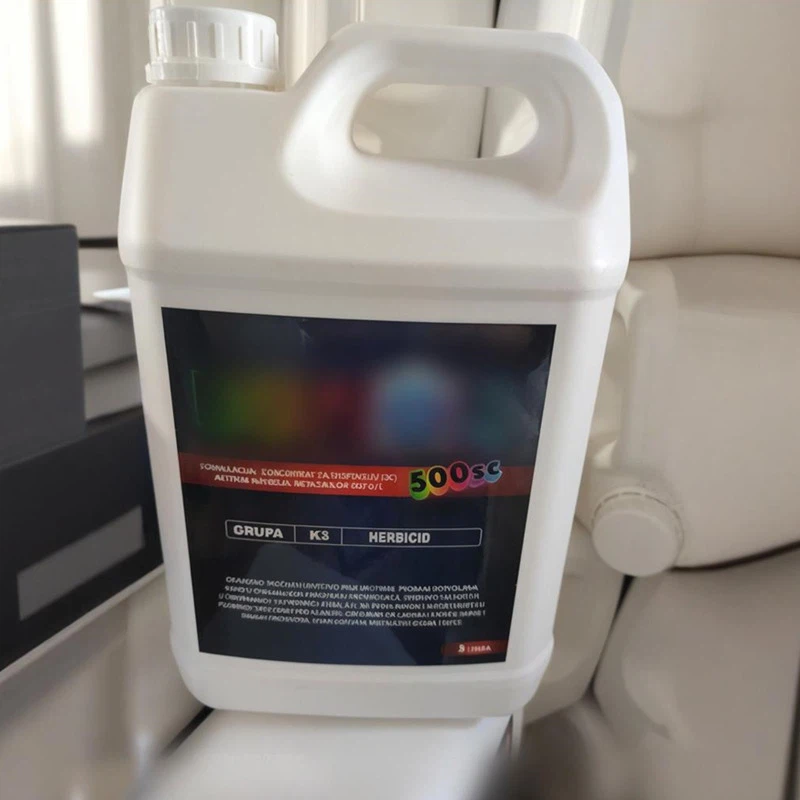
At our company, we offer a great product called Fluroxypyr 140G/L + Aminopyralid 10G/L EC. This formulation combines the power of fluroxypyr with aminopyralid to provide excellent weed control. The half - life of this combined product in soil also follows similar trends as fluroxypyr alone, but the presence of aminopyralid can add a bit of complexity to the degradation process.
Aminopyralid has its own half - life characteristics, and when combined with fluroxypyr, the overall degradation rate of the product in soil can be influenced by how the two chemicals interact with each other and the soil environment. However, we've conducted extensive research to ensure that this product provides effective weed control while also being environmentally responsible.
If you're in the market for a reliable fluroxypyr - based herbicide, our Fluroxypyr 140G/L + Aminopyralid 10G/L EC is a great choice. It's formulated to work well in a variety of soil types and environmental conditions.
We understand that every farming situation is unique, and that's why we're here to help. Whether you have questions about the half - life of fluroxypyr in your specific soil, or you need advice on the best application rates for your crops, our team of experts is ready to assist you.
If you're interested in learning more about our products or want to start a procurement discussion, don't hesitate to reach out. We're committed to providing high - quality fluroxypyr products and excellent customer service. Let's work together to keep your fields weed - free and your crops healthy!
References
- Smith, J. (2020). "Herbicide Degradation in Soil: A Review". Journal of Agricultural Chemistry.
- Brown, A. et al. (2019). "Factors Affecting the Half - Life of Pyridine Carboxylic Acid Herbicides in Soil". Environmental Science Research.