Can Clopyralid Be Used in Organic Farming?
As a supplier of clopyralid, I often encounter questions from farmers, agricultural enthusiasts, and environmentalists regarding the compatibility of clopyralid with organic farming practices. This topic is not only of great importance in the agricultural community but also has far - reaching implications for the future of sustainable food production. In this blog post, I will delve into the nature of clopyralid, the principles of organic farming, and analyze whether clopyralid can find a place in organic farming.
What is Clopyralid?
Clopyralid is a selective herbicide that belongs to the pyridine carboxylic acid family. It is highly effective against a wide range of broad - leaf weeds, especially those in the Asteraceae, Fabaceae, and Solanaceae families. Clopyralid works by mimicking the plant hormone auxin, which disrupts the normal growth and development of susceptible plants, ultimately leading to their death.
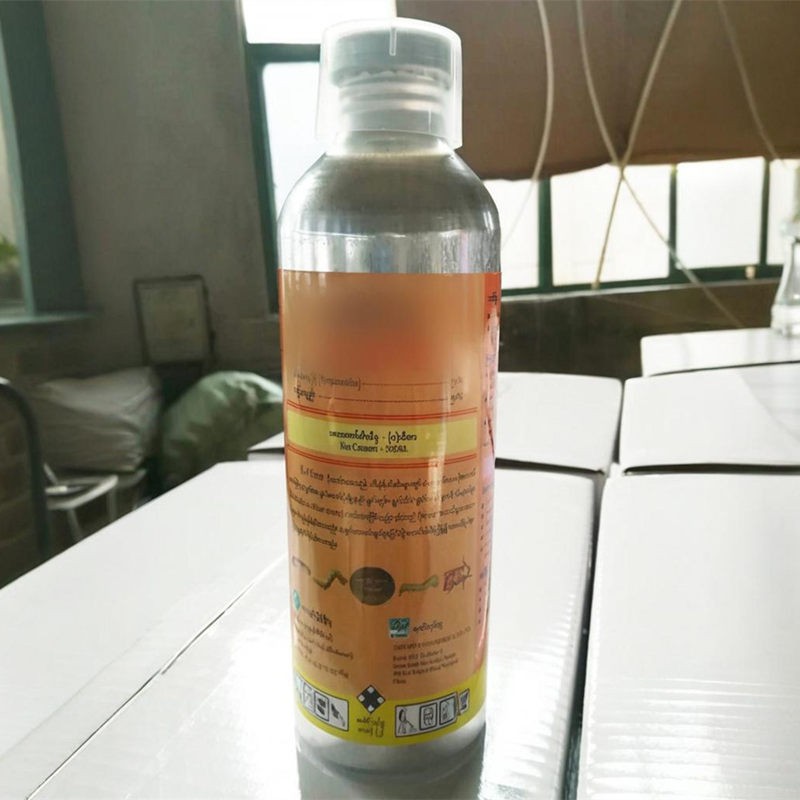
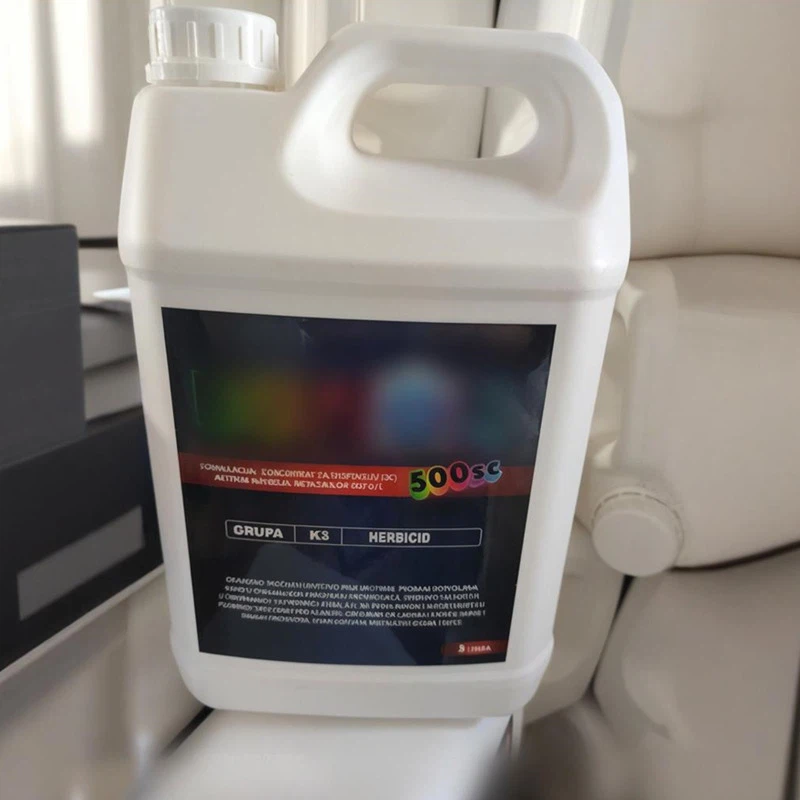
One of the key features of clopyralid is its long - lasting residual activity in the soil. This means that a single application can provide extended weed control, reducing the need for frequent re - treatments. For example, in pasturelands and some crop fields, a well - timed application of clopyralid can keep weed populations in check for an entire growing season. Our Clopyralid 200G/L SL product is a popular choice among farmers due to its high efficacy and ease of use.
Principles of Organic Farming
Organic farming is based on a set of principles that aim to create a sustainable and self - sufficient agricultural system. These principles include:
- Avoidance of Synthetic Inputs: Organic farmers are prohibited from using synthetic pesticides, fertilizers, and genetically modified organisms (GMOs). Instead, they rely on natural substances and biological processes to manage pests, diseases, and soil fertility. For instance, they may use compost, manure, and green manures to enrich the soil, and beneficial insects or botanical extracts to control pests.
- Biodiversity Conservation: Organic farms strive to maintain and enhance biodiversity. This includes protecting natural habitats, promoting the growth of native plants, and providing a home for beneficial insects, birds, and other wildlife. By creating a diverse ecosystem, organic farmers can reduce the reliance on external inputs and increase the resilience of their farms.
- Soil Health and Fertility: Organic farming places a strong emphasis on building and maintaining healthy soil. Healthy soil is the foundation of a productive and sustainable farm, as it provides essential nutrients, water, and oxygen to plants. Organic farmers use practices such as crop rotation, cover cropping, and minimal tillage to improve soil structure, fertility, and biological activity.
Can Clopyralid Be Used in Organic Farming?
Based on the principles of organic farming, the use of clopyralid is generally not allowed in organic production. Clopyralid is a synthetic chemical herbicide, and its use violates the fundamental rule of avoiding synthetic inputs in organic farming.
However, there are some nuances to consider. In some cases, there may be a small amount of clopyralid residue in organic - certified products due to environmental contamination. For example, if a neighboring non - organic farm has applied clopyralid, and the herbicide has drifted onto an organic farm through wind or water runoff, trace amounts of clopyralid may be detected in the organic crops. This is a challenging situation for organic farmers, as they need to ensure that their products meet the strict organic standards.
Another aspect to consider is the long - term environmental impact of clopyralid. Although it is effective in controlling weeds, its long - lasting residual activity in the soil can have unintended consequences. For example, clopyralid can persist in the soil for months or even years, and it may affect the growth of non - target plants, including some beneficial species. This goes against the principle of biodiversity conservation in organic farming.
On the other hand, some farmers may argue that the use of clopyralid could potentially reduce the need for more harmful or less selective herbicides. In situations where weed pressure is extremely high and alternative organic weed control methods are not sufficient, there may be a temptation to use clopyralid. However, this approach is not in line with the philosophy of organic farming, which seeks to find long - term, sustainable solutions rather than relying on quick - fix chemical treatments.
Alternatives to Clopyralid in Organic Farming
There are several effective alternatives to clopyralid for organic farmers:
- Mechanical Weed Control: This includes methods such as hand - weeding, hoeing, and tillage. Although these methods are labor - intensive, they are a natural and effective way to remove weeds without the use of chemicals. For small - scale organic farms, hand - weeding can be a practical option, especially for controlling weeds in vegetable gardens or high - value crops.
- Biological Weed Control: Organic farmers can use beneficial insects, fungi, and bacteria to control weeds. For example, some insects feed on specific weed species, while certain fungi can infect and kill weeds. By introducing these natural enemies into the farm ecosystem, organic farmers can reduce weed populations in a sustainable way.
- Mulching: Mulching is a simple and effective way to suppress weeds. Organic materials such as straw, wood chips, and leaves can be used to cover the soil surface, preventing weed seeds from germinating and growing. Mulching also helps to retain soil moisture, improve soil fertility, and regulate soil temperature.
- Crop Rotation and Cover Cropping: Crop rotation involves growing different crops in a sequence on the same piece of land. This helps to break the life cycle of weeds, pests, and diseases, and improves soil fertility. Cover cropping is the practice of growing a non - cash crop during the off - season to protect the soil, suppress weeds, and add organic matter.
Conclusion
In conclusion, clopyralid cannot be used in organic farming according to the established principles of organic production. While it is an effective herbicide, its synthetic nature and potential environmental impacts make it incompatible with the goals of organic farming. Organic farmers should focus on using natural and sustainable methods to control weeds, such as mechanical weed control, biological control, mulching, and crop rotation.
However, as a clopyralid supplier, I understand that there is a demand for effective weed control solutions in conventional agriculture. Our Clopyralid 200G/L SL product is designed to meet the needs of farmers who are looking for a reliable and efficient way to manage weed populations in non - organic farms. If you are interested in learning more about our clopyralid products or have any questions regarding weed control, please feel free to contact us for a detailed discussion and potential purchase. We are committed to providing high - quality products and professional services to our customers.

References
- "Organic Farming: Principles and Practices" by Jules N. Pretty
- "Herbicides and Their Mechanisms of Action" by Stephen O. Duke
- Organic Materials Review Institute (OMRI) standards and guidelines.