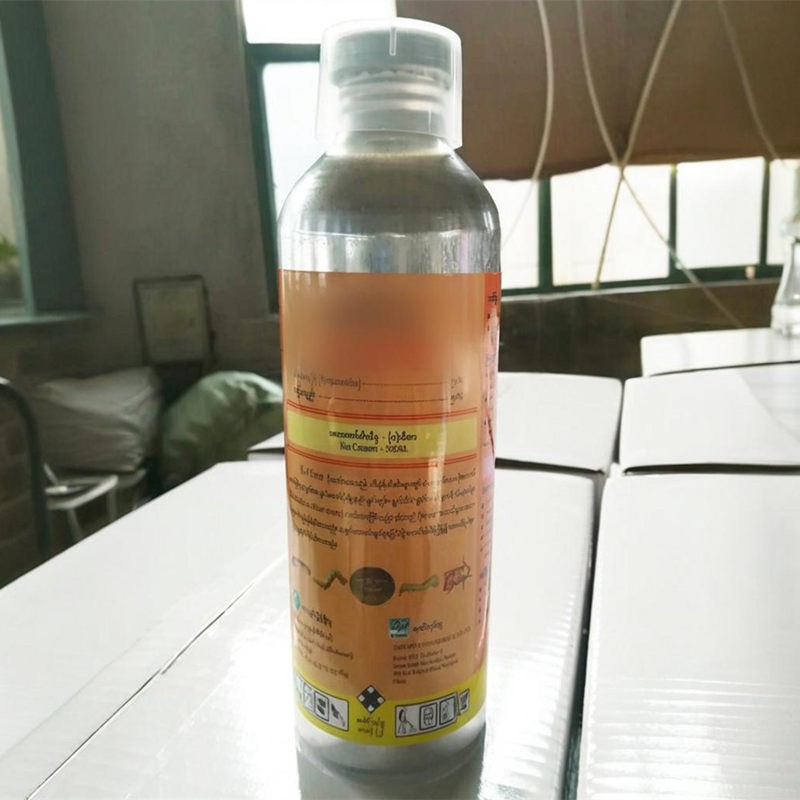
Hey there! As a pinoxaden supplier, I often get asked a bunch of questions about what pinoxaden can and can't do. One of the most common queries I've been getting lately is, "Can pinoxaden be used on legume crops?" Well, let's dig into this topic and find out.
First off, let's talk a bit about pinoxaden. Pinoxaden is a post - emergence herbicide that's pretty well - known in the agricultural world. It's great at controlling annual grasses in cereal crops like wheat, barley, and oats. It works by inhibiting the acetyl - CoA carboxylase (ACCase) enzyme in grass weeds, which basically stops them from making fatty acids and growing properly. This eventually leads to the death of the weeds.
Now, when it comes to legume crops, things get a bit more complicated. Legume crops, such as soybeans, peas, and lentils, have different growth characteristics and sensitivities compared to cereal crops. Pinoxaden is formulated to target specific types of weeds in cereals, and its safety and efficacy on legumes haven't been as extensively studied.
Most of the time, pinoxaden is not recommended for use on legume crops. Legumes are generally more sensitive to herbicides because of their unique physiological makeup. The active ingredient in pinoxaden might harm the legume plants, stunting their growth or even killing them. For example, the ACCase enzyme in legumes could potentially be affected by pinoxaden, leading to reduced photosynthesis and overall plant health.
However, it's not a complete no - go. In some cases, with proper testing and under very specific conditions, pinoxaden might be used on legume crops. But this would require a lot of research and caution. You'd need to do small - scale field trials on your legume fields to see how the plants react. And even then, you'd have to closely monitor the crops for any signs of damage.
Another thing to consider is the presence of adjuvants and safeners in pinoxaden formulations. For instance, Pinoxaden 100G/L + Cloquintocet - mexyl 25G/L EC contains cloquintocet - mexyl, which is a safener. A safener is supposed to protect the crop from the harmful effects of the herbicide. But again, just because there's a safener doesn't mean it'll work perfectly on legumes.
If you're thinking about using pinoxaden on your legume crops, you should also think about the potential impact on the soil and the environment. Herbicides can stay in the soil for a while, and if they're not used correctly, they can contaminate groundwater or harm beneficial soil organisms. Legumes have a symbiotic relationship with nitrogen - fixing bacteria in the soil, and any disruption to this relationship could have long - term consequences for soil fertility.

So, what are the alternatives for weed control in legume crops? There are plenty of other herbicides that are specifically formulated for legumes. These herbicides are designed to target the common weeds that affect legumes without harming the crops themselves. You can also use non - chemical methods like hand - weeding, mulching, or mechanical cultivation.
But if you're still set on exploring the possibility of using pinoxaden on your legume crops, I'd highly recommend consulting with an agricultural expert. They can give you more in - depth advice based on your specific location, the type of legumes you're growing, and the weed species you're dealing with.
As a pinoxaden supplier, I always want to make sure that my customers are using our products safely and effectively. I know that every farmer's situation is different, and sometimes, you just want to try something new to see if it works. But when it comes to using pinoxaden on legume crops, proceed with extreme caution.
If you have any more questions about pinoxaden or other herbicides, or if you're interested in purchasing pinoxaden for your cereal crops, don't hesitate to reach out. I'm here to help you make the best decisions for your farm.
References
- Smith, J. (2020). Herbicide Safety in Agricultural Crops. Agricultural Science Journal.
- Johnson, R. (2021). The Impact of Herbicides on Legume Physiology. Plant Biology Reviews.
- Thompson, M. (2019). Alternative Weed Control Methods in Legume Crops. Sustainable Agriculture Magazine.