Can clopyralid be used on lawns? Well, that's a question I get asked a lot as a supplier of clopyralid. In this blog, I'm gonna break down everything you need to know about using clopyralid on lawns, from what it is to its pros and cons, and whether it's the right choice for your grassy areas.
First off, let's talk about what clopyralid is. Clopyralid is a selective herbicide that's part of the pyridine carboxylic acid family. It's mainly used to control broadleaf weeds, especially those in the Asteraceae, Fabaceae, and Solanaceae families. You might be wondering, why is it so effective against these weeds? Well, clopyralid works by mimicking a plant growth hormone called auxin. When the weed absorbs the herbicide, it causes abnormal growth patterns, which eventually lead to the death of the weed.
Now, let's get to the big question: can you use clopyralid on lawns? The short answer is yes, but there are some important things to keep in mind. Clopyralid is great for lawns because it can target a wide range of pesky broadleaf weeds without harming most types of grass. This means you can get rid of dandelions, thistles, and other unwanted plants while keeping your lawn looking lush and green.
One of the main advantages of using clopyralid on lawns is its long - lasting effect. Once applied, it can keep working in the soil for several months, providing ongoing protection against new weed growth. This is super convenient, as you don't have to keep reapplying the herbicide every few weeks.
Another benefit is its low toxicity to humans and animals when used as directed. Of course, you should always follow the safety instructions on the label, but compared to some other herbicides, clopyralid is relatively safe. This is important if you have kids or pets who play on the lawn.

But it's not all sunshine and rainbows. There are also some drawbacks to using clopyralid on lawns. One issue is that it can be persistent in the environment. If you use too much or apply it incorrectly, it can stay in the soil for a long time and potentially affect other plants. This means you need to be really careful about where and how you use it.
Also, some types of grass may be sensitive to clopyralid. While most common lawn grasses like Kentucky bluegrass, fescue, and ryegrass are tolerant, there are always exceptions. Before you apply clopyralid to your entire lawn, it's a good idea to test it on a small, inconspicuous area first to make sure your grass can handle it.
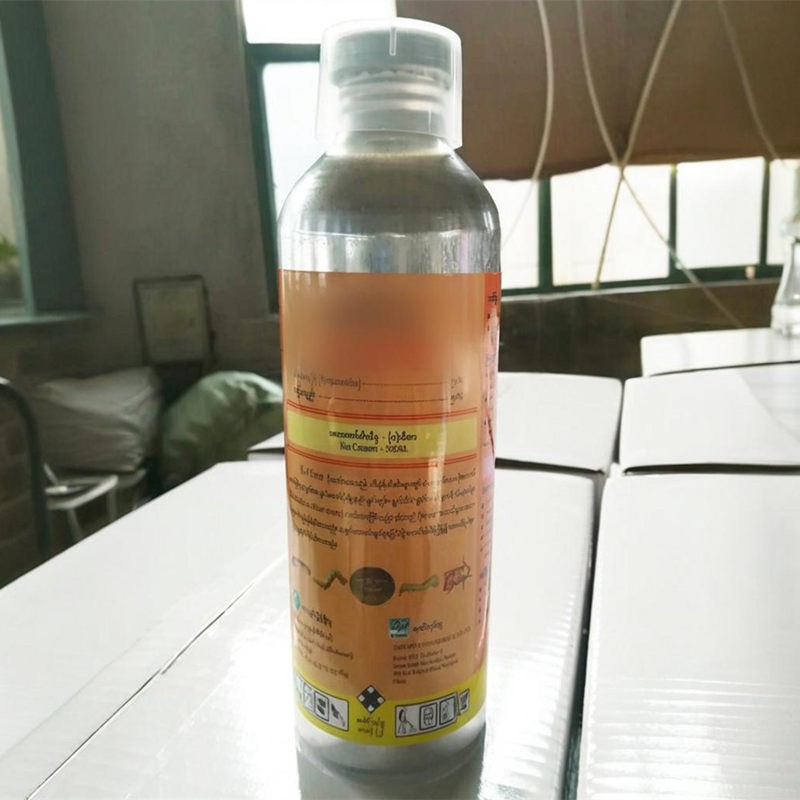
Now, let's talk about how to use clopyralid on lawns. The first step is to choose the right product. We offer Clopyralid 200G/L SL, which is a popular and effective option. It comes in a liquid formulation that's easy to mix and apply.
When applying clopyralid, timing is crucial. The best time to use it is when the weeds are actively growing, usually in the spring or fall. Make sure to follow the application rate and method specified on the product label. Over - applying can not only damage your lawn but also increase the risk of environmental contamination.
It's also important to note that you should avoid mowing your lawn for a few days before and after applying clopyralid. This allows the herbicide to be fully absorbed by the weeds. And don't forget to water your lawn lightly after application to help the herbicide work its way into the soil.
So, is clopyralid the right choice for your lawn? It depends on your specific situation. If you have a lot of broadleaf weeds and want an effective, long - lasting solution, then it could be a great option. But you need to be aware of the potential risks and use it responsibly.
If you're interested in purchasing clopyralid for your lawn, I'd love to have a chat with you. We have a team of experts who can answer any questions you might have and help you choose the right product for your needs. Whether you're a homeowner looking to spruce up your front yard or a professional landscaper, we're here to support you.
In conclusion, clopyralid can be used on lawns, but it requires careful consideration and proper application. By understanding its benefits and limitations, you can make an informed decision about whether it's the right herbicide for your grassy areas.
References:
- Product label of Clopyralid 200G/L SL
- Scientific studies on the efficacy and environmental impact of clopyralid