


How is Profenofos Transported Safely?
As a profenofos supplier, I understand the critical importance of safe transportation of this highly effective yet potentially hazardous insecticide. Profenofos is a well - known organophosphorus insecticide that offers robust control against a wide range of pests in agricultural settings. Ensuring its safe transportation not only protects the environment and human health but also guarantees that customers receive a high - quality product.
Understanding Profenofos and Its Risks
Before delving into the transportation methods, it's essential to understand what profenofos is and the risks associated with it. Profenofos 500G/L EC is a common formulation in the market, which you can learn more about here. It is a contact and systemic insecticide that acts on the nervous systems of insects. However, it is also highly toxic to humans, animals, and the environment. Exposure to profenofos can cause various health problems, including headaches, dizziness, nausea, and in severe cases, it can lead to respiratory failure and even death.
Packaging for Safe Transport
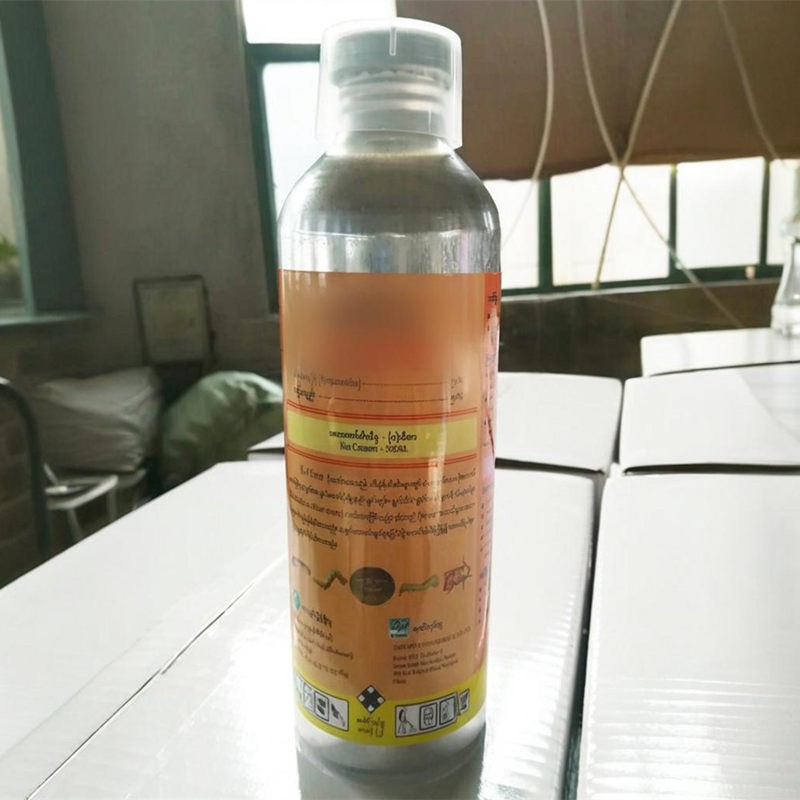
The first step in the safe transportation of profenofos is proper packaging. Only high - quality, approved containers should be used. These containers must be made of materials that are resistant to corrosion and leakage. For example, HDPE (High - Density Polyethylene) drums are commonly used as they provide excellent chemical resistance and can withstand physical impacts during transit.
The containers should be sealed tightly to prevent any spillage. Additionally, they need to be labeled clearly with all the necessary information, such as the product name, concentration, hazard symbols, and handling instructions. This helps transport personnel to handle the product correctly and be aware of the associated risks.
Before filling the drums, a thorough inspection should be carried out to ensure that there are no defects or damages. Once filled, the drums should be checked again to confirm the integrity of the seal. Intermediate bulk containers (IBCs) can also be used for larger - volume shipments. IBCs are designed to be more efficient for storage and transportation, and they often come with additional safety features such as over - pressure protection.
Regulatory Compliance
Transporting profenofos is strictly regulated by national and international laws. In the United States, the Department of Transportation (DOT) has specific regulations regarding the transportation of hazardous materials, including profenofos. These regulations cover everything from packaging requirements to labeling, documentation, and emergency response.
Internationally, the International Maritime Dangerous Goods (IMDG) Code and the International Air Transport Association (IATA) Dangerous Goods Regulations govern the transport of profenofos by sea and air respectively. As a supplier, it is our responsibility to ensure that all shipments comply with these regulations. This includes providing accurate shipping papers that detail the nature of the product, its quantity, and any special handling requirements.
Mode of Transport
The choice of transport mode depends on several factors, such as the distance, quantity, and destination of the shipment.
Road Transport
Road transport is a common option for short - to medium - distance shipments. Trucks used for transporting profenofos must be specially designed and equipped to handle hazardous materials. They should have proper ventilation systems to prevent the build - up of fumes, and the cargo area should be secured to prevent the drums or containers from moving during transit.
Drivers of these trucks must be trained in handling hazardous materials. They should be aware of the risks associated with profenofos and know how to respond in case of an emergency, such as a spill or a leak. Regular inspections of the truck and its cargo are also necessary to ensure safety.
Rail Transport
For larger - volume shipments over long distances, rail transport can be a more cost - effective and efficient option. Railcars used for transporting profenofos are designed to meet strict safety standards. They are equipped with safety features such as pressure relief valves and emergency shut - off devices.
However, rail transport also requires careful coordination. The loading and unloading of profenofos from railcars must be carried out by trained personnel using appropriate equipment. Additionally, the rail network must be monitored to ensure that the shipments are not exposed to unnecessary risks, such as derailments or collisions.
Sea Transport
When shipping profenofos internationally, sea transport is often the preferred option. Shipping containers are used to transport the product in large quantities. The containers must be properly secured on the vessel to prevent movement during rough seas.
The shipping company must also comply with all the relevant maritime regulations, including the IMDG Code. This includes proper stowage of the containers, providing adequate ventilation, and having emergency response plans in place. The crew on board the vessel must be trained to handle hazardous materials and respond to any potential incidents.
Emergency Response Planning
Despite all the precautions taken, emergencies can still occur during the transportation of profenofos. Therefore, it is crucial to have a comprehensive emergency response plan in place.
This plan should include procedures for dealing with spills, leaks, and fires. For example, in case of a spill, the area should be immediately cordoned off to prevent unauthorized access. Absorbent materials can be used to contain the spill, and the spilled product should be collected and disposed of properly according to environmental regulations.
In case of a fire, the appropriate fire - fighting equipment should be used. Since profenofos is an organophosphorus compound, water - based fire extinguishers may not be sufficient, and dry chemical or foam extinguishers may be required.
All transport personnel, including drivers, rail workers, and seafarers, should be trained in emergency response procedures. Regular drills should be conducted to ensure that they can respond effectively in case of an actual emergency.
Monitoring and Tracking
To ensure the safety of the profenofos during transportation, it is important to have a monitoring and tracking system in place. This can include using sensors to monitor temperature, pressure, and the integrity of the containers. If any abnormal conditions are detected, immediate action can be taken to prevent potential problems.
GPS tracking can also be used to monitor the location of the shipment. This allows the supplier to keep track of the progress of the shipment and respond quickly in case of any delays or unexpected events.
Conclusion
Safe transportation of profenofos is a complex but essential process. As a profenofos supplier, we are committed to ensuring that every step of the transportation process meets the highest safety standards. From proper packaging and regulatory compliance to choosing the right mode of transport and having a robust emergency response plan, we take every measure to protect our customers, the environment, and the transport personnel.
If you are in need of high - quality profenofos products and want to discuss your procurement requirements, we invite you to reach out to us. We are ready to provide you with detailed information and work with you to ensure a smooth and safe supply chain.
References
- Department of Transportation (DOT) regulations on hazardous materials transportation.
- International Maritime Dangerous Goods (IMDG) Code.
- International Air Transport Association (IATA) Dangerous Goods Regulations.


