Tebuconazole is a well - known triazole fungicide that has been widely used in the agricultural industry for several decades. As a tebuconazole supplier, I have witnessed firsthand its popularity and the various discussions around its impact on fruit quality. In this blog, we will explore the multifaceted effects of tebuconazole on fruit quality from different perspectives.
1. Disease Prevention and Its Indirect Impact on Fruit Quality
One of the primary reasons for using tebuconazole in fruit production is its excellent fungicidal properties. It can effectively control a wide range of fungal diseases such as powdery mildew, rust, and scab on fruits like apples, grapes, and strawberries. By preventing these diseases, tebuconazole indirectly contributes to maintaining good fruit quality.
Fungal diseases can severely damage the appearance of fruits. For example, powdery mildew on grapes can cover the berries with a white powdery substance, making them less visually appealing. Rust can cause unsightly lesions on apple skins, reducing their market value. When tebuconazole is applied at the right time and in the appropriate dosage, it can prevent these diseases from occurring, ensuring that the fruits have a smooth, clean surface, which is an important aspect of fruit quality for consumers.
Moreover, fungal infections can also affect the internal quality of fruits. Infected fruits may have reduced sugar content, altered flavor profiles, and lower nutritional value. For instance, fruits suffering from fungal diseases often have a higher acid - to - sugar ratio, resulting in a sourer taste. Tebuconazole helps to avoid these negative changes by keeping the fruits healthy and disease - free.
2. Impact on Fruit Size and Yield
Tebuconazole can have a positive impact on fruit size and yield, which are also important components of fruit quality. By controlling fungal diseases, the plant can allocate more of its resources towards fruit development. When a plant is not under the stress of a fungal infection, it can photosynthesize more efficiently, produce more carbohydrates, and transfer these nutrients to the fruits.

In some studies, it has been found that the application of tebuconazole can lead to an increase in the average size of fruits. For example, in apple orchards, treated trees may produce larger apples compared to untreated ones. This is beneficial not only for consumers who prefer larger fruits but also for growers as it can increase the overall yield per hectare. However, it is important to note that the effect on fruit size and yield can vary depending on factors such as the type of fruit, the severity of the disease pressure, and the application rate of tebuconazole.
3. Influence on Fruit Shelf - Life
Another aspect of fruit quality is its shelf - life. Tebuconazole can extend the shelf - life of fruits by preventing post - harvest fungal infections. After harvest, fruits are still vulnerable to fungal pathogens, which can cause decay and spoilage during storage and transportation. By treating the fruits with tebuconazole before harvest, the risk of post - harvest diseases can be significantly reduced.
For example, in the case of citrus fruits, tebuconazole can protect them from green mold and blue mold, two common post - harvest diseases. This means that the fruits can remain fresh and marketable for a longer period, reducing losses for both growers and retailers. Longer shelf - life also allows for better distribution of fruits to more distant markets, increasing their availability to consumers.
4. Potential Negative Effects on Fruit Quality
While tebuconazole offers many benefits, there are also some potential negative effects on fruit quality that need to be considered. One concern is the possible residue of tebuconazole on the fruits. Although regulatory authorities have set maximum residue limits (MRLs) for tebuconazole in fruits, there is still a risk of exceeding these limits if the fungicide is misused or over - applied.
High levels of tebuconazole residues on fruits can be a health concern for consumers. In addition, some consumers may be sensitive to chemical residues and prefer to buy organic fruits without such substances. Moreover, excessive use of tebuconazole can also have an impact on the flavor of the fruits. Some studies have suggested that very high doses of tebuconazole can impart a slightly bitter or off - flavor to the fruits, which can reduce their palatability.
Another potential negative effect is the development of fungicide resistance in fungal populations. If tebuconazole is used repeatedly and without proper rotation with other fungicides, the fungi may develop resistance to it. This can lead to ineffective disease control in the long run, which in turn can have a negative impact on fruit quality as the fruits become more susceptible to fungal diseases.
5. Balancing the Use of Tebuconazole for Optimal Fruit Quality
To ensure that tebuconazole is used in a way that maximizes its benefits while minimizing its negative impacts on fruit quality, several strategies can be employed. First, it is crucial to follow the recommended application rates and timings provided by the manufacturer and regulatory authorities. This can help to ensure that the fruits have an acceptable level of tebuconazole residues and that the fungicide is used effectively to control diseases.
Second, integrated pest management (IPM) practices should be adopted. IPM involves combining different methods of disease control, such as cultural practices (e.g., proper pruning, sanitation), biological control (e.g., using beneficial microorganisms), and chemical control (using fungicides like tebuconazole). By using a combination of these methods, the reliance on tebuconazole can be reduced, and the risk of fungicide resistance can be minimized.
Third, it is important to communicate with consumers about the use of tebuconazole in fruit production. Providing information about the safety of the fungicide, the measures taken to ensure low residues, and the benefits it brings to fruit quality can help to build consumer trust.
6. Our Product: Prothioconazole 200 G/L + Tebuconazole 200G/L FS
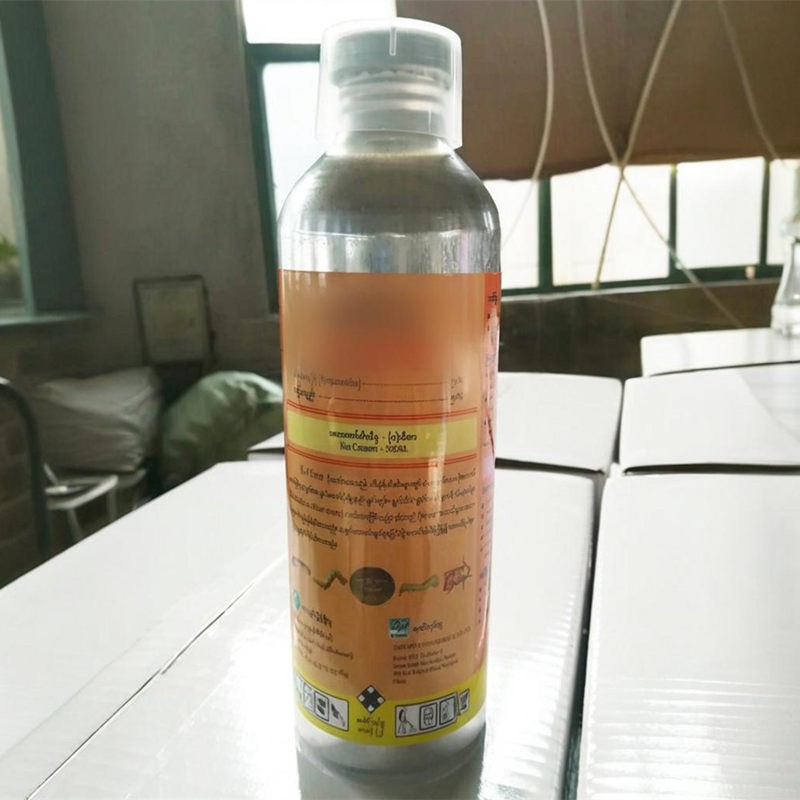
As a tebuconazole supplier, we offer a high - quality product, Prothioconazole 200 G/L + Tebuconazole 200G/L FS. This formulation combines the fungicidal properties of prothioconazole and tebuconazole, providing enhanced disease control for a wide range of fruits. The combination of these two active ingredients can target different types of fungal pathogens, offering more comprehensive protection compared to using tebuconazole alone.
Our product has been tested and proven to be effective in preventing fungal diseases while maintaining good fruit quality. It is easy to apply and has a low environmental impact when used according to the instructions. We are committed to providing our customers with the best products and services to help them achieve optimal fruit quality and yield.
Conclusion
Tebuconazole has a significant impact on fruit quality, both positive and negative. On one hand, it can prevent fungal diseases, improve fruit size and yield, and extend the shelf - life of fruits. On the other hand, there are concerns about residues and the development of fungicide resistance. By using tebuconazole in a responsible and integrated manner, growers can maximize its benefits and minimize its drawbacks.
If you are interested in learning more about our tebuconazole products or have any questions regarding their use in fruit production, please feel free to contact us for further discussion. We are here to assist you in making the best choices for your fruit - growing operations and ensuring high - quality fruits for the market.
References
- Agrios, G. N. (2005). Plant Pathology (5th ed.). Elsevier Academic Press.
- Brent, K. J., & Hollomon, D. W. (2007). Fungicide Resistance in Crop Pathogens: How Can It Be Managed? British Crop Protection Council.
- Gullino, M. L., & Kuijpers, A. (2016). Pesticides in Agriculture: Strategies for Sustainable Use. Springer.