Can MCPA be used in organic farming?
As a supplier of MCPA, I often receive inquiries from farmers and agricultural enthusiasts about the compatibility of MCPA with organic farming practices. This is a topic of great significance in the modern agricultural landscape, where there is a growing demand for both effective weed control and sustainable, organic production methods. In this blog post, I will delve into the question of whether MCPA can be used in organic farming, exploring the relevant regulations, scientific evidence, and practical considerations.
Understanding MCPA
MCPA, or 2 - methyl - 4 - chlorophenoxyacetic acid, is a widely used selective herbicide. It belongs to the phenoxy group of herbicides and has been employed in agriculture for decades to control broad - leaf weeds in cereal crops, grasslands, and other agricultural settings. MCPA works by mimicking the plant hormone auxin, causing uncontrolled growth in susceptible broad - leaf plants, which ultimately leads to their death.
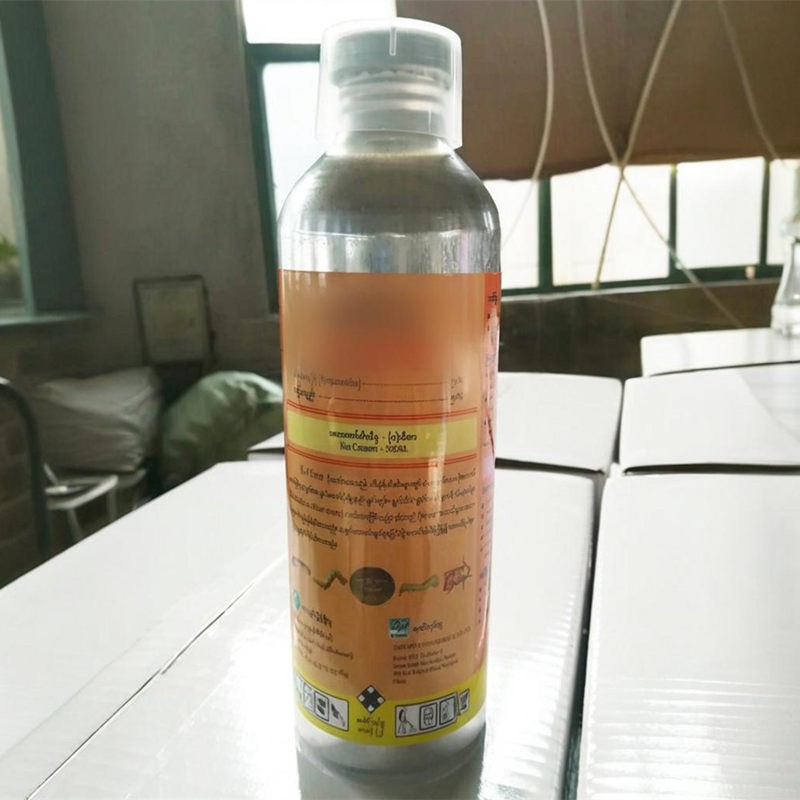
The MCPA 650G/L SL is one of the common formulations of MCPA available in the market. It is known for its effectiveness in targeting a wide range of broad - leaf weeds while being relatively safe for grasses and cereal crops when used as directed.

Organic Farming Principles
Organic farming is based on a set of principles that aim to promote ecological balance, conserve biodiversity, and avoid the use of synthetic chemicals. The International Federation of Organic Agriculture Movements (IFOAM) and various national organic certification bodies have established standards for organic production. These standards generally prohibit the use of synthetic pesticides, fertilizers, genetically modified organisms (GMOs), and other artificial additives.
The rationale behind these prohibitions is to protect the environment, human health, and the integrity of organic products. Organic farmers rely on natural methods such as crop rotation, biological pest control, mechanical weeding, and the use of organic fertilizers to manage their farms.
Regulations Regarding MCPA in Organic Farming
In most organic certification systems, MCPA is not permitted for use in organic farming. The synthetic nature of MCPA places it firmly outside the scope of approved substances for organic production. For example, the United States Department of Agriculture (USDA) National Organic Program (NOP) has a strict list of allowed and prohibited substances. MCPA is clearly listed as a prohibited synthetic pesticide, and any organic farm found using MCPA would risk losing its organic certification.
Similarly, the European Union's organic regulations, which are governed by Council Regulation (EC) No 834/2007 and its implementing regulations, also prohibit the use of synthetic herbicides like MCPA in organic farming. These regulations are designed to ensure that organic products meet a high standard of environmental and health - related criteria.
Scientific Considerations
From a scientific perspective, the use of MCPA in organic farming raises several concerns. Firstly, MCPA is a synthetic chemical, and its residues can persist in the soil and water. These residues may have long - term effects on the environment, including potential impacts on non - target organisms such as beneficial insects, soil microorganisms, and aquatic life.
Secondly, the use of MCPA goes against the principle of ecological balance in organic farming. Organic systems aim to create a self - sustaining ecosystem where natural processes control pests and weeds. Introducing a synthetic herbicide like MCPA can disrupt this balance, potentially leading to the development of herbicide - resistant weeds and a decrease in biodiversity.
However, it is important to note that MCPA has been extensively studied for its efficacy in weed control. In conventional farming, it has proven to be an effective tool for managing broad - leaf weeds, which can cause significant yield losses if left uncontrolled. But this effectiveness does not outweigh the environmental and regulatory concerns in the context of organic farming.
Alternatives to MCPA in Organic Farming
Given the prohibition of MCPA in organic farming, farmers need to rely on alternative weed control methods. Some of the most common and effective alternatives include:
- Mechanical Weeding: This involves the use of tools such as hoes, cultivators, and mowers to physically remove weeds from the fields. Mechanical weeding can be time - consuming and labor - intensive, but it is a natural and effective way to control weeds without the use of chemicals.
- Crop Rotation: By rotating different crops in a field over time, farmers can disrupt the life cycles of weeds and reduce their populations. For example, planting legumes in rotation with cereals can help improve soil fertility and suppress weed growth.
- Mulching: Applying organic mulches such as straw, wood chips, or leaves to the soil surface can prevent weed seeds from germinating by blocking sunlight. Mulches also help retain soil moisture and improve soil structure.
- Biological Control: This method involves the use of natural enemies of weeds, such as insects, fungi, or bacteria, to control their growth. For example, some insects can be introduced to feed on specific weed species.
Practical Considerations for MCPA Suppliers
As a supplier of MCPA, I understand the challenges faced by farmers in choosing the right weed control solutions. While MCPA is not suitable for organic farming, it remains a valuable tool for conventional farmers. We need to ensure that our customers are well - informed about the appropriate use of MCPA and the regulations governing its application.
We also have a responsibility to promote sustainable farming practices. This may involve providing information about alternative weed control methods to farmers who are interested in transitioning to organic farming or are practicing integrated pest management.
Conclusion
In conclusion, MCPA cannot be used in organic farming due to its synthetic nature and the strict regulations governing organic production. While it is an effective herbicide in conventional agriculture, its use goes against the principles of organic farming, which prioritize environmental sustainability and the avoidance of synthetic chemicals.
Organic farmers have a range of alternative weed control methods at their disposal, and by using these natural methods, they can maintain the integrity of their organic certification and contribute to a healthier environment.
If you are a conventional farmer in need of effective weed control solutions, our MCPA 650G/L SL is a reliable option. We are committed to providing high - quality products and excellent customer service. If you have any questions or would like to discuss your weed control needs, please feel free to contact us for further information and to start a procurement discussion.
References
- International Federation of Organic Agriculture Movements (IFOAM). Principles of Organic Agriculture.
- United States Department of Agriculture (USDA) National Organic Program (NOP). National List of Allowed and Prohibited Substances.
- Council Regulation (EC) No 834/2007 of the European Parliament and of the Council on organic production and labelling of organic products and repealing Regulation (EEC) No 2092/91.