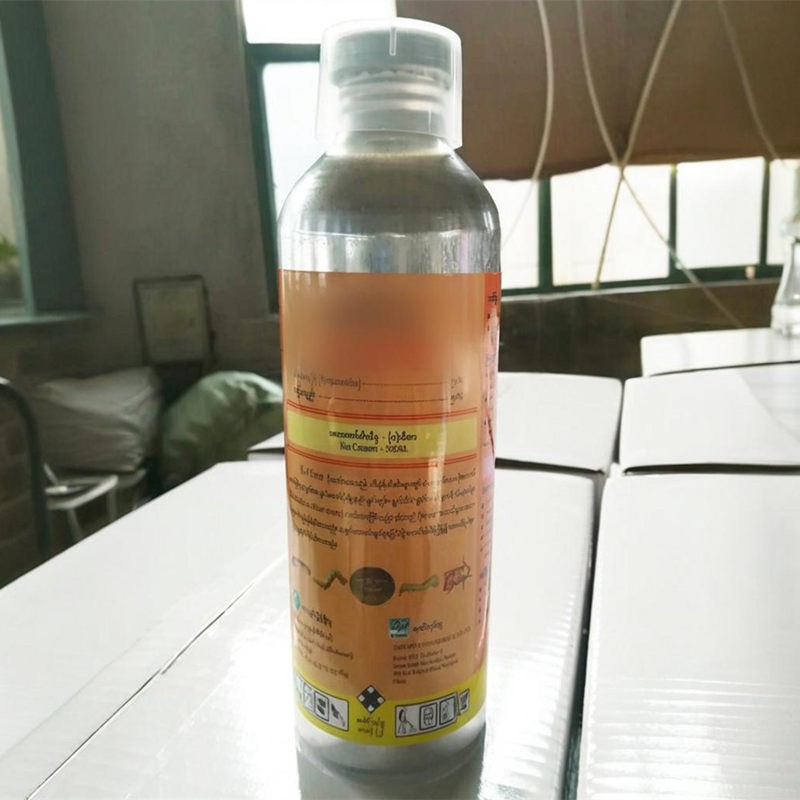
Can tebuconazole be mixed with other pesticides? This is a common question among farmers, agronomists, and those involved in the agriculture industry. As a tebuconazole supplier, I've encountered this query numerous times, and I'm here to provide a comprehensive answer based on scientific knowledge and practical experience.
Understanding Tebuconazole
Tebuconazole is a triazole fungicide that has been widely used in agriculture for decades. It is known for its broad - spectrum activity against a variety of fungal diseases, including rusts, powdery mildews, and leaf spots. Tebuconazole works by inhibiting the biosynthesis of ergosterol, an essential component of fungal cell membranes. This disruption of the cell membrane integrity leads to the death of the fungus, effectively controlling the spread of the disease.
One of the advantages of tebuconazole is its systemic nature. Once applied to the plant, it can be absorbed and translocated within the plant tissues, providing long - lasting protection against fungal infections. It also has a relatively low toxicity to mammals, making it a popular choice for use in food crops.
Compatibility with Other Pesticides
The ability to mix tebuconazole with other pesticides depends on several factors, including the chemical nature of the other pesticides, the target pests or diseases, and the application method.
Mixing with Other Fungicides
Combining tebuconazole with other fungicides can be an effective strategy to broaden the spectrum of disease control and delay the development of fungicide resistance. For example, Prothioconazole 200 G/L + Tebuconazole 200G/L FS is a pre - formulated product that combines two triazole fungicides. Prothioconazole has a different mode of action and spectrum of activity compared to tebuconazole. When used together, they can provide enhanced control against a wider range of fungal diseases, such as Fusarium head blight in wheat and barley.
However, not all fungicides are compatible with tebuconazole. Some fungicides may react chemically with tebuconazole, leading to the formation of insoluble precipitates or reducing the efficacy of the active ingredients. For instance, mixing tebuconazole with copper - based fungicides may cause chemical reactions that can damage the plant tissues and reduce the effectiveness of both fungicides.
Mixing with Insecticides
In some cases, it may be desirable to mix tebuconazole with insecticides to control both fungal diseases and insect pests in a single application. This can save time and labor costs. Many modern insecticides have good compatibility with tebuconazole. For example, pyrethroid insecticides, which are commonly used to control a variety of insects, can usually be mixed with tebuconazole without significant problems.
However, caution must be exercised when mixing with certain insecticides. Some insecticides may have a negative impact on the efficacy of tebuconazole or cause phytotoxicity to the plants. For example, organophosphate insecticides may interact with tebuconazole and affect its stability or uptake by the plants.
Mixing with Herbicides
Mixing tebuconazole with herbicides is less common, but it may be necessary in some situations. When considering such a mixture, it is crucial to ensure that the herbicide does not interfere with the fungicidal activity of tebuconazole. In general, most modern herbicides are formulated to be compatible with a wide range of pesticides. However, some herbicides may have a high pH or contain additives that can cause problems when mixed with tebuconazole.
Factors to Consider Before Mixing
Before mixing tebuconazole with other pesticides, several factors should be carefully considered:
Chemical Compatibility
As mentioned earlier, the chemical nature of the pesticides being mixed is of utmost importance. It is recommended to conduct a small - scale compatibility test before making a large - scale application. This can be done by mixing small amounts of the pesticides in a container and observing for any signs of precipitation, separation, or discoloration.
Target Pests and Diseases
The specific pests and diseases that need to be controlled should also be taken into account. If the target pests or diseases have different life cycles or require different application timings, it may not be appropriate to mix the pesticides. For example, if a fungal disease requires early - season application and an insect pest appears later in the season, it may be better to apply the pesticides separately at the appropriate times.
Application Method
The application method can also affect the compatibility of the pesticides. For example, if the pesticides are to be applied by spraying, the nozzle type, spray pressure, and droplet size can influence the mixing and distribution of the pesticides. Some pesticides may require specific application equipment or techniques to ensure proper mixing and coverage.
Plant Sensitivity
Different plant species and varieties may have different sensitivities to pesticide mixtures. Some plants may be more prone to phytotoxicity when exposed to certain pesticide combinations. It is important to consult the product labels and conduct field trials to determine the safety of the mixture on the specific crops being treated.
Practical Tips for Mixing Pesticides
If you decide to mix tebuconazole with other pesticides, here are some practical tips to ensure a successful application:
- Read the Labels: Carefully read the labels of all the pesticides being used. The labels provide important information about compatibility, application rates, safety precautions, and any restrictions on mixing.
- Follow the Order of Mixing: When mixing multiple pesticides, it is usually recommended to add the pesticides to the spray tank in a specific order. Generally, water - soluble powders should be added first, followed by flowable formulations, emulsifiable concentrates, and finally, adjuvants.
- Use Clean Equipment: Make sure that the spray equipment is clean before and after each use. Residues from previous pesticide applications can contaminate the new mixture and affect its efficacy.
- Agitate the Mixture: Continuously agitate the spray mixture during the mixing process and while it is being applied to ensure uniform distribution of the pesticides.
Conclusion
In conclusion, tebuconazole can be mixed with other pesticides in many cases, but it requires careful consideration of several factors. When done correctly, mixing tebuconazole with other pesticides can provide enhanced pest and disease control, save time and labor, and improve the overall efficiency of agricultural production. However, improper mixing can lead to reduced efficacy, phytotoxicity, and environmental risks.

As a tebuconazole supplier, I am committed to providing high - quality products and technical support to our customers. If you have any questions about the compatibility of tebuconazole with other pesticides or need advice on pesticide mixing, please feel free to contact us for further discussion and potential procurement. We look forward to working with you to achieve optimal results in your agricultural operations.
References
- "Fungicide Resistance Action Committee (FRAC) Guidelines." FRAC, 2023.
- "Pesticide Compatibility Manual." Various publishers, updated regularly.
- "Agricultural Chemicals Handbook." Meister Publishing Company, annual editions.