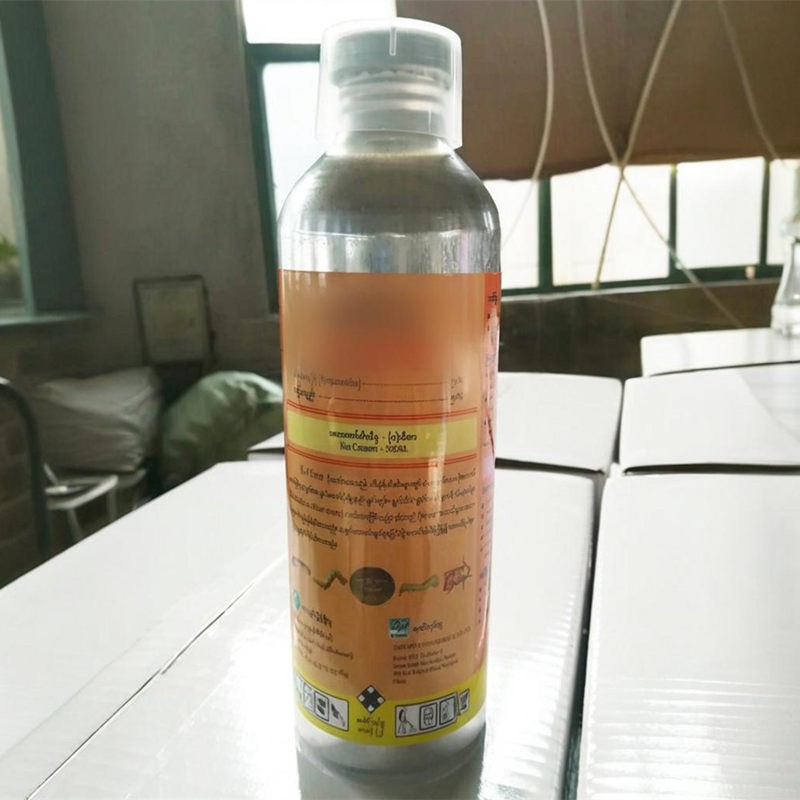
Hey there, fellow farmers and agriculture enthusiasts! I'm [Your name], and I work for a fludioxonil supplier. Today, I'm super stoked to chat about how fludioxonil can impact the quality of crops. We've seen firsthand the transformative power of this remarkable fungicide, and I can't wait to share the details with you.
Understanding Fludioxonil
First things first, let's get a handle on what fludioxonil is. It's a broad - spectrum fungicide that has been a game - changer in the agricultural world. It works by inhibiting the growth of fungi through a unique mode of action. Unlike some other fungicides, fludioxonil targets the fungal cell's ability to transport and utilize nutrients, essentially starving the fungus and preventing it from spreading.
This fungicide is highly effective against a wide range of fungal diseases, including those caused by Botrytis, Fusarium, and Penicillium. These fungi can wreak havoc on crops, causing everything from rotting fruits and vegetables to stunted growth in grains. By keeping these diseases at bay, fludioxonil helps ensure that crops reach their full potential.
Impact on Crop Appearance
One of the most obvious ways fludioxonil affects crop quality is in terms of appearance. When crops are infected with fungi, they often develop unsightly blemishes, spots, or mold. For example, in the case of strawberries, Botrytis cinerea can cause a gray mold that makes the berries look unappetizing and reduces their market value.
When fludioxonil is applied, it acts as a shield, protecting the fruit from these fungal invaders. This means that strawberries, as well as other fruits like grapes and apples, stay clean, shiny, and free of mold. The same goes for vegetables. Lettuce, for instance, can be prone to fungal diseases that cause leaf spots. With fludioxonil, the leaves remain crisp, green, and free from discoloration, making them more appealing to consumers.
Influence on Crop Shelf - Life
Another crucial aspect of crop quality is shelf - life. Fungal infections can significantly reduce the time that a crop can be stored before it spoils. This is a major issue for farmers and distributors, as it can lead to significant losses.
Fludioxonil helps extend the shelf - life of crops by preventing fungal growth during storage and transportation. By coating the seeds or spraying the plants, fludioxonil creates a protective layer that continues to work long after application. For example, in the case of cereals, a pre - harvest application of fludioxonil can prevent post - harvest mold growth. This means that grains can be stored for longer periods without losing their quality, reducing waste and increasing profitability.
Effects on Nutritional Quality
Now, let's talk about how fludioxonil impacts the nutritional quality of crops. Fungal infections can not only damage the physical appearance of crops but also reduce their nutritional value. When a plant is infected, it has to divert its energy towards fighting the infection, which can lead to a decrease in the production of important nutrients like vitamins and minerals.
By preventing fungal infections, fludioxonil allows the plant to focus on its normal growth and development. As a result, crops treated with fludioxonil tend to have higher levels of nutrients. For instance, tomatoes treated with fludioxonil may have higher levels of vitamin C, lycopene, and other antioxidants. This not only benefits the consumer but also adds value to the crop.

Fludioxonil 24G/L + Difenoconazole 24G/L FS
An exciting product that combines the power of fludioxonil is the Fludioxonil 24G/L + Difenoconazole 24G/L FS. This formulation brings together the unique properties of fludioxonil and difenoconazole to provide even better protection against a wider range of fungal diseases.
Difenoconazole works by inhibiting the synthesis of ergosterol, a vital component of fungal cell membranes. When combined with fludioxonil's nutrient - starvation mechanism, the two fungicides create a powerful one - two punch against fungi. This combination is particularly effective in protecting a variety of crops, including wheat, corn, and soybeans, from diseases like rusts and blights.
Ensuring Environmental Safety
As a responsible supplier, we're also very aware of the importance of environmental safety. Fludioxonil is known for its relatively low toxicity to non - target organisms. It breaks down relatively quickly in the environment, reducing the risk of long - term pollution.
However, it's always important to follow the recommended application rates and safety guidelines. By doing so, we can ensure that we're protecting our crops without causing unnecessary harm to the environment. This not only benefits the immediate ecosystem but also helps maintain the long - term sustainability of agriculture.
Reducing Yield Losses
Ultimately, the quality of crops is closely linked to yield. Fungal diseases can cause significant yield losses, sometimes up to 50% or more in severe cases. By using fludioxonil, farmers can reduce these losses and ensure a more consistent and profitable harvest.
For example, in a study on potato crops, fields treated with fludioxonil had a significantly higher yield compared to untreated fields. The fungicide protected the potato plants from late blight, one of the most devastating diseases in potato production. This increase in yield is a direct result of the improved crop quality due to the prevention of fungal infections.
So, Why Choose Our Fludioxonil?
Our fludioxonil products are of the highest quality. We source and manufacture our products using the latest technology and strict quality control measures. Our team of experts is always available to provide advice on the best application methods and rates for different crops.
We also understand that every farm is unique, and we're committed to providing customized solutions. Whether you're a small - scale organic farmer or a large - scale commercial operation, we have the right fludioxonil product for you.
Let's Talk!
If you're interested in learning more about how fludioxonil can improve the quality of your crops, or if you're ready to place an order, I'd love to hear from you. Contact us to start a conversation about your specific needs. We're here to help you achieve the best possible results for your farm.
References
- Agrochemical Handbook. A comprehensive guide to agricultural chemicals, which includes detailed information on fludioxonil's properties and uses.
- Journal of Agricultural and Food Chemistry. Articles related to the impact of fungicides on crop quality and nutritional value.
- Field studies conducted by independent agricultural research institutions on the effectiveness of fludioxonil in preventing crop diseases and improving yield.