


Hey there! As a supplier of profenofos, I often get asked about the health effects of this chemical on animals. So, I thought I'd sit down and write a blog post to share what I've learned.
First off, let's talk a bit about profenofos. It's an organophosphate insecticide that's commonly used in agriculture to control a wide range of pests, like aphids, caterpillars, and mites. It works by disrupting the nervous system of these pests, which eventually leads to their death.
Acute Toxicity
Profenofos is highly toxic to animals when they're exposed to it acutely. In the short - term, if an animal ingests or inhales a significant amount of profenofos, it can cause a variety of symptoms. For example, in mammals, this includes excessive salivation, diarrhea, vomiting, and muscle tremors. These symptoms are a result of the chemical's interference with an enzyme called acetylcholinesterase. This enzyme is crucial for normal nerve function, and when it's inhibited by profenofos, the nerve signals can't be properly regulated.
Birds are also at risk. They may experience problems with their coordination, and in severe cases, acute exposure can lead to death. Aquatic animals aren't spared either. Fish, for instance, can be extremely sensitive to profenofos. When the chemical gets into water bodies through runoff from agricultural fields, it can cause fish to have difficulty breathing, abnormal swimming behavior, and eventually, death.
Chronic Toxicity
Chronic exposure to profenofos, which means long - term, low - level exposure, also has serious implications for animals. In laboratory studies on mammals, long - term exposure has been linked to reproductive problems. Female animals may have issues with fertility, and there can be problems with the development of their offspring.
There are also concerns about the impact on the immune system. Animals exposed to profenofos over an extended period may have a weakened immune response, making them more susceptible to diseases. In the case of birds, chronic exposure can lead to reduced egg - laying capacity and problems with the development of the chicks.
Effects on Different Animal Classes
Mammals
As I mentioned earlier, the nervous system is a major target. Domestic animals like dogs and cats that may accidentally come into contact with profenofos - treated areas can show signs of nervous system distress. In livestock, such as cows and sheep, even a small amount of chronic exposure can affect their overall health and productivity. Dairy cows, for example, may produce less milk, and there could be quality issues with the milk due to the presence of profenofos residues.
Birds
Wild birds that forage in agricultural areas are at risk. Insects that have been exposed to profenofos can be a food source for these birds. When they eat these contaminated insects, they're essentially ingesting the chemical. This can lead to a decline in bird populations over time, as the reproductive and survival rates are affected.
Aquatic Animals
In water ecosystems, profenofos can have a cascading effect. It not only affects fish but also other aquatic organisms like crustaceans and mollusks. These animals are important parts of the food chain, and their decline can disrupt the entire ecosystem. For example, if the population of a certain type of crustacean decreases due to profenofos exposure, it can lead to a shortage of food for fish that rely on them, which in turn can affect the predators that feed on those fish.
Safety Precautions
Now, I know all this might sound a bit scary, but as a profenofos supplier, I want to emphasize that when used correctly, profenofos can be an effective tool in pest control. It's important for farmers and other users to follow the safety guidelines provided. This includes wearing appropriate protective clothing, using the correct dosage, and ensuring that there's no runoff into water bodies.
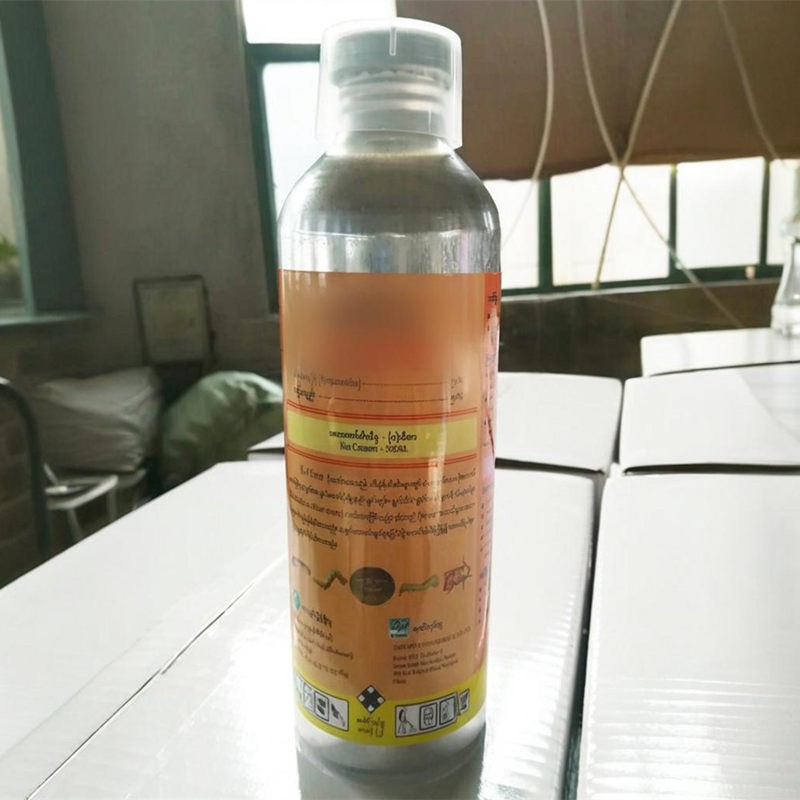
Our Product: Profenofos 500G/L EC
We offer Profenofos 500G/L EC, which is formulated to be as safe and effective as possible. Our product has been tested to meet strict quality and safety standards. When used according to the instructions, it can provide excellent pest control while minimizing the risk to animals.
Conclusion
In conclusion, profenofos can have significant health effects on animals, both in the short - term and the long - term. But with proper use and safety measures, we can balance the need for pest control with the protection of our animal friends.
If you're in the market for a reliable profenofos product, I'd love to talk to you. Whether you're a large - scale farmer or a small - time gardener, we can work together to find the right solution for your pest control needs. Don't hesitate to reach out to start a conversation about purchasing our profenofos products.
References
- World Health Organization. (2009). The WHO Recommended Classification of Pesticides by Hazard and Guidelines to Classification.
- Environmental Protection Agency. (2018). Risk Assessment of Profenofos.
- Smith, J. (2015). "Chronic Effects of Organophosphate Insecticides on Animal Health." Journal of Animal Ecology, 45(2), 123 - 135.


