


Hey there! As a metazachlor supplier, I often get asked about how this herbicide actually works. So, let's dive right into the mode of action of metazachlor.
First off, metazachlor is a pre - emergence herbicide. That means it's applied to the soil before the weeds start to grow. It belongs to the chloroacetanilide family of herbicides, which are known for their effectiveness in controlling a wide range of annual grasses and broad - leaved weeds.
The main way metazachlor works is by inhibiting the synthesis of very - long - chain fatty acids (VLCFAs) in plants. In plants, VLCFAs are crucial for building cell membranes and other important cellular structures. When metazachlor is present in the soil, it gets absorbed by the germinating weed seeds and young seedlings through their roots and shoots.
Once inside the plant, metazachlor targets specific enzymes involved in the VLCFA synthesis pathway. These enzymes are responsible for adding carbon units to fatty acids to make them longer. By blocking these enzymes, metazachlor disrupts the normal growth and development of the weed.
Without proper VLCFA synthesis, the cell membranes of the weed cells can't be formed correctly. This leads to a whole bunch of problems for the plant. The cells become leaky, losing important nutrients and water. As a result, the weed can't carry out essential functions like photosynthesis, respiration, and cell division properly.
The effects of metazachlor on weeds are pretty visible. Germinating weed seeds either fail to emerge from the soil at all or emerge as stunted, weak seedlings. These seedlings usually have distorted leaves and roots, and they quickly die off.
One of the great things about metazachlor is its selectivity. It can be used in a variety of crops, such as oilseed rape, potatoes, and sugar beets. The reason it's selective is that the crops have different metabolic rates and enzyme systems compared to the weeds. The crops can tolerate the presence of metazachlor to a certain extent because they can break down the herbicide faster or have less - sensitive target enzymes.
For example, in oilseed rape, the crop has enzymes that can detoxify metazachlor. So, while the herbicide is busy taking out the weeds, the oilseed rape plants can grow and thrive. This selectivity makes metazachlor a valuable tool for farmers, as they can control weeds without causing significant damage to their crops.
Another advantage of metazachlor is its residual activity in the soil. Once applied, it can stay in the soil for a certain period, providing long - term weed control. This is especially useful in preventing the emergence of new weed flushes over time. However, the length of its residual activity can vary depending on factors like soil type, temperature, and moisture.
In sandy soils, metazachlor may break down faster because there is less organic matter to bind it. On the other hand, in clayey soils with high organic matter content, it can persist for a longer time. Temperature also plays a role. Higher temperatures generally speed up the degradation of metazachlor in the soil.
Now, let's talk about the application of metazachlor. It's usually applied as a spray to the soil surface. It's important to apply it evenly to ensure proper coverage and effectiveness. The recommended application rates can vary depending on the crop, the type of weeds being targeted, and the soil conditions.
Farmers need to follow the label instructions carefully when applying metazachlor. This includes using the right equipment, calibrating the sprayer correctly, and applying it at the appropriate time. Applying it too early or too late can reduce its effectiveness.
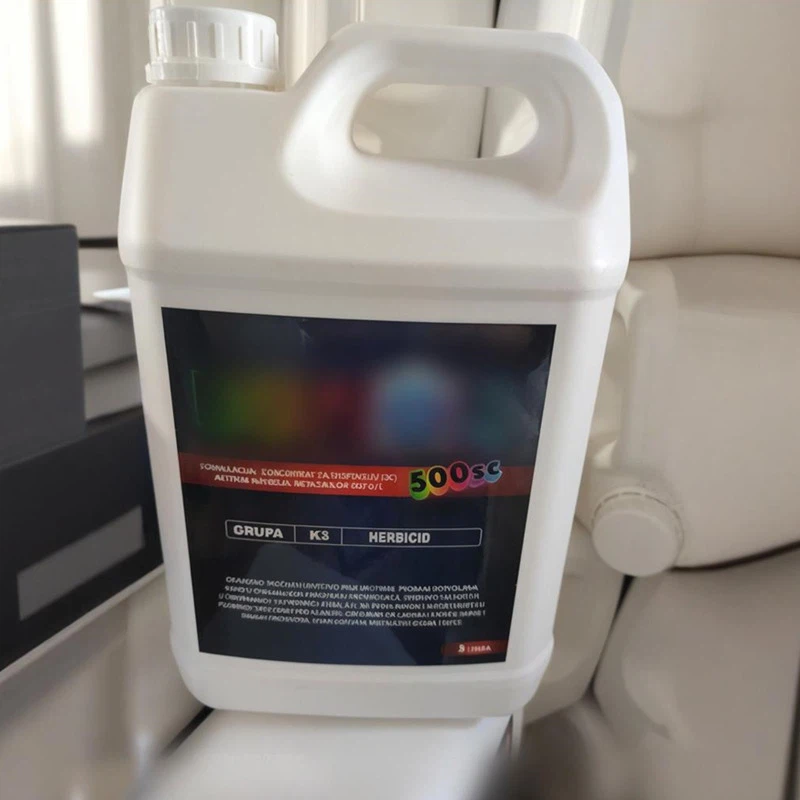
If you're interested in using metazachlor for your farming needs, we offer Metazachlor 500 G/L SC. This formulation is easy to handle and provides excellent weed control. It's formulated to ensure good dispersion in the spray solution and efficient uptake by the weeds.
Our metazachlor products are of high quality, and we source them from reliable manufacturers. We understand the importance of providing effective and safe herbicides to our customers. Whether you're a small - scale farmer or a large - scale agricultural operation, we can meet your metazachlor requirements.
If you're thinking about purchasing metazachlor, don't hesitate to reach out. We can discuss your specific needs, provide you with more information about our products, and even offer some advice on the best application practices. We're here to help you get the most out of metazachlor and keep your fields weed - free.
In conclusion, metazachlor is a powerful pre - emergence herbicide that works by inhibiting VLCFA synthesis in weeds. Its selectivity, residual activity, and ease of application make it a popular choice among farmers. If you're in the market for a reliable weed control solution, consider giving metazachlor a try.
References:
- "Herbicide Handbook" - Weed Science Society of America
- Research papers on chloroacetanilide herbicides and their mode of action


