Hey there! I'm a supplier of bifenthrin, and today I wanna chat about the precautions for using bifenthrin near water sources. Bifenthrin is a widely used insecticide known for its effectiveness against a variety of pests. But when it comes to using it close to water, we gotta be extra careful.
First off, let's understand why we need to be cautious. Bifenthrin is toxic to aquatic organisms. Fish, amphibians, and invertebrates in the water can be severely affected by even small amounts of bifenthrin contamination. It can disrupt their nervous systems, affect their growth and reproduction, and in some cases, lead to death. So, protecting our water sources is super important not just for the environment but also for the overall ecosystem balance.
One of the most crucial precautions is to avoid direct application near water bodies. This includes lakes, rivers, streams, ponds, and even drainage ditches that lead to these water sources. If you're planning to use bifenthrin in an area that's close to water, make sure there's a buffer zone. A buffer zone is an area of land between the treatment area and the water body where no bifenthrin is applied. The size of the buffer zone can vary depending on local regulations and the specific situation, but generally, it should be at least 25 - 50 feet.

Before you start using bifenthrin, always check the weather forecast. Rain can wash bifenthrin into water sources. If rain is expected within 24 - 48 hours of application, it's better to postpone the treatment. Also, be careful about wind. Strong winds can carry the insecticide particles and deposit them in water bodies. Try to apply bifenthrin on calm days to minimize the risk of drift.
When mixing bifenthrin, do it far away from water sources. Make sure you're in a well - drained area where any spills can be easily cleaned up. If a spill does occur, don't let it reach the water. Immediately contain the spill using absorbent materials like sand or kitty litter, and then properly dispose of the contaminated material according to local waste management regulations.
Proper storage of bifenthrin is also essential. Keep it in its original, tightly sealed container in a dry, cool place away from water sources. If the container gets damaged, transfer the bifenthrin to a new, suitable container right away to prevent any leaks.
Now, let's talk about the application equipment. After using the equipment to apply bifenthrin, don't clean it near water. Take it to a designated cleaning area where the wastewater can be properly treated. The rinse water from the equipment may contain traces of bifenthrin, and if it's released into water sources, it can cause pollution.
Another important thing is to follow the label instructions carefully. The product label provides detailed information about the safe use of bifenthrin, including any specific precautions related to water sources. It's there for a reason, so make sure you read and understand it before using the product.
If you're using bifenthrin in an agricultural setting near water, consider using alternative pest control methods. Integrated Pest Management (IPM) techniques can be a great option. IPM combines different strategies like biological control, cultural practices, and chemical control in a way that minimizes the use of pesticides. This can reduce the risk of bifenthrin reaching water sources while still effectively managing pests.
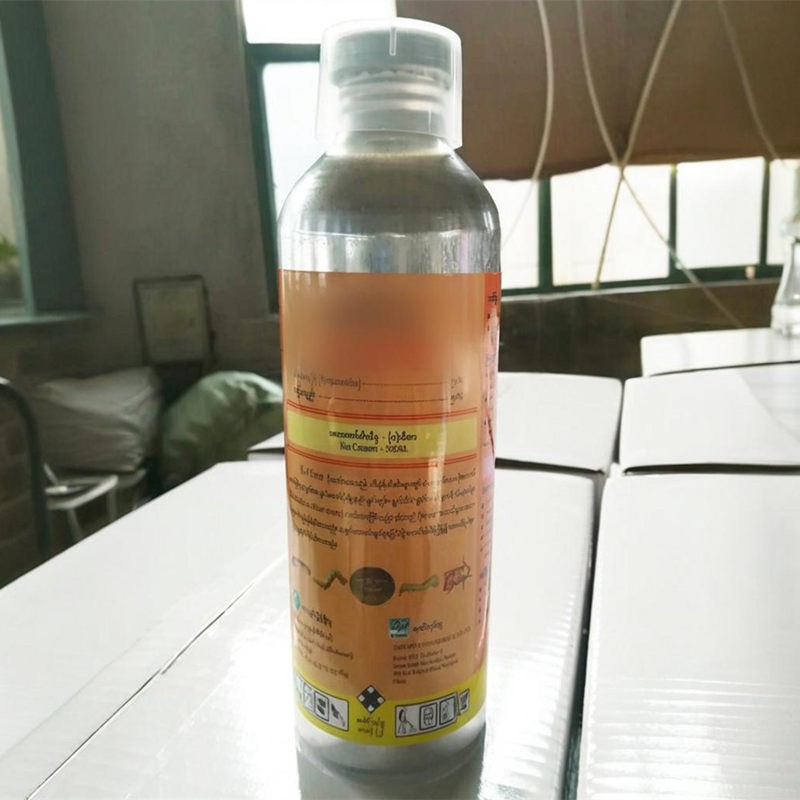
For those of you interested in our bifenthrin products, we offer Bifenthrin 200G/L EC. It's a high - quality product that has been formulated to be effective against a wide range of pests. But remember, no matter how good the product is, safety should always come first when using it near water.
If you have any questions about using bifenthrin or want to learn more about our products, feel free to reach out. We're here to help you make the right choices for pest control while also protecting our precious water sources. Whether you're a farmer, a gardener, or just someone looking to get rid of pests around your home, we can provide you with the information and products you need.
In conclusion, using bifenthrin near water sources requires a lot of attention and care. By following these precautions, we can ensure that we're using this insecticide in an environmentally responsible way. Let's work together to keep our water clean and our ecosystems healthy.
References:
- Product label information of bifenthrin products.
- Environmental Protection Agency (EPA) guidelines on pesticide use near water sources.
- Scientific studies on the effects of bifenthrin on aquatic organisms.