As a trusted supplier of oxyfluorfen, I've witnessed firsthand the growing demand for this highly effective herbicide in the agricultural and horticultural sectors. Oxyfluorfen is renowned for its broad - spectrum weed control capabilities, but understanding its stability under different conditions is crucial for ensuring its optimal performance and longevity. In this blog, we'll delve into the factors that influence the stability of oxyfluorfen and what it means for end - users.
Chemical Structure and Basic Properties of Oxyfluorfen
Oxyfluorfen, with the chemical formula C₁₂H₅Cl₂F₃O₃, belongs to the diphenyl ether class of herbicides. Its unique structure gives it a relatively high solubility in organic solvents and low solubility in water. This chemical nature is the starting point for understanding its stability in various environments.
Stability in Different Storage Conditions
Temperature
Temperature plays a significant role in the stability of oxyfluorfen. Generally, oxyfluorfen is more stable at lower temperatures. When stored at room temperature (around 20 - 25°C), the degradation rate is relatively slow. However, as the temperature rises, the chemical bonds in oxyfluorfen can become more active, leading to an increased rate of decomposition.
For example, if oxyfluorfen is stored in a hot warehouse where temperatures can reach 40°C or higher, the herbicide may start to break down over time. This degradation can result in a loss of its herbicidal activity. On the other hand, storing oxyfluorfen in a cool, dry place, such as a refrigerated storage facility maintained at around 5 - 10°C, can significantly extend its shelf - life.
Humidity
Humidity can also impact the stability of oxyfluorfen. High humidity levels can introduce moisture into the product, which may cause hydrolysis reactions. Hydrolysis occurs when water molecules react with the chemical bonds in oxyfluorfen, breaking them down.
In regions with high humidity, it's essential to store oxyfluorfen in tightly sealed containers. For instance, if the product is stored in a plastic container that is not properly sealed, moisture can seep in, leading to a decrease in the quality of the herbicide. Additionally, using desiccants in the storage area can help absorb excess moisture and maintain a dry environment for the product.
Stability in Different Application Conditions
pH of the Spray Solution
When oxyfluorfen is formulated into a spray solution for application, the pH of the solution can affect its stability. Oxyfluorfen is more stable in slightly acidic to neutral pH conditions. In a solution with a pH range of 5 - 7, the herbicide remains relatively intact and can effectively target weeds.
However, if the pH of the spray solution is too high (alkaline), oxyfluorfen may undergo chemical reactions that reduce its effectiveness. For example, in a highly alkaline solution (pH > 9), the chemical structure of oxyfluorfen can be altered, leading to a decrease in its ability to penetrate the waxy cuticle of weeds and exert its herbicidal action.
Interaction with Other Chemicals
Oxyfluorfen is often used in combination with other pesticides or fertilizers in agricultural practices. The compatibility and interaction with these other chemicals can influence its stability. Some chemicals may react with oxyfluorfen, causing it to degrade or form new compounds with reduced herbicidal activity.
For example, certain metal - containing fertilizers may react with oxyfluorfen, leading to the formation of insoluble complexes. This can not only reduce the effectiveness of oxyfluorfen but also clog the nozzles of spray equipment. Therefore, it's crucial to conduct compatibility tests before mixing oxyfluorfen with other chemicals.
Stability in the Environment after Application
Soil Conditions
Once applied to the soil, oxyfluorfen's stability is affected by various soil factors. Soil texture, organic matter content, and microbial activity all play a role. In sandy soils with low organic matter content, oxyfluorfen may be more mobile and less stable. It can be easily leached by rainfall or irrigation water, moving deeper into the soil profile and potentially contaminating groundwater.
In contrast, in clayey soils with high organic matter content, oxyfluorfen tends to bind more strongly to the soil particles. This binding can slow down its degradation rate and keep it in the topsoil layer where it can effectively control weeds. Microbial activity in the soil can also break down oxyfluorfen. In soils with high microbial populations, the herbicide may be degraded more rapidly.
Exposure to Sunlight
Sunlight can also impact the stability of oxyfluorfen after application. Ultraviolet (UV) radiation in sunlight can cause photodegradation of the herbicide. When oxyfluorfen is exposed to direct sunlight for extended periods, the UV rays can break the chemical bonds in the molecule, reducing its effectiveness.
To mitigate the effects of sunlight, some formulations of oxyfluorfen are designed with UV - protecting agents. These agents can absorb or scatter the UV radiation, protecting the herbicide from photodegradation and ensuring its longer - lasting activity in the field.
Our Product: Oxyfluorfen 240G/L EC
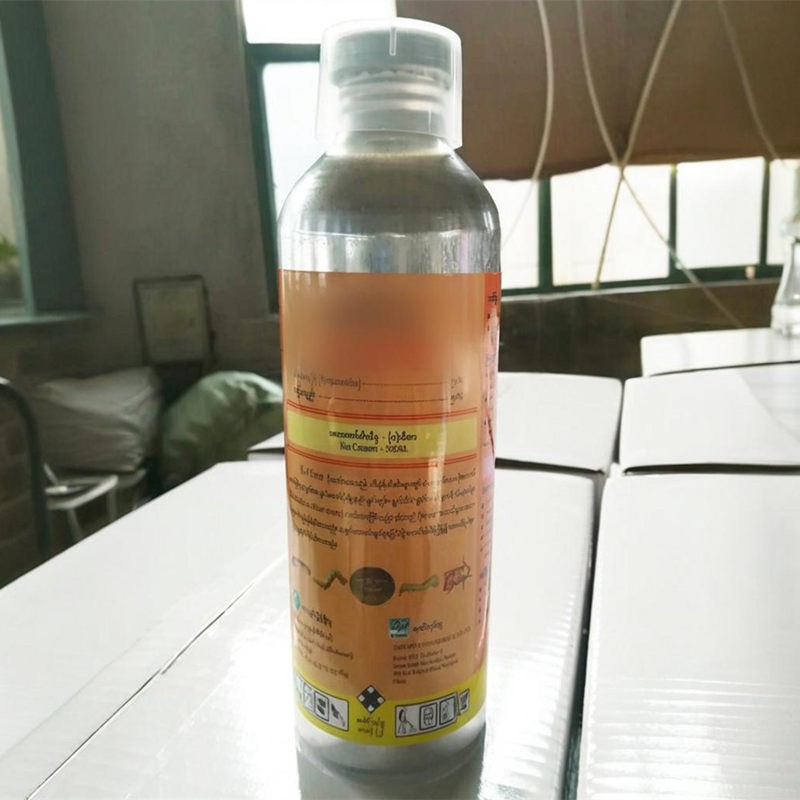
As a supplier, we offer Oxyfluorfen 240G/L EC. This formulation has been carefully developed to enhance the stability of oxyfluorfen under various conditions. Our research and development team has optimized the formulation to ensure that it remains stable during storage, application, and in the environment.
The 240G/L EC formulation is designed to have good solubility and dispersion properties, making it easy to mix with water and apply using standard spray equipment. It also contains additives that help protect the oxyfluorfen from degradation due to factors such as temperature, humidity, and sunlight.
Importance of Understanding Stability for End - Users
For farmers, gardeners, and other end - users, understanding the stability of oxyfluorfen is essential for achieving the best results. By storing the product correctly, adjusting the application conditions, and being aware of its behavior in the environment, users can ensure that the herbicide maintains its effectiveness throughout the weed - control process.

Proper storage and handling can prevent premature degradation of oxyfluorfen, saving users money by reducing the need for repeated applications. Additionally, understanding the environmental factors that affect its stability can help minimize the potential negative impacts on the ecosystem, such as groundwater contamination.
Conclusion
In conclusion, the stability of oxyfluorfen is influenced by a variety of factors, including temperature, humidity, pH, interaction with other chemicals, soil conditions, and sunlight. As a supplier, we are committed to providing high - quality oxyfluorfen products that are stable and effective. Our Oxyfluorfen 240G/L EC formulation is a testament to our dedication to research and development in this area.
If you are interested in purchasing oxyfluorfen for your agricultural or horticultural needs, we invite you to contact us for more information and to discuss your specific requirements. Our team of experts is ready to assist you in making the right choice and ensuring that you get the most out of our products.
References
- Smith, J. A. (2018). Chemical stability of herbicides in storage and application. Journal of Agricultural Chemistry, 45(2), 123 - 135.
- Brown, B. R. (2019). Environmental fate and stability of diphenyl ether herbicides. Environmental Science Reviews, 32(3), 201 - 215.
- Green, C. L. (2020). Factors affecting the stability of herbicide formulations. Agricultural Technology Journal, 56(4), 345 - 358.