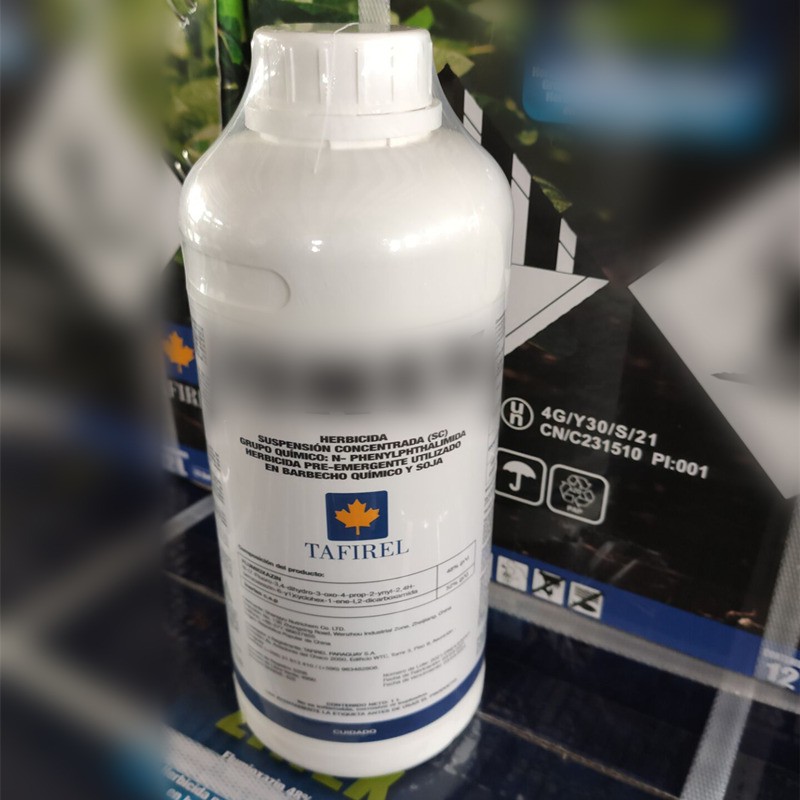
Can bentazone be used in organic farming? That's a question I get asked a lot as a bentazone supplier. Let's dig into this topic and see what the deal is.
First off, what is bentazone? Bentazone is a widely - used herbicide. It's known for its effectiveness in controlling a variety of broad - leaf weeds and some grassy weeds in different crops. You can check out Bentazone 480G/L SL for more detailed information about one of the bentazone products on the market.
Now, let's talk about organic farming. Organic farming is all about growing crops and raising livestock in a way that works in harmony with nature. It avoids the use of synthetic pesticides, fertilizers, genetically modified organisms (GMOs), and other artificial additives. The goal is to produce food that's as natural as possible, while also protecting the environment and promoting biodiversity.
So, can bentazone fit into this organic farming model? Well, the short answer is no. Bentazone is a synthetic herbicide. In the strictest sense of organic farming regulations, synthetic pesticides are a big no - no. Organic certification bodies around the world have clear rules against using synthetic chemicals like bentazone.
Why are synthetic pesticides not allowed in organic farming? There are several reasons. One of the main concerns is the potential impact on the environment. Synthetic pesticides can have unintended consequences. They might kill beneficial insects along with the pests, disrupt the natural balance of the ecosystem, and contaminate soil and water sources. For example, if bentazone runs off into nearby streams or rivers, it could harm aquatic life.
Another reason is related to human health. Organic farming aims to provide consumers with food that is free from potentially harmful chemical residues. When synthetic pesticides are used, there's always a risk that some residue might remain on the crops, which could be ingested by people.
But wait, there's more to the story. Sometimes, there are situations where farmers face really tough weed problems. And in some cases, they might think about using bentazone to quickly get rid of the weeds. However, if they do so, they'll lose their organic certification. Once a farm uses a non - approved synthetic chemical like bentazone, it can't be considered organic anymore for a certain period of time, usually several years. This is because the chemicals can persist in the soil and continue to have an impact on the crops.
There are alternatives to bentazone for organic farmers. Cultural practices are a great place to start. Crop rotation is one of the most effective methods. By rotating different crops in a field over time, farmers can disrupt the life cycles of weeds. For example, if a weed species thrives in a particular crop, rotating to a different crop can reduce its population.
Mechanical weed control is also an option. This includes using tools like hoes, cultivators, and mowers to physically remove weeds. It's labor - intensive, but it's a natural and organic way to manage weeds. Some farmers also use flame weeding, where a controlled flame is passed over the weeds to kill them.
Biological control is another alternative. This involves using natural enemies of the weeds, such as insects or fungi, to keep their populations in check. For example, certain insects might feed on specific weed species, reducing their spread.
Despite the fact that bentazone can't be used in organic farming, it still has its place in conventional agriculture. It's a very effective herbicide in many situations. It can quickly and efficiently control weeds, which can lead to higher crop yields. In conventional farming, where the use of synthetic pesticides is allowed, bentazone is a popular choice for many farmers.

As a bentazone supplier, I understand that some farmers might be on the fence about whether to use it or not. If you're an organic farmer, I want to stress the importance of sticking to organic practices. While it might be more challenging to manage weeds without synthetic chemicals, the long - term benefits for the environment and human health are well worth it.
If you're a conventional farmer, bentazone can be a great tool in your weed - control arsenal. It's important to use it responsibly, following all the safety guidelines and application rates. This will ensure that you get the most out of it while minimizing any potential negative impacts.
If you're interested in learning more about bentazone or have questions about our products, feel free to reach out. We're here to help you make the best decisions for your farming operation. Whether you're dealing with a small - scale farm or a large - scale agricultural business, we can provide you with the information and support you need.
In conclusion, while bentazone is a powerful herbicide, it has no place in organic farming. Organic farmers need to rely on natural and sustainable methods to control weeds. But for conventional farmers, it can be a valuable option. If you're looking to purchase bentazone or want to discuss your weed - control needs, don't hesitate to contact us. We'll be happy to assist you in finding the right product for your situation.
References
- Smith, J. (2020). Weed Control in Organic and Conventional Agriculture. Journal of Agricultural Science.
- Green, A. (2019). The Impact of Synthetic Pesticides on the Environment. Environmental Studies Review.
- Brown, C. (2021). Alternative Weed Control Methods for Organic Farmers. Organic Farming Magazine.