Hey there, fellow fruit tree growers! I'm a supplier of fluroxypyr, and I know you're probably wondering about the safety intervals for using this herbicide on your precious fruit trees. Well, you've come to the right place. In this blog, I'll break down everything you need to know about the safety intervals, so you can use fluroxypyr effectively and safely.
First off, let's talk about what fluroxypyr is. It's a selective post - emergence herbicide that's great for controlling broad - leaf weeds. It works by disrupting the growth of the weeds, causing them to die off. But when it comes to using it on fruit trees, we need to be extra careful.
Why Safety Intervals Matter
Safety intervals are crucial because they ensure that the herbicide has enough time to break down in the environment and on the fruit trees themselves. If you harvest your fruits too soon after applying fluroxypyr, there could be residue left on the fruits. This residue might not only affect the quality of your produce but could also pose a risk to human health if consumed.
Factors Affecting Safety Intervals
There are several factors that can influence the safety intervals for using fluroxypyr on fruit trees.
1. Tree Species
Different fruit tree species can react differently to fluroxypyr. Some trees might absorb and metabolize the herbicide faster than others. For example, citrus trees may have a different tolerance level compared to apple trees. So, the safety interval for citrus might be shorter or longer depending on how the tree processes the chemical.
2. Application Rate
The amount of fluroxypyr you apply also plays a big role. If you use a higher application rate, it will take longer for the herbicide to break down. So, you'll need to wait a longer time before harvesting your fruits. On the other hand, a lower application rate might mean a shorter safety interval.
3. Environmental Conditions
Weather and environmental factors can have a huge impact on the breakdown of fluroxypyr. In warm and sunny conditions, the herbicide tends to break down faster. Rain can also help wash away some of the herbicide from the tree surfaces. In contrast, cold and dry conditions can slow down the breakdown process, extending the safety interval.
General Safety Intervals
While it's hard to give an exact number for all fruit trees, here are some general guidelines.
For most common fruit trees like apples, pears, and cherries, a safety interval of at least 30 - 45 days is recommended after applying fluroxypyr. This gives the herbicide enough time to degrade and reduces the risk of residue on the fruits.
For stone fruits such as peaches and plums, due to their thinner skins and potentially higher sensitivity, a safety interval of 45 - 60 days might be more appropriate.
Remember, these are just general guidelines, and it's always best to consult with a local agricultural extension service or a professional agronomist. They can provide more specific advice based on your local conditions and the exact type of fruit trees you have.
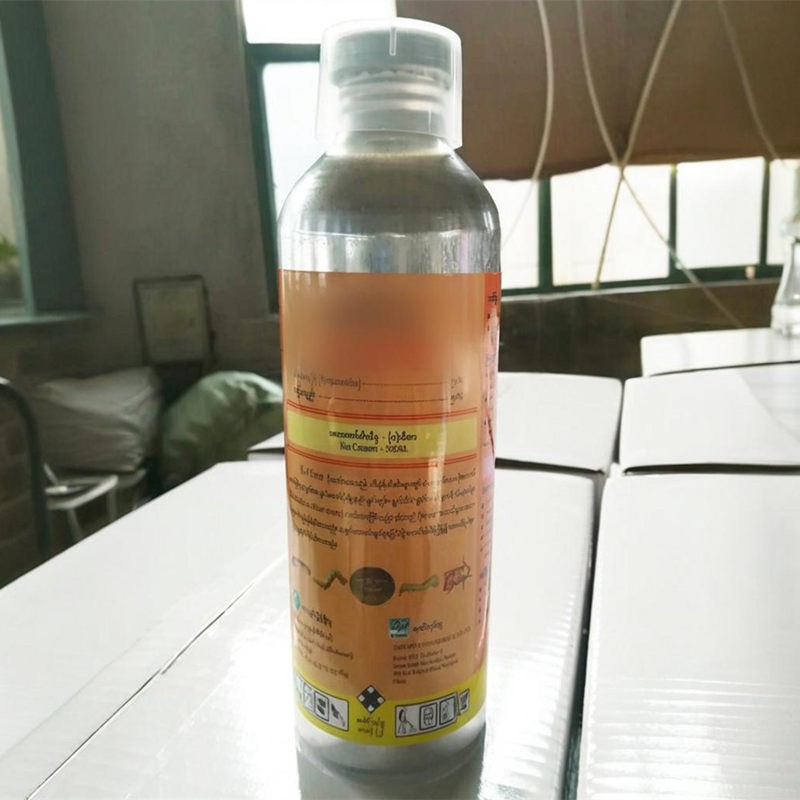
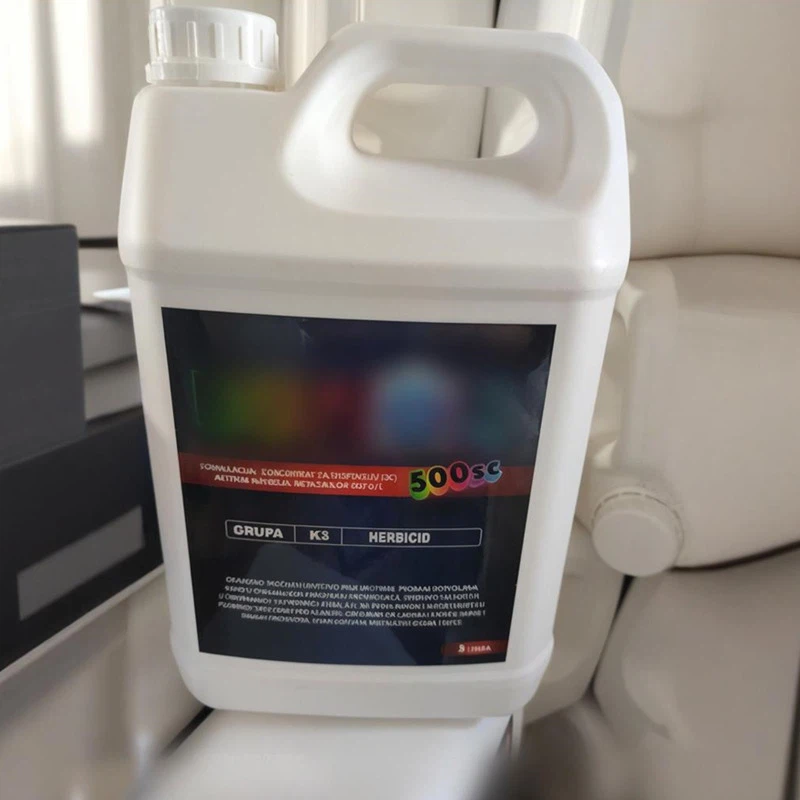
Our Product: Fluroxypyr 140G/L + Aminopyralid 10G/L EC
If you're looking for a high - quality fluroxypyr product, check out our Fluroxypyr 140G/L + Aminopyralid 10G/L EC. This formulation combines the power of fluroxypyr with aminopyralid, which can provide even better control of a wider range of broad - leaf weeds.
When using this product on your fruit trees, make sure to follow the label instructions carefully. The label will provide specific information about the application rate and the recommended safety interval.

Tips for Safe Use
Here are some tips to ensure you use fluroxypyr safely on your fruit trees.
1. Read the Label
This can't be stressed enough. The product label contains all the important information about how to use the herbicide safely, including the application rate, the target weeds, and the safety interval.
2. Use the Right Equipment
Make sure you use the correct spraying equipment to ensure an even application. This will help prevent over - application in some areas, which could increase the risk of residue.
3. Keep Records
Keep a record of when you apply fluroxypyr and the weather conditions at the time. This will help you accurately calculate the safety interval and ensure you don't harvest too soon.
Contact Us for More Information
If you have any questions about fluroxypyr, the safety intervals, or our Fluroxypyr 140G/L + Aminopyralid 10G/L EC product, don't hesitate to reach out. We're here to help you make the most of this herbicide while keeping your fruit trees and produce safe. Whether you're a small - scale orchard owner or a large - scale commercial grower, we can provide you with the information and support you need.
If you're interested in purchasing our fluroxypyr products, we'd love to have a chat with you. We can discuss your specific needs, the best application methods for your orchard, and any other concerns you might have. So, don't wait any longer. Let's start a conversation and see how we can work together to keep your fruit trees weed - free and healthy.
References
- Agricultural Chemicals Handbook. This handbook provides detailed information on various herbicides, including fluroxypyr, and their effects on different crops.
- Local agricultural extension bulletins. These are great sources of information tailored to your specific region and the types of fruit trees grown there.