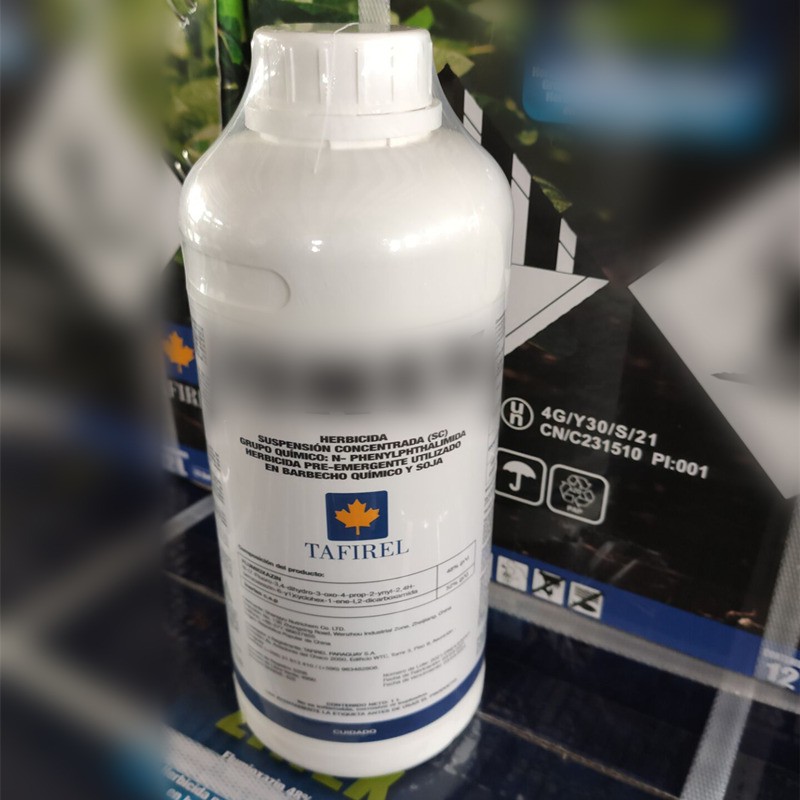
Hey there! As a bentazone supplier, I've seen firsthand how valuable this herbicide can be in controlling those pesky weeds in crops. But like any chemical product, it's super important to use bentazone safely. In this blog, I'll go over some key safety precautions when using bentazone.
Handling and Storage
First off, let's talk about how to handle and store bentazone. When you receive your Bentazone 480G/L SL Bentazone 480G/L SL, make sure to keep it in its original container. This container is designed to safely hold the product and has all the important labeling information.
Never transfer bentazone to an unmarked container. You wouldn't want to accidentally mix it up with something else or have someone not know what it is. Store it in a cool, dry place that's out of reach of children, pets, and unauthorized personnel. A locked storage cabinet or shed is a great option.
Also, keep it away from sources of heat, direct sunlight, and open flames. Bentazone can be flammable in certain conditions, so you don't want to take any chances. And make sure to separate it from other chemicals, especially those that could react with it.
Personal Protective Equipment (PPE)
When you're using bentazone, wearing the right personal protective equipment is a must. This includes gloves, goggles, a long - sleeved shirt, long pants, and a mask.
Gloves should be made of a chemical - resistant material like nitrile. They'll protect your hands from direct contact with the herbicide. Goggles are important to keep the product out of your eyes. If bentazone gets in your eyes, it can cause irritation or even more serious damage.
A long - sleeved shirt and long pants will prevent the herbicide from contacting your skin. Skin contact can lead to irritation, redness, or allergic reactions. And don't forget the mask! A respirator mask can protect you from inhaling the herbicide. Some bentazone forms may create dust or vapors, and inhaling these can be harmful to your respiratory system.
Mixing and Application
Mixing bentazone correctly is crucial for both safety and effectiveness. Always follow the instructions on the product label to mix it with the right amount of water or other carrier solutions. Use a clean mixing container and equipment. If you use dirty equipment, there could be residues of other chemicals that might react with bentazone.
When applying bentazone, use the appropriate equipment. This could be a sprayer for foliar application or a spreader for granular forms. Make sure the equipment is in good working condition and that there are no leaks.
During application, be aware of the weather conditions. Don't apply bentazone on a windy day. The wind can carry the herbicide to non - target areas, like neighboring gardens or water sources. Also, avoid applying it when it's about to rain. Rain can wash the herbicide away before it has a chance to work effectively and can also cause it to run off into water bodies.
First Aid Measures
Even with all the precautions, accidents can happen. So, it's important to know the first - aid measures for bentazone exposure.
If bentazone gets on your skin, immediately remove any contaminated clothing and wash the affected area with plenty of soap and water for at least 15 minutes. If you get it in your eyes, flush your eyes with clean, running water for at least 15 minutes, and keep your eyelids open. Seek medical attention right away.
If you inhale bentazone, move to an area with fresh air. If breathing problems persist, get medical help. And if you accidentally swallow bentazone, don't induce vomiting unless instructed by a medical professional. Call a poison control center or get to a hospital as soon as possible.
Environmental Considerations
As a responsible bentazone supplier, I also want to talk about the environmental impact. Bentazone can be harmful to aquatic life. So, keep it away from lakes, rivers, streams, and other water bodies.
When you're done with the application, don't dump the leftover herbicide or the rinse water from your equipment into drains or water sources. Instead, follow the proper disposal procedures on the product label. These procedures are designed to minimize the environmental impact.
Training and Education
Before using bentazone, it's a good idea to get some training. This can help you understand the safety precautions better and use the product correctly. You can find training materials on the product label, from the manufacturer's website, or even take a local agricultural safety course.

Educating your team members, if you're using bentazone in a larger operation, is also key. Everyone should know the safety rules and be aware of the potential risks. A well - informed team is a safe team.
Conclusion
In conclusion, using bentazone safely is all about being prepared, following the rules, and taking the necessary precautions. Whether it's handling and storage, wearing the right PPE, mixing and applying it correctly, knowing the first - aid measures, considering the environment, or getting proper training, every step is important.
If you're interested in purchasing bentazone for your herbicide needs, feel free to reach out. I'd be more than happy to discuss the product details and quantities you might need. Let's work together to keep your crops weed - free while keeping safety a top priority.
References
- Product label of Bentazone 480G/L SL
- General agricultural chemical safety guidelines