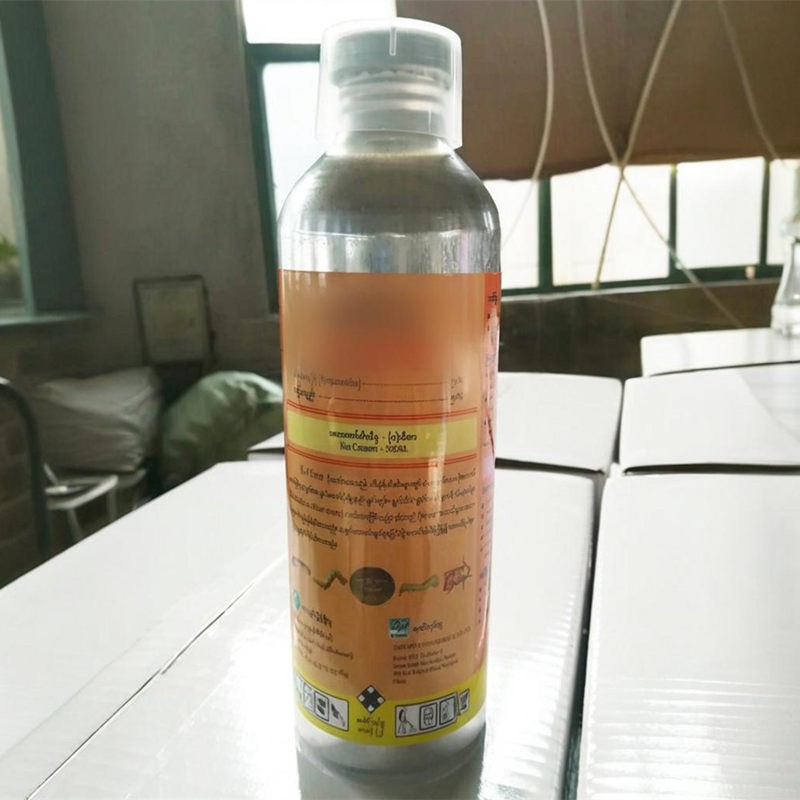
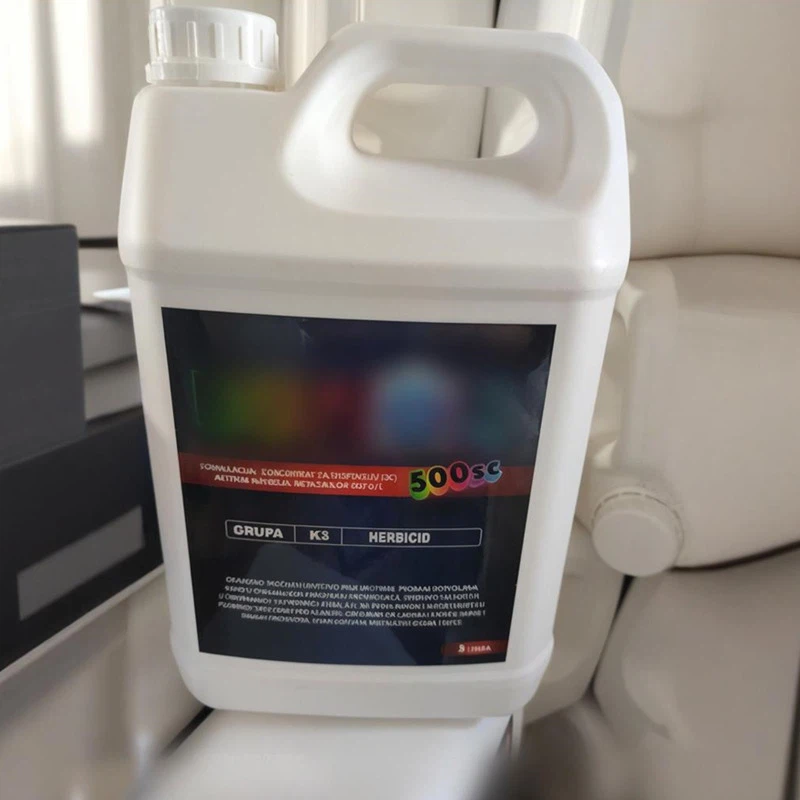
Clopyralid is a selective herbicide that has been a subject of interest in various agricultural and turf - management settings, including golf courses. As a clopyralid supplier, I often receive inquiries about its suitability for use on golf courses. In this blog, we will delve into the details of whether clopyralid can be used on golf courses, exploring its properties, benefits, potential drawbacks, and regulatory aspects.
Properties of Clopyralid
Clopyralid belongs to the pyridine carboxylic acid family of herbicides. It is a systemic herbicide, which means it is absorbed by the plant and translocated throughout its tissues. This property allows it to effectively target the roots, stems, and leaves of the targeted weeds, providing long - term control. Clopyralid is particularly effective against broad - leaf weeds such as thistles, clovers, and dandelions, which are common nuisances on golf courses.
One of the key advantages of clopyralid is its relatively low toxicity to mammals. When used according to the label instructions, it poses minimal risk to humans and non - target animals. This is an important consideration for golf courses, which are public spaces where people and wildlife may be present. Additionally, clopyralid has a relatively short half - life in soil, which means it breaks down over time and does not persist in the environment for extended periods.
Benefits of Using Clopyralid on Golf Courses
-
Weed Control
Golf courses require a high - quality turf surface, and weeds can significantly detract from the aesthetic appeal and playability of the course. Clopyralid can effectively control a wide range of broad - leaf weeds that commonly infest golf courses. By eliminating these weeds, it helps maintain a uniform and healthy turf, enhancing the overall appearance of the course.
For example, thistles are a common problem on golf courses. They have sharp spines that can cause injury to golfers and maintenance staff. Clopyralid can selectively target thistles without harming the surrounding grass, providing a safe and effective solution for weed control. -
Turf Health
Weeds compete with the turfgrass for nutrients, water, and sunlight. By controlling weeds, clopyralid allows the turfgrass to access these essential resources more efficiently. This promotes healthy growth and development of the turf, making it more resistant to diseases and environmental stresses. A healthy turf also requires less water and fertilizer, which can result in cost savings for the golf course management. -
Long - term Efficacy
As a systemic herbicide, clopyralid provides long - term control of weeds. Once absorbed by the plant, it can prevent regrowth for an extended period. This reduces the need for frequent herbicide applications, saving time and labor for the golf course maintenance team.
Potential Drawbacks of Using Clopyralid on Golf Courses
-
Non - target Effects
Although clopyralid is selective for broad - leaf weeds, there is a risk of non - target effects if not used properly. Some sensitive plants, such as certain ornamentals and legumes, may be affected by clopyralid. Golf courses often have landscaped areas with a variety of plants, and care must be taken to avoid spraying clopyralid near these sensitive species. -
Residue Concerns
Clopyralid can persist in the soil for a certain period, and there have been reports of residue issues in some cases. If the treated turf is removed and used for composting or mulching, the clopyralid residue may affect other plants in the compost or mulch. This can be a concern for golf courses that practice sustainable management and reuse of turf materials. -
Regulatory Restrictions
The use of clopyralid is regulated by various government agencies, and there may be specific restrictions on its use on golf courses. These regulations are in place to protect the environment and human health. Golf course managers need to be aware of these regulations and ensure that they are using clopyralid in compliance with the law.
Regulatory Aspects
In many countries, the use of pesticides, including clopyralid, is regulated by environmental protection agencies. These agencies set standards for the safe use, storage, and disposal of pesticides. Golf courses must obtain the necessary permits and follow the label instructions when using clopyralid.
For example, in the United States, the Environmental Protection Agency (EPA) regulates the use of pesticides. The EPA has established maximum residue limits for clopyralid in food and feed crops, and it also provides guidelines for the use of clopyralid in non - agricultural settings such as golf courses. Golf course managers need to ensure that they are using a product that is registered with the EPA and that they are following the recommended application rates and safety precautions.

Product Recommendation - Clopyralid 200G/L SL
As a clopyralid supplier, I would like to recommend our Clopyralid 200G/L SL product. This formulation is specifically designed for effective weed control in various turf - management settings, including golf courses. It has a high concentration of clopyralid, which ensures optimal performance.
The Clopyralid 200G/L SL product is easy to apply and has a low odor, which is an advantage for use in public areas such as golf courses. It provides long - lasting weed control, reducing the need for frequent applications. Additionally, it is formulated to minimize the risk of non - target effects, making it a safe choice for use on golf courses.
Conclusion
In conclusion, clopyralid can be a valuable tool for weed control on golf courses. It offers several benefits, including effective weed control, improved turf health, and long - term efficacy. However, it also has some potential drawbacks, such as non - target effects and residue concerns, and its use is subject to regulatory restrictions.
Golf course managers need to carefully consider these factors before deciding to use clopyralid. They should consult with a professional agronomist or turf specialist to determine the most appropriate weed control strategy for their course. If used correctly, clopyralid can help maintain a high - quality turf surface and enhance the overall experience for golfers.
If you are interested in learning more about our clopyralid products or would like to discuss your specific weed control needs for your golf course, please feel free to contact us. We are ready to assist you in finding the best solution for your turf - management challenges.
References
- American Society of Agronomy. (Year). Weed management in turfgrass.
- Environmental Protection Agency. (Year). Pesticide regulations and guidelines.
- Turfgrass Science Journal. (Year). Research on the use of herbicides in golf courses.