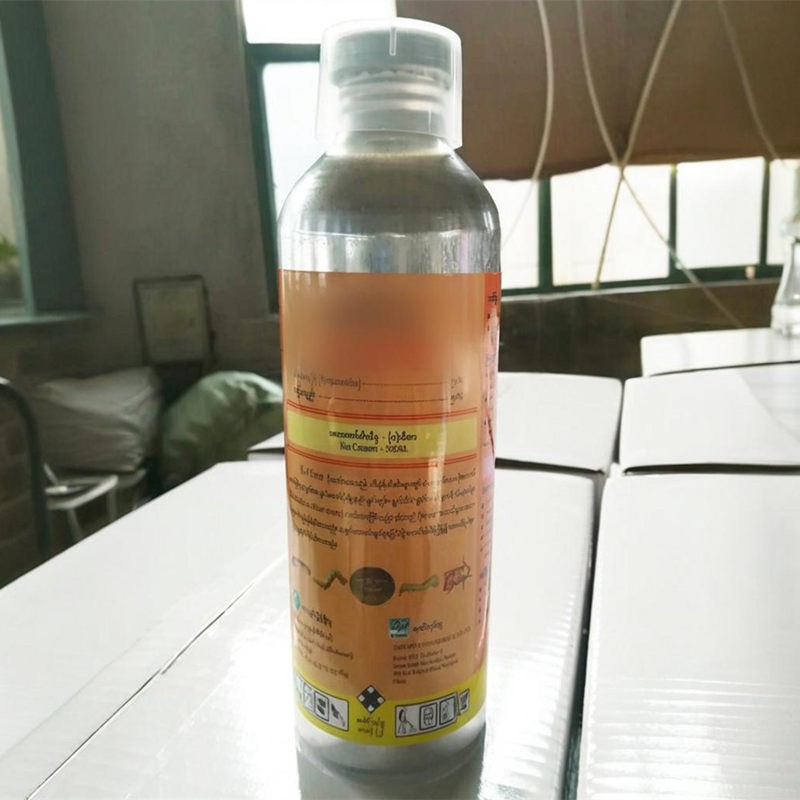
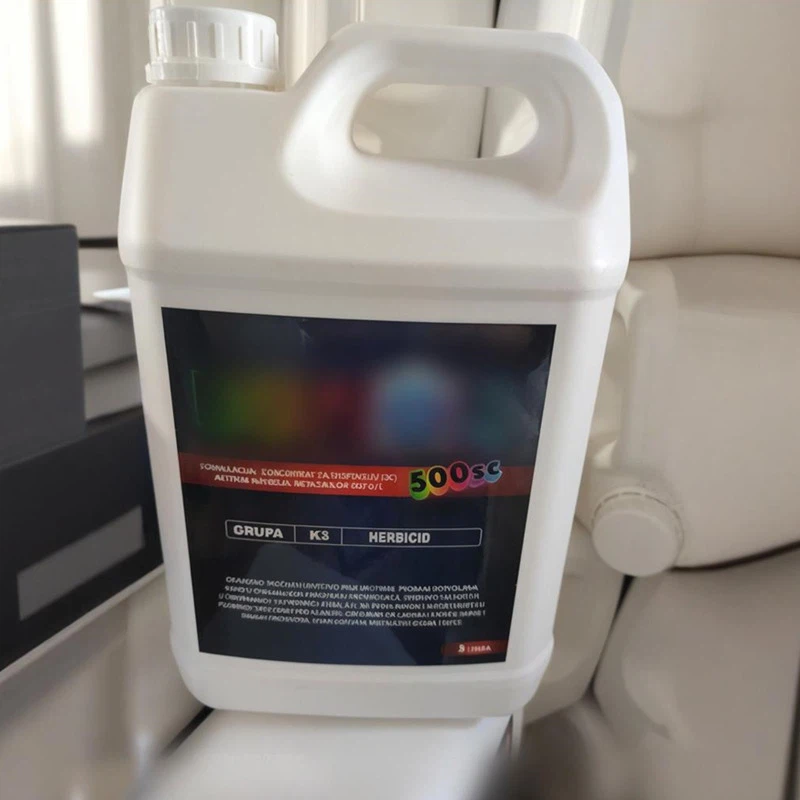
Carboxin is a well - known and widely used fungicide in the agricultural industry. As a carboxin supplier, I am often asked about the chemical formula of carboxin and its related chemical properties. In this blog, I will delve into the details of carboxin's chemical formula, its significance, and how it relates to the product we offer, such as Carboxin 100G/L + Thiram 100G/L SC.
The Chemical Formula of Carboxin
The chemical formula of carboxin is C₁₂H₁₃NO₂S. This formula represents the exact number and type of atoms that make up a single molecule of carboxin. Breaking it down, we can see that it consists of 12 carbon (C) atoms, 13 hydrogen (H) atoms, 1 nitrogen (N) atom, 2 oxygen (O) atoms, and 1 sulfur (S) atom.
The arrangement of these atoms in the molecule is crucial for its fungicidal activity. Carboxin belongs to the class of carboxamide fungicides. Its chemical structure contains a carboxamide group (-CONH -), which is a key functional group responsible for its mode of action. The presence of the sulfur atom also contributes to its unique chemical and biological properties.

Structural Features and Their Significance
The structure of carboxin can be visualized as a combination of different chemical moieties. The carboxamide group forms a strong bond with specific target sites in fungal cells. Fungi rely on certain enzymes and metabolic pathways for their growth and survival. Carboxin acts by inhibiting the succinate dehydrogenase enzyme in the fungal respiratory chain. This enzyme is essential for the production of energy in the form of ATP (adenosine triphosphate) in fungi. By blocking this enzyme, carboxin disrupts the energy - producing process in fungal cells, leading to their growth inhibition and eventual death.
The aromatic rings in the carboxin molecule also play an important role. They provide stability to the molecule and influence its solubility and reactivity. The hydrophobic nature of the aromatic rings allows carboxin to penetrate the cell membranes of fungi more easily. Once inside the fungal cell, it can reach its target site and exert its fungicidal effect.
Physical and Chemical Properties
Carboxin is a white to off - white crystalline solid. It has a melting point of around 91 - 92 °C. Its solubility in water is relatively low, but it is soluble in organic solvents such as acetone, chloroform, and methanol. These solubility properties are important for its formulation and application in agriculture.
In terms of chemical stability, carboxin is relatively stable under normal storage conditions. However, it can be affected by factors such as heat, light, and pH. Exposure to strong acids or bases can cause chemical degradation of carboxin. Therefore, proper storage and handling are necessary to maintain its efficacy.
Formulations and Applications
As a carboxin supplier, we offer carboxin in different formulations to meet the diverse needs of farmers and agricultural professionals. One of our popular products is Carboxin 100G/L + Thiram 100G/L SC. This formulation combines carboxin with thiram, another fungicide. The combination of these two fungicides provides a broader spectrum of activity against various fungal diseases.
Carboxin is mainly used for seed treatment. When seeds are treated with carboxin - containing formulations, a protective layer is formed around the seed. This layer prevents the attack of soil - borne fungi such as Rhizoctonia, Pythium, and Fusarium species. These fungi can cause damping - off, root rot, and other diseases in young plants, leading to poor germination and reduced crop yields. By using carboxin - treated seeds, farmers can ensure better seedling establishment and healthier crops.
In addition to seed treatment, carboxin can also be used for foliar applications in some cases. Foliar sprays of carboxin can protect the above - ground parts of plants from fungal infections. However, the mode of action and effectiveness may vary depending on the application method and the specific crop and disease.
Safety and Environmental Considerations
When using carboxin, it is important to follow safety guidelines. Carboxin is moderately toxic to mammals. It can cause irritation to the skin, eyes, and respiratory tract if proper protective equipment is not used during handling. Therefore, users should wear gloves, goggles, and masks when working with carboxin - containing products.
From an environmental perspective, carboxin has a relatively low persistence in the soil. It is gradually degraded by soil microorganisms and environmental factors. However, it is still important to use carboxin responsibly to minimize its impact on non - target organisms. For example, it should not be applied near water bodies to avoid contamination of aquatic ecosystems.
Quality Control in Production
As a carboxin supplier, we place a high emphasis on quality control. The production of carboxin involves a series of chemical synthesis steps. We ensure that each step is carried out under strict quality control measures to obtain a high - purity product. Our manufacturing process adheres to international standards and regulations.
We conduct various tests on the carboxin product, including chemical analysis to determine its purity, identity, and content. Physical properties such as melting point, solubility, and particle size are also carefully monitored. Only products that meet our high - quality standards are released to the market.
Conclusion
In conclusion, the chemical formula of carboxin, C₁₂H₁₃NO₂S, represents a molecule with unique chemical and biological properties. Its structure and functional groups are responsible for its fungicidal activity against a wide range of fungal pathogens. Our product Carboxin 100G/L + Thiram 100G/L SC combines the benefits of carboxin with thiram to provide effective protection for crops.
If you are a farmer, agricultural professional, or involved in the agricultural supply chain and are interested in our carboxin products, we invite you to contact us for more information and to discuss your specific requirements. We are committed to providing high - quality carboxin products and excellent customer service to help you achieve better crop yields and protect your crops from fungal diseases.
References
- Tomlin, C. D. S. (Ed.). (2009). The Pesticide Manual: A World Compendium. British Crop Protection Council.
- Sisler, H. D., & Pierce, R. D. (1981). Inhibition of succinate dehydrogenase by carboxin and related compounds. Pesticide Biochemistry and Physiology, 15(2), 133 - 141.