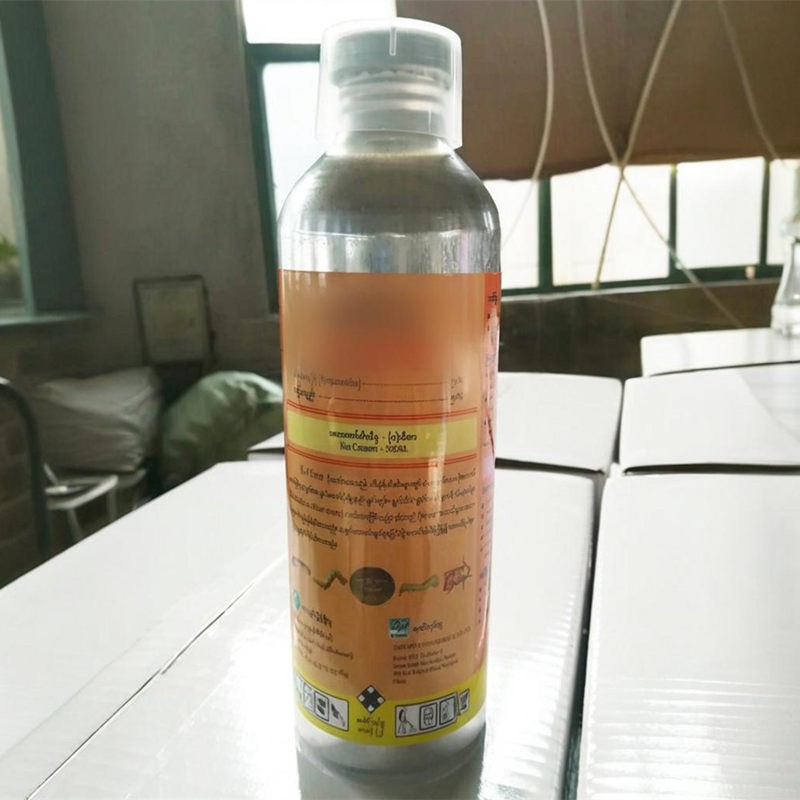
Metazachlor is a widely used herbicide known for its effectiveness in controlling a variety of weeds in different crops. As a supplier of metazachlor, I often get asked about its chemical structure, how it works, and its applications. In this blog post, I'll delve into the chemical structure of metazachlor, its mode of action, and why it's a valuable tool in modern agriculture.
Chemical Structure of Metazachlor
The chemical name of metazachlor is 2-chloro-N-(pyrazol-1-ylmethyl)acet-2',6'-xylidide. Its molecular formula is C₁₄H₁₅ClN₄O, and it has a molecular weight of approximately 290.75 g/mol. The chemical structure of metazachlor consists of several key functional groups that contribute to its herbicidal properties.
At the core of the molecule is a substituted aniline ring, specifically a 2,6-dimethylaniline group. This aromatic ring provides stability and contributes to the overall lipophilic nature of the molecule, allowing it to penetrate plant tissues effectively. The aniline nitrogen is connected to an amide group (-CONH-), which is a common functional group in many herbicides. The amide linkage is important for the molecule's biological activity as it can form hydrogen bonds with target proteins in plants.
On the other side of the amide group, there is a chloroacetyl group (-COCH₂Cl). The chlorine atom in this group is crucial for the herbicidal action of metazachlor. It can react with nucleophilic groups in plant cells, leading to the inhibition of key enzymes involved in plant growth and development.
Another important part of the metazachlor structure is the pyrazole ring. The pyrazole group is attached to the amide nitrogen via a methylene bridge (-CH₂-). The pyrazole ring adds to the molecule's selectivity and can influence its binding affinity to specific target sites in plants.
Mode of Action
Metazachlor acts primarily as a pre-emergence herbicide, meaning it is applied to the soil before the weeds germinate. Once in the soil, metazachlor is taken up by the germinating weed seeds and seedlings through the roots and shoots.
The chloroacetyl group in metazachlor reacts with sulfhydryl (-SH) groups in plant proteins, particularly those involved in fatty acid and lipid synthesis. By inhibiting these enzymes, metazachlor disrupts the normal growth and development of weeds. This leads to the inhibition of cell division, root and shoot elongation, and ultimately, the death of the weed seedlings.
One of the key advantages of metazachlor is its selectivity. It can effectively control a wide range of annual grasses and broadleaf weeds while being relatively safe for many crops. This selectivity is due in part to the differences in the uptake, metabolism, and sensitivity of crops and weeds to metazachlor. Crops such as oilseed rape, maize, and sugar beet have mechanisms to detoxify metazachlor or are less sensitive to its mode of action, allowing them to tolerate the herbicide at recommended application rates.
Applications
Metazachlor is used in a variety of agricultural settings to control weeds in different crops. In oilseed rape, it is commonly used to control weeds such as wild oats, blackgrass, and cleavers. By applying metazachlor as a pre-emergence treatment, farmers can prevent weed competition during the critical early growth stages of the crop, leading to higher yields and better-quality harvests.
In maize production, metazachlor can be used to control annual grasses and broadleaf weeds, providing effective weed control without causing significant damage to the maize plants. Similarly, in sugar beet cultivation, metazachlor helps to keep the fields weed-free, ensuring optimal growth and development of the sugar beet crop.
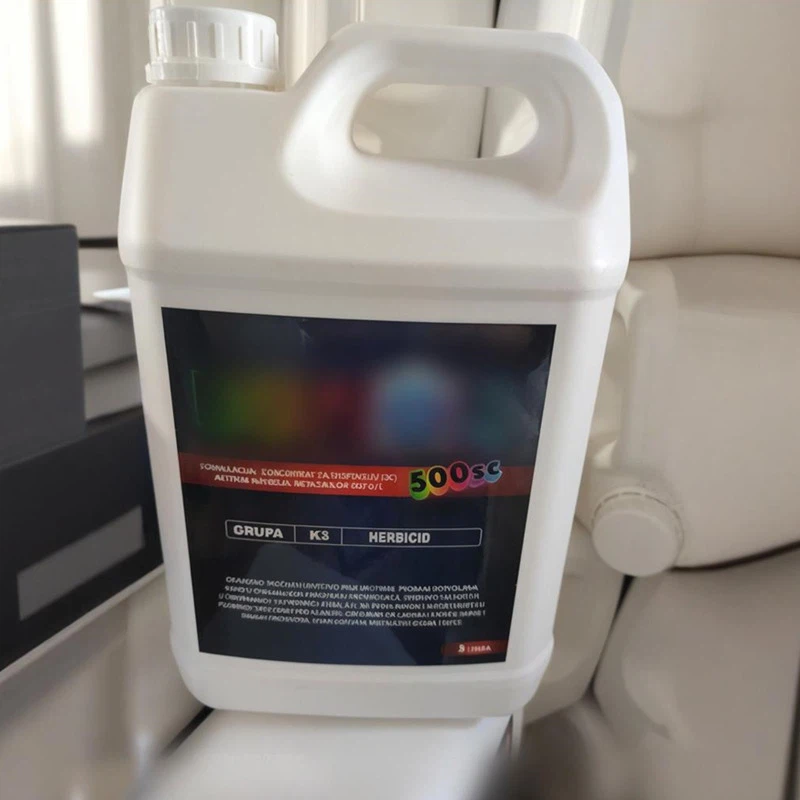
We offer Metazachlor 500 G/L SC, a high-quality formulation of metazachlor that is easy to apply and provides reliable weed control. Our product is formulated to ensure maximum efficacy and safety, and it meets the highest industry standards.
Environmental and Safety Considerations
Like all herbicides, metazachlor should be used in accordance with the label instructions to minimize its impact on the environment and non-target organisms. When used correctly, metazachlor has a relatively low toxicity to mammals, birds, and fish. However, it is important to follow proper safety precautions during handling, mixing, and application to protect human health and the environment.
Metazachlor is relatively stable in the soil and has a moderate persistence. It is gradually degraded by microbial activity and environmental factors such as sunlight and moisture. To reduce the potential for environmental contamination, it is recommended to avoid over-application and to follow best management practices for herbicide use.
Conclusion
The chemical structure of metazachlor plays a crucial role in its herbicidal activity and selectivity. Its unique combination of functional groups allows it to effectively control a wide range of weeds while being relatively safe for many crops. As a supplier of metazachlor, we are committed to providing high-quality products that meet the needs of modern agriculture.
If you are interested in purchasing metazachlor for your agricultural operations, we invite you to contact us for more information and to discuss your specific requirements. Our team of experts is ready to assist you in finding the right solution for your weed control needs.
References
- Tomlin, C. D. S. (Ed.). (2009). The Pesticide Manual: A World Compendium (15th ed.). British Crop Protection Council.
- Duke, S. O. (2012). Herbicide Handbook (10th ed.). Weed Science Society of America.
- European Food Safety Authority (EFSA). (2013). Conclusion on the peer review of the pesticide risk assessment of the active substance metazachlor. EFSA Journal, 11(11), 3479.