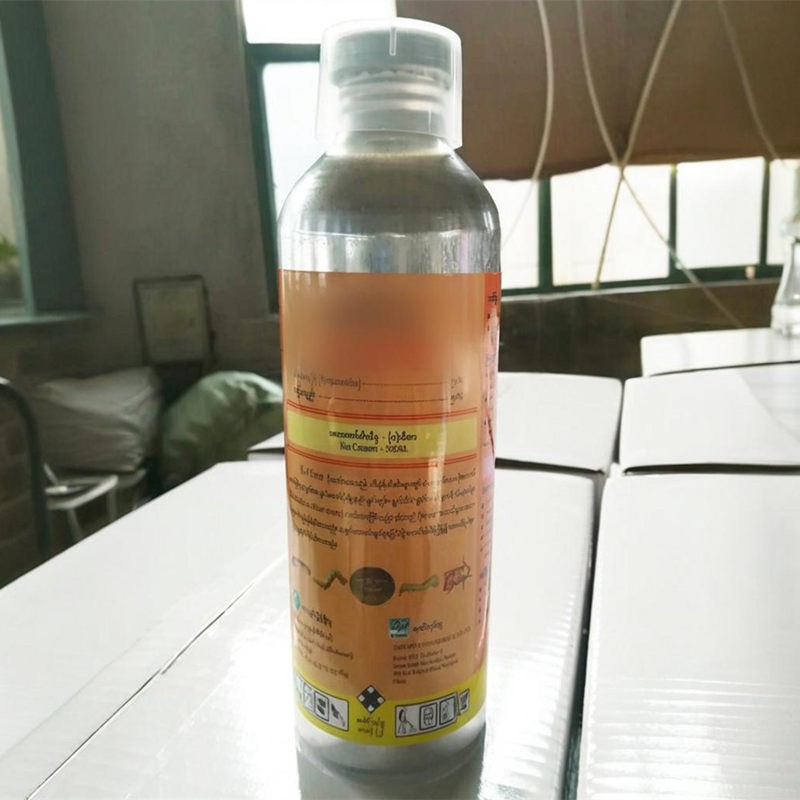
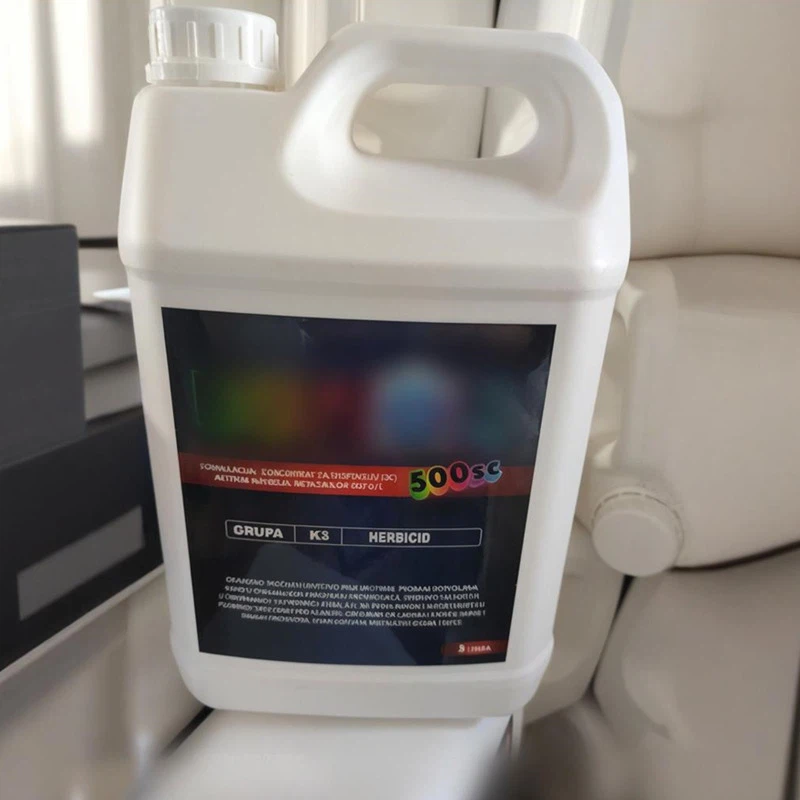
Fipronil is a broad - spectrum phenylpyrazole insecticide known for its high efficiency in controlling a wide range of pests. As a fipronil supplier, I often receive inquiries about its potential use in fish farms. This blog aims to comprehensively explore whether fipronil can be used in fish farms, taking into account scientific, environmental, and regulatory aspects.
1. The Properties and Mechanism of Fipronil
Fipronil acts by disrupting the insect's central nervous system. It targets the gamma - aminobutyric acid (GABA) - gated chloride channels and glutamate - gated chloride channels, which are crucial for nerve impulse transmission. By binding to these channels, fipronil blocks the influx of chloride ions, leading to over - excitation of the nerve cells and ultimately the death of the pest.
Fipronil is available in various formulations, such as Fipronil 200G/L SC. This formulation is designed for easy application and has been widely used in agricultural and pest control settings.
2. Potential Applications in Fish Farms
Parasite Control
One of the primary concerns in fish farms is the control of parasites. Some external parasites, such as sea lice in salmon farms, can cause significant damage to fish health, reduce growth rates, and even lead to high mortality. Fipronil's insecticidal properties suggest that it could potentially be effective against these parasites. In theory, it could disrupt the nervous systems of the parasites, killing them and protecting the fish.
Pest Management in Pond Environments
Fish ponds may also be infested with various pests, including insects and crustaceans that can compete with fish for food or carry diseases. Fipronil could be used to manage these pests, creating a more favorable environment for fish growth.

3. Risks Associated with Using Fipronil in Fish Farms
Toxicity to Fish
Although fipronil is designed to target insects, it can also have toxic effects on fish. Studies have shown that fipronil can cause a range of adverse effects on fish, including reduced swimming ability, abnormal behavior, and even death. The toxicity of fipronil to fish is dose - dependent, and even low concentrations can have sub - lethal effects on fish physiology and development.
Environmental Impact
Fipronil is relatively persistent in the environment. It can bioaccumulate in the tissues of aquatic organisms, including fish, and can also contaminate water sources. Once released into the aquatic environment, fipronil can have long - term impacts on the entire ecosystem. It may affect non - target organisms, such as zooplankton, benthic invertebrates, and other beneficial insects that play important roles in the food chain.
Regulatory Restrictions
In many countries and regions, the use of fipronil in fish farms is strictly regulated or even prohibited. Regulatory agencies are concerned about the potential risks to fish health, human health (through the consumption of contaminated fish), and the environment. For example, the European Union has imposed strict limits on the use of fipronil in food - producing animals, including fish.
4. Alternatives to Fipronil in Fish Farms
Biological Control
Biological control methods involve using natural enemies of the pests to control their populations. For example, some species of cleaner fish can be introduced into fish farms to eat parasites off the skin of the farmed fish. This method is environmentally friendly and does not involve the use of chemical pesticides.
Herbal and Natural Products
There are also a number of herbal and natural products that have shown potential in controlling parasites in fish farms. These products are often less toxic to fish and the environment compared to synthetic pesticides. For example, certain plant extracts have been found to have anti - parasitic properties and can be used as an alternative to fipronil.
5. Case Studies and Research Findings
Several research studies have investigated the effects of fipronil on fish and aquatic ecosystems. A study conducted in a laboratory setting found that exposure to fipronil at low concentrations led to changes in the antioxidant enzyme activities of fish, indicating oxidative stress. Another field study in a fish - pond environment showed that the application of fipronil had a negative impact on the diversity of benthic invertebrates.
In some cases, fish farms that have used fipronil without proper authorization have faced legal consequences and damage to their reputation. These case studies highlight the importance of following regulatory guidelines and considering the potential risks before using fipronil in fish farms.
6. Conclusion and Consideration for Use
In conclusion, while fipronil has the potential to be used for pest and parasite control in fish farms, the risks associated with its use are significant. The toxicity to fish, environmental impact, and regulatory restrictions make it a challenging option.
Before considering the use of fipronil in fish farms, it is essential to conduct a thorough risk - benefit analysis. If there are no other viable alternatives and the use of fipronil is in line with local regulations, it should be used with extreme caution. Strict monitoring of fish health, water quality, and the overall ecosystem should be carried out during and after the application of fipronil.
As a fipronil supplier, I understand the need for effective pest control solutions in fish farms. However, I also emphasize the importance of using our products responsibly. If you are interested in exploring the potential use of fipronil in a non - fish - farm context or have other pest control needs where fipronil is a suitable option, please feel free to contact us for further discussion and procurement. We can provide you with detailed information about our products and help you make informed decisions.
References
- [List of relevant scientific papers on fipronil toxicity to fish and aquatic ecosystems]
- [Regulatory documents from different countries and regions regarding the use of fipronil in food - producing animals]
- [Case studies on the use and impact of fipronil in fish farms]