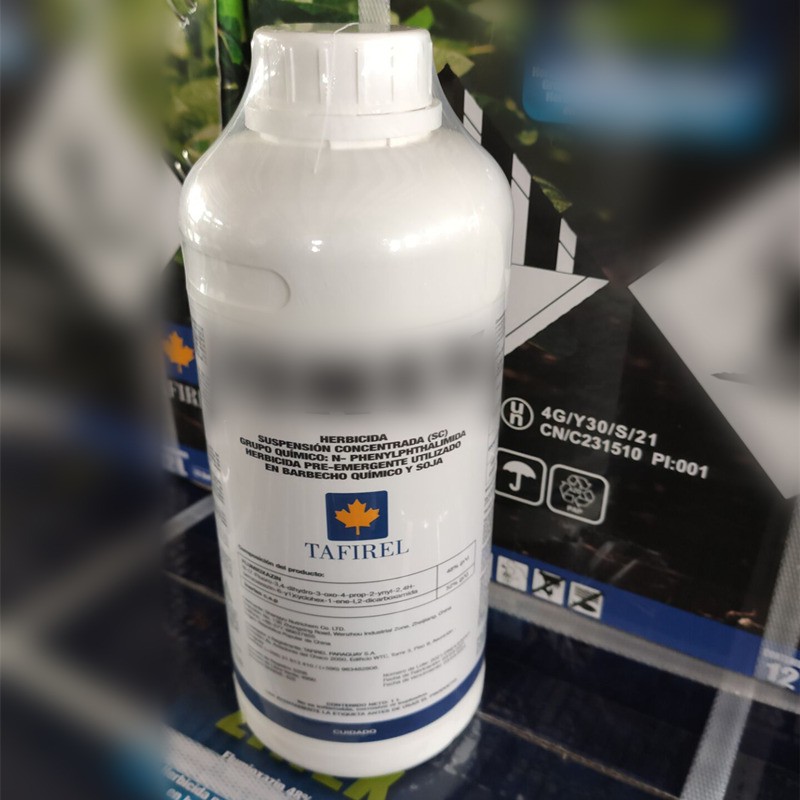
Fluroxypyr is a well - known herbicide in the agricultural and land management sectors. As a supplier of fluroxypyr, I often receive inquiries about its applicability in various settings, and one common question is whether it can be used in pasturelands.
Understanding Fluroxypyr
Fluroxypyr belongs to the pyridine carboxylic acid family of herbicides. It is highly effective against a wide range of broad - leaf weeds. Its mode of action involves disrupting the normal growth processes of susceptible plants. When applied, fluroxypyr is absorbed by the leaves and roots of the target weeds and then translocated throughout the plant. This leads to abnormal cell division and growth, ultimately causing the death of the weed.
One of the key advantages of fluroxypyr is its selectivity. It can target broad - leaf weeds while generally having minimal impact on grasses. This selectivity is crucial in pasturelands where the goal is to control unwanted broad - leaf plants without harming the valuable forage grasses that livestock depend on.
The Need for Weed Control in Pasturelands
Pasturelands are home to a diverse range of plant species. While many of these plants contribute to a healthy and productive pasture, some broad - leaf weeds can be problematic. Weeds can compete with forage grasses for essential resources such as water, nutrients, and sunlight. This competition can reduce the overall productivity of the pasture, leading to lower quality and quantity of forage available for livestock.
Some broad - leaf weeds may also be toxic to livestock. For example, certain species of ragwort contain alkaloids that can cause liver damage in horses and cattle if ingested. Controlling these weeds is not only important for maintaining the productivity of the pasture but also for ensuring the health and well - being of the animals.
Can Fluroxypyr be Used in Pasturelands?
The answer is yes, fluroxypyr can be used in pasturelands, but with certain considerations.
Efficacy
Fluroxypyr has shown excellent efficacy against many common broad - leaf weeds found in pasturelands. It can effectively control species such as dandelions, thistles, clover (in some cases where over - growth is a problem), and various other broad - leaf invaders. When applied at the appropriate rate and time, it can significantly reduce the weed population, allowing the forage grasses to thrive.
Selectivity
As mentioned earlier, fluroxypyr's selectivity towards broad - leaf weeds makes it a suitable choice for pasturelands. It can target the unwanted plants without causing significant damage to the grass species that are the mainstay of the pasture. This is especially important as maintaining the health of the forage grasses is essential for the long - term productivity of the pasture.
Application Timing
Proper application timing is crucial when using fluroxypyr in pasturelands. It is generally recommended to apply the herbicide when the weeds are actively growing. This is usually in the spring or early summer when the weeds are in the vegetative stage. Applying fluroxypyr during this period ensures that the herbicide is effectively absorbed by the weeds, leading to better control.
Application Rate
The application rate of fluroxypyr also needs to be carefully considered. Applying too low a rate may not provide adequate weed control, while applying too high a rate can increase the risk of damage to non - target plants and may also have environmental implications. The specific application rate will depend on factors such as the type of weeds present, the density of the weed population, and the type of pasture.
Product Recommendation: Fluroxypyr 140G/L + Aminopyralid 10G/L EC
For those looking for an effective solution for weed control in pasturelands, I would recommend Fluroxypyr 140G/L + Aminopyralid 10G/L EC. This formulation combines the benefits of fluroxypyr with aminopyralid, another powerful herbicide.

Aminopyralid has a similar mode of action to fluroxypyr and is effective against a wide range of broad - leaf weeds, including some that are particularly difficult to control. The combination of the two herbicides provides enhanced weed control, especially against more persistent and hard - to - kill weeds.
Environmental Considerations
When using fluroxypyr in pasturelands, it is important to consider the environmental impact. Fluroxypyr is relatively low in toxicity to mammals, birds, and fish when used according to the label instructions. However, it can be toxic to some aquatic invertebrates. Therefore, care should be taken to avoid spray drift into water bodies such as ponds, streams, and rivers.
Proper disposal of empty herbicide containers is also essential to prevent environmental contamination. It is recommended to follow the local regulations regarding the disposal of pesticide containers.
Resistance Management
As with any herbicide, there is a risk of weed resistance developing over time. To manage this risk, it is advisable to use fluroxypyr as part of an integrated weed management (IWM) program. This may include practices such as mechanical weed control (e.g., mowing), grazing management, and rotating herbicides with different modes of action. By using multiple strategies, the selection pressure on the weeds is reduced, and the development of resistance can be delayed.
Contact for Purchase and Consultation
If you are interested in using fluroxypyr or the Fluroxypyr 140G/L + Aminopyralid 10G/L EC formulation for your pasturelands, I encourage you to contact us for more information. We can provide detailed product specifications, application guidelines, and answer any questions you may have. Whether you are a small - scale farmer or a large - scale rancher, we are committed to helping you achieve effective and sustainable weed control in your pasturelands.
References
- Anonymous. "Herbicide Handbook." Weed Science Society of America, [Year of publication].
- Smith, J. "Selective Herbicide Use in Pasturelands." Journal of Agricultural Science, Vol. [Volume number], No. [Issue number], [Year], pp. [Page range].
- Johnson, R. et al. "Environmental Impact of Pyridine Carboxylic Acid Herbicides." Environmental Science and Technology, Vol. [Volume number], No. [Issue number], [Year], pp. [Page range].