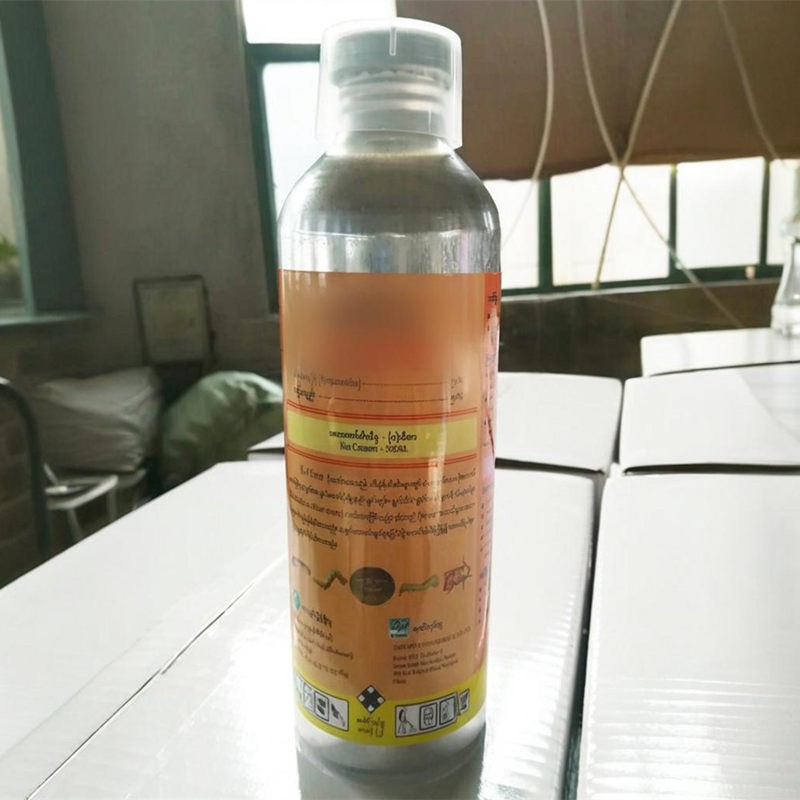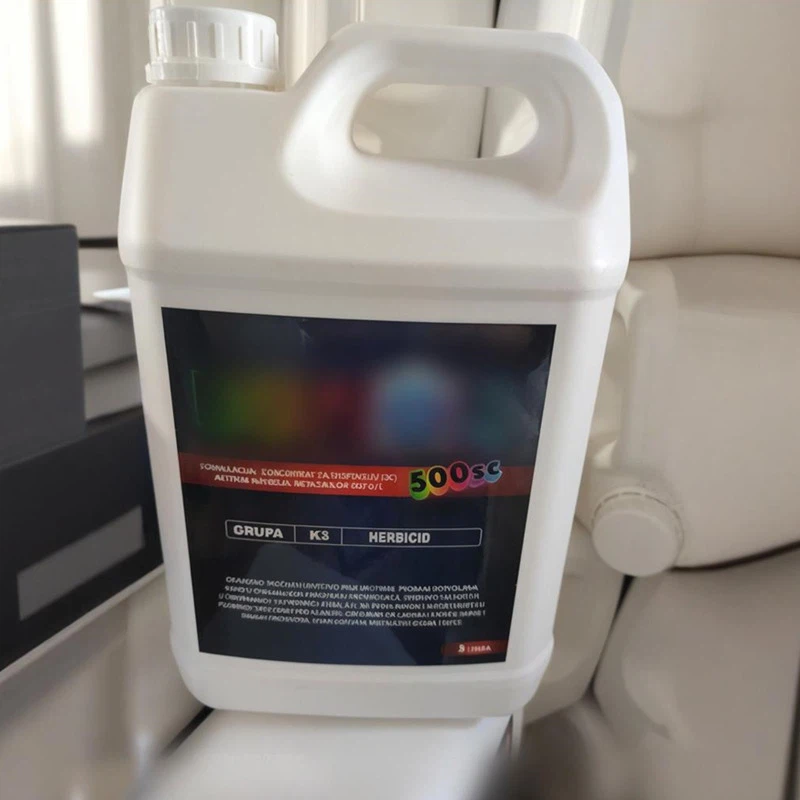
Imazapic is a widely used herbicide known for its effectiveness in controlling a variety of broadleaf weeds and grasses in different crops. As an imazapic supplier, I often receive inquiries from farmers, agricultural professionals, and even gardeners about whether imazapic can be mixed with other herbicides. In this blog post, I'll delve into the science behind herbicide mixing, the potential benefits and risks of mixing imazapic with other herbicides, and provide some guidelines based on current research and industry best practices.
Understanding Herbicide Mixing
Herbicide mixing, also known as tank - mixing, is a common practice in agriculture. The main reasons for mixing herbicides include broadening the spectrum of weed control, reducing the number of field operations, and potentially enhancing the overall efficacy of weed management. When herbicides are mixed, they should ideally complement each other in terms of their mode of action, target weeds, and application conditions.
However, not all herbicides can be safely mixed. Chemical incompatibilities can occur, leading to reduced efficacy, precipitation in the spray tank, or even phytotoxicity to the crops. Therefore, before mixing any herbicides, it's crucial to understand their chemical properties, mode of action, and label instructions.
Can Imazapic Be Mixed with Other Herbicides?
The short answer is yes, imazapic can be mixed with certain other herbicides, but it depends on several factors.
Compatibility with Herbicides of Different Modes of Action
Imazapic belongs to the imidazolinone family of herbicides, which work by inhibiting the enzyme acetolactate synthase (ALS). Mixing imazapic with herbicides that have different modes of action can be beneficial. For example, combining it with a herbicide that targets the photosystem II, such as atrazine, can provide a broader spectrum of weed control. Atrazine is effective against many broadleaf weeds and some grasses by interfering with photosynthesis. When mixed with imazapic, it can help control weeds that may be resistant to imazapic alone, as well as those that are not well - controlled by imazapic due to differences in their biology.
Another example is mixing imazapic with glyphosate. Glyphosate is a non - selective herbicide that inhibits the enzyme 5 - enolpyruvylshikimate - 3 - phosphate synthase (EPSPS). In some situations, such as in pre - plant or non - crop areas, a mixture of imazapic and glyphosate can provide both residual and post - emergent weed control. Glyphosate quickly kills existing weeds, while imazapic remains in the soil to prevent new weed growth.
Compatibility with Herbicides of Similar Modes of Action
Mixing imazapic with other imidazolinone herbicides, such as Imazethapyr 100G/L SL, can be a bit more complicated. While they have the same mode of action, they may have different weed spectra and application rates. In some cases, a mixture of imazapic and imazethapyr can be used to increase the efficacy against specific weeds. However, there is a higher risk of selecting for ALS - resistant weeds when using herbicides with the same mode of action in combination. Therefore, this type of mixture should be used judiciously and as part of an integrated weed management strategy.
Factors to Consider Before Mixing
Chemical Compatibility
Before mixing imazapic with any other herbicide, it's essential to check for chemical compatibility. Some herbicides may react with imazapic, causing precipitation, changes in pH, or other chemical reactions that can reduce the effectiveness of the herbicide mixture. A simple jar test can be conducted. Take small amounts of the herbicides to be mixed in a clear container, add water, and observe for any signs of precipitation, separation, or foaming. If any of these occur, the herbicides are likely not compatible and should not be mixed.
Weed Spectrum
The target weed spectrum is another important factor. Different herbicides have different levels of effectiveness against various weed species. When mixing imazapic with other herbicides, it's important to ensure that the mixture will effectively control the weeds present in the field. For example, if the field has a high population of ALS - resistant weeds, a mixture that includes a herbicide with a different mode of action should be considered.
Crop Safety
The safety of the crop being treated is of utmost importance. Some herbicide mixtures may cause phytotoxicity to certain crops. Always refer to the herbicide labels for information on crop safety. For example, some crops may be more sensitive to imazapic or other herbicides in the mixture, and the application rate and timing may need to be adjusted accordingly.
Application Conditions
The application conditions, such as temperature, humidity, and soil type, can also affect the performance of the herbicide mixture. Some herbicides may be less effective or more likely to cause phytotoxicity under certain environmental conditions. For example, applying herbicides in hot and dry conditions may increase the risk of herbicide injury to the crop. Therefore, it's important to choose the right time and conditions for herbicide application.
Benefits of Mixing Imazapic with Other Herbicides
Broadened Weed Control
As mentioned earlier, one of the main benefits of mixing imazapic with other herbicides is the ability to control a wider range of weed species. Different herbicides have different target weeds, and by combining them, farmers can achieve more comprehensive weed management.
Resistance Management
Mixing herbicides with different modes of action can help delay the development of herbicide resistance. When weeds are exposed to herbicides with multiple modes of action, it's less likely that they will develop resistance to all of them simultaneously. This is an important strategy in the long - term sustainability of weed control.
Reduced Application Costs
By mixing herbicides, farmers can reduce the number of field operations. Instead of applying different herbicides separately, a single application of a herbicide mixture can achieve the same or better results, saving time and money on labor and equipment.
Risks of Mixing Imazapic with Other Herbicides
Chemical Incompatibility
As discussed, chemical incompatibility can lead to reduced efficacy, clogging of spray equipment, and other problems. If the herbicides are not properly mixed, the active ingredients may not be evenly distributed in the spray solution, resulting in uneven weed control.
Phytotoxicity
There is a risk of phytotoxicity to the crop when herbicides are mixed. Some herbicide mixtures may be more likely to cause injury to the crop, especially if the application rate is too high or the crop is sensitive to one or more of the herbicides in the mixture.

Environmental Impact
Mixing herbicides can increase the overall amount of chemicals released into the environment. It's important to ensure that the herbicide mixture is used in accordance with environmental regulations and best practices to minimize the impact on non - target organisms and the environment.
Guidelines for Mixing Imazapic with Other Herbicides
Read the Labels
Always read the labels of all herbicides to be mixed carefully. The labels provide important information on compatibility, application rates, crop safety, and environmental precautions. Follow the instructions on the labels strictly to ensure the safe and effective use of the herbicide mixture.
Consult with Experts
If you're unsure about whether imazapic can be mixed with a particular herbicide, consult with agricultural extension agents, agronomists, or the herbicide manufacturers. They can provide you with more specific information based on your local conditions and the crops you're growing.
Conduct a Small - Scale Test
Before applying the herbicide mixture to a large area, conduct a small - scale test on a small portion of the field. This can help you determine the effectiveness of the mixture and identify any potential problems, such as phytotoxicity, before it's too late.
Conclusion
In conclusion, imazapic can be mixed with other herbicides, but it requires careful consideration of several factors. When done correctly, mixing imazapic with other herbicides can provide broadened weed control, help manage herbicide resistance, and reduce application costs. However, it's important to be aware of the potential risks, such as chemical incompatibility, phytotoxicity, and environmental impact.
If you're interested in purchasing imazapic or learning more about herbicide mixtures, I encourage you to reach out for a procurement discussion. Our team of experts can provide you with more detailed information and help you develop a customized weed control solution based on your specific needs.
References
- Shaner, D. L. (2014). Herbicide Handbook. Weed Science Society of America.
- Green, J. M., & Owen, M. D. K. (2011). Herbicide Resistance and Resistance Management. John Wiley & Sons.