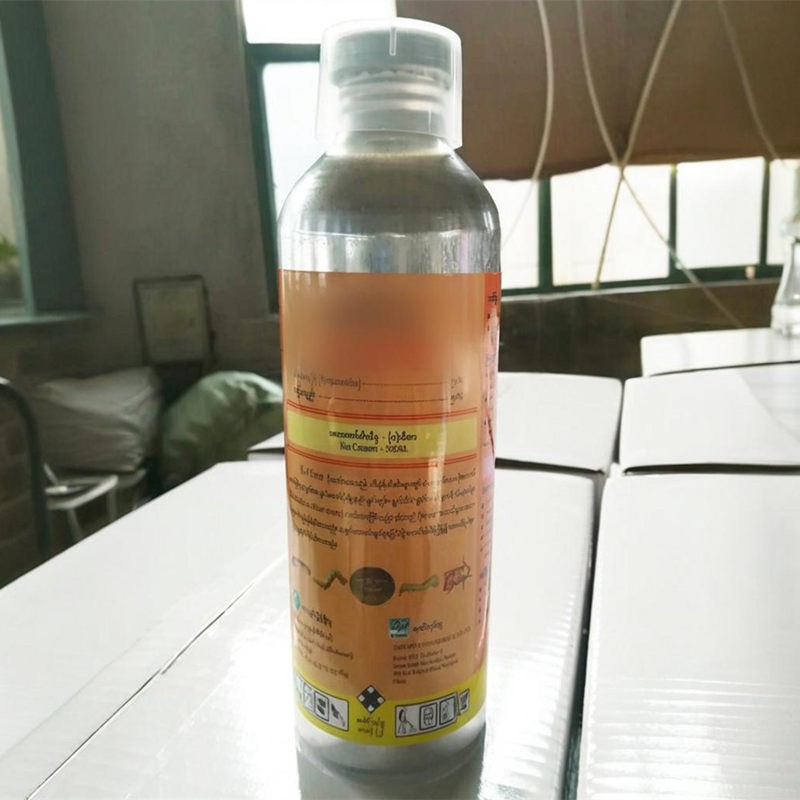
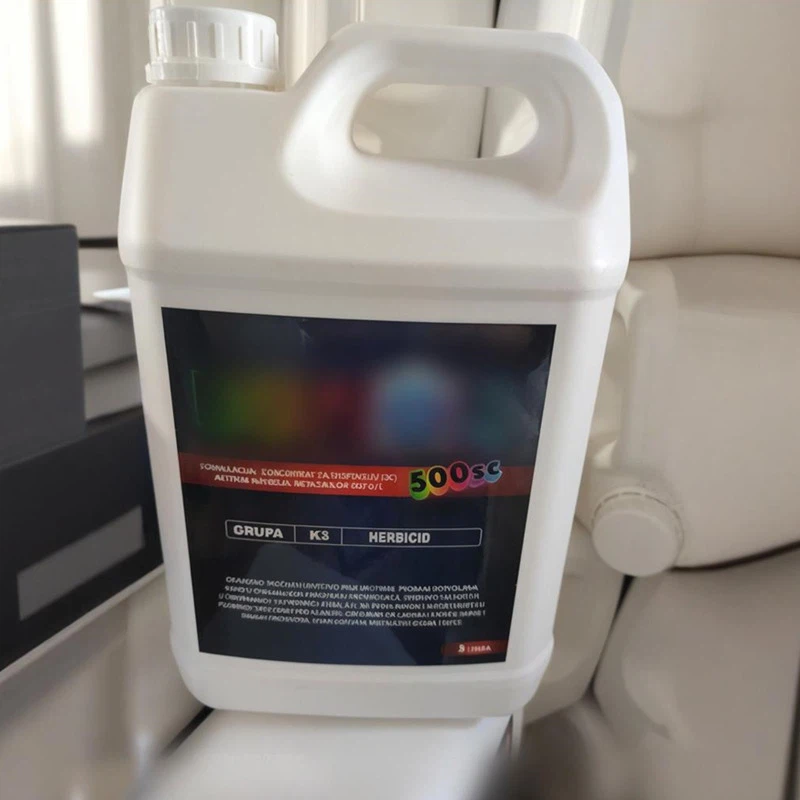
Can imazapic be used in rice fields? This is a question that many farmers and agricultural professionals often ask. As a supplier of imazapic, I am here to provide you with a comprehensive and scientific analysis of this topic.
Imazapic is a herbicide belonging to the imidazolinone family. It is known for its broad - spectrum activity against many annual and perennial grass and broadleaf weeds. Its mode of action involves inhibiting the acetolactate synthase (ALS) enzyme, which is essential for the biosynthesis of branched - chain amino acids in plants. This inhibition leads to the disruption of protein synthesis and ultimately the death of the targeted weeds.
Suitability of Imazapic in Rice Fields
Weed Control Efficacy
Rice fields are often infested with a variety of weeds, including barnyardgrass, red sprangletop, and various broadleaf weeds. Imazapic has shown good efficacy against many of these weeds. For example, in some studies, it has been found to effectively control barnyardgrass, which is one of the most troublesome weeds in rice cultivation. By targeting the ALS enzyme in these weeds, imazapic can prevent their growth and development, thus reducing competition for nutrients, water, and sunlight with the rice plants.
However, the efficacy of imazapic can be influenced by several factors. The growth stage of the weeds is crucial. Generally, imazapic is more effective when applied to young and actively growing weeds. The environmental conditions at the time of application, such as temperature, humidity, and soil moisture, also play a role. Optimal conditions ensure better uptake and translocation of the herbicide within the weed plants.
Safety for Rice Plants
The safety of imazapic for rice plants is a major concern. Different rice varieties may have different sensitivities to imazapic. Some imidazolinone - resistant rice varieties have been developed, which can tolerate imazapic applications. These varieties have a mutated ALS enzyme that is less sensitive to the herbicide, allowing the rice plants to survive while the weeds are controlled.
For non - resistant rice varieties, the use of imazapic may cause phytotoxicity. Symptoms of phytotoxicity can include stunting, yellowing of leaves, and reduced tillering. Therefore, it is essential to carefully select the appropriate rice variety and follow the recommended application rates and timings when considering using imazapic in rice fields.
Application Guidelines
Application Rates
The recommended application rate of imazapic in rice fields depends on several factors, such as the type of weeds, the growth stage of the weeds, and the rice variety. In general, lower rates are used for pre - emergence applications, while higher rates may be required for post - emergence applications to control more established weeds. It is crucial to follow the product label instructions precisely to ensure effective weed control and minimize the risk of phytotoxicity.
Application Timing
Pre - emergence applications of imazapic can be made before the rice seeds germinate or soon after sowing. This helps to prevent the emergence of weeds. Post - emergence applications are usually made when the weeds have reached a certain growth stage, typically the 2 - 4 leaf stage. Applying imazapic at the right time is critical for achieving the best results.
Application Methods
Imazapic can be applied as a foliar spray or through soil incorporation. Foliar sprays are commonly used for post - emergence applications, as they allow the herbicide to come into direct contact with the leaves of the weeds. Soil incorporation is more suitable for pre - emergence applications, as it helps to distribute the herbicide evenly in the soil and provides long - term weed control.
Potential Risks and Mitigation Strategies
Residue Concerns
Imazapic can persist in the soil for a certain period, depending on environmental conditions such as soil type, pH, and microbial activity. Residues of imazapic in the soil may affect rotational crops. Some crops are highly sensitive to imazapic residues, and planting these crops too soon after imazapic application can lead to poor growth and yield losses. To mitigate this risk, it is important to follow the recommended crop rotation intervals specified on the product label.
Environmental Impact
Like all herbicides, imazapic can have an impact on the environment if not used properly. It may contaminate surface water and groundwater if it runs off or leaches from the treated fields. To minimize the environmental impact, it is essential to follow best management practices, such as avoiding application near water bodies, using appropriate spray equipment to reduce drift, and following buffer zone requirements.
Comparison with Other Herbicides
Imazapic is not the only herbicide available for weed control in rice fields. There are other herbicides, such as Imazethapyr 100G/L SL, which also belong to the imidazolinone family. Imazethapyr has similar mode of action and weed control spectrum as imazapic. However, there may be differences in their efficacy against specific weeds, safety for rice plants, and environmental fate.

When choosing a herbicide, farmers need to consider various factors, including the type of weeds, the rice variety, the cost, and the environmental impact. In some cases, a combination of different herbicides may be used to achieve better weed control and reduce the risk of herbicide resistance.
Conclusion
In conclusion, imazapic can be used in rice fields, but it requires careful consideration and proper management. Its effectiveness in weed control and safety for rice plants depend on many factors, such as rice variety, application rates, timing, and environmental conditions. When used correctly, imazapic can be a valuable tool for rice farmers to manage weeds and improve crop yields.
If you are interested in learning more about imazapic or are considering purchasing our imazapic products for your rice fields, we are more than happy to have in - depth discussions with you. We can provide you with detailed product information, technical support, and customized solutions based on your specific needs. Feel free to contact us to start the procurement negotiation process.
References
- Duke, S. O., & Powles, S. B. (2008). Resistance to ALS - inhibiting herbicides: what have we learned? Pest Management Science, 64(4), 308 - 317.
- Shaner, D. L., O'Connor, S. L., & Stidham, M. A. (1984). Mode of action of imidazolinone herbicides: Inhibition of acetolactate synthase. Plant Physiology, 76(4), 545 - 546.
- Webster, T. M., & Grey, T. L. (2015). Weed Management in Rice. John Wiley & Sons.