Can MCPA be used in rotational cropping systems?
Hey there, fellow farmers and agricultural enthusiasts! I'm a supplier of MCPA, and today I want to dig into the question: Can MCPA be used in rotational cropping systems?
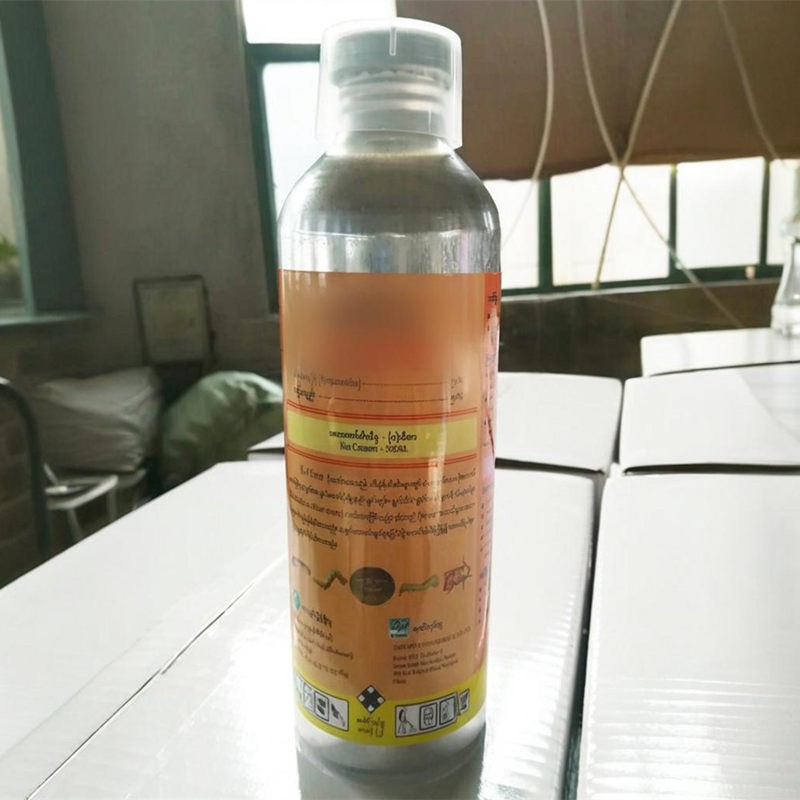
First off, let's get to know MCPA a bit better. MCPA is a well - known herbicide that's been around for quite some time. It belongs to the phenoxy group of herbicides and is super effective at controlling broadleaf weeds. You can check out one of our great MCPA products, MCPA 650G/L SL, which has been getting some really positive feedback from farmers in the field.
Now, onto rotational cropping systems. These systems involve growing different crops in the same area over a sequence of seasons. The main reasons for doing this are to improve soil health, reduce pest and disease pressure, and increase overall farm productivity. But can MCPA fit into this complex puzzle?
One of the key factors to consider is the residual effect of MCPA in the soil. Different crops have different sensitivities to herbicide residues. Some crops are more tolerant, while others can be severely affected. For example, legumes like soybeans and peas are generally more sensitive to MCPA residues. If you've used MCPA in a previous season and then plant a sensitive crop right away, you might end up with stunted growth, distorted leaves, or even reduced yields.
However, with proper planning, MCPA can still be used effectively in rotational cropping. The first step is to understand the half - life of MCPA in the soil. The half - life is the time it takes for half of the herbicide to break down. Generally, in most soil conditions, MCPA has a half - life of a few weeks to a couple of months. By knowing this, you can time your crop rotations accordingly.
Let's say you're growing wheat in one season and plan to use MCPA to control broadleaf weeds. Wheat is relatively tolerant to MCPA. After the wheat harvest, if you want to plant a more sensitive crop like lettuce, you need to wait for a sufficient period to allow most of the MCPA to break down in the soil. This waiting period can be estimated based on the soil type, temperature, and moisture, as these factors all influence the degradation rate of MCPA.
Soil type plays a huge role here. In sandy soils, MCPA tends to leach more easily and may break down faster due to better aeration. On the other hand, in clayey soils, it might bind more tightly to the soil particles and have a longer residual effect. If you have sandy soil, you might be able to rotate to a sensitive crop a bit earlier compared to having clayey soil.
Temperature also affects the degradation of MCPA. Warmer temperatures usually speed up the breakdown process. So, if you apply MCPA in the summer, it will likely break down faster than if you apply it in the cooler months of spring or fall. Moisture is another crucial factor. Adequate soil moisture is necessary for the microbial activity that helps break down MCPA. If the soil is too dry, the degradation process will slow down significantly.
Another aspect to consider is the mode of action of MCPA. It works by mimicking the plant hormone auxin, which causes uncontrolled growth in broadleaf weeds, eventually leading to their death. This mode of action also means that it can have an impact on non - target plants if not used correctly. But in a rotational system, if you're careful about which crops follow the MCPA application, you can minimize these risks.
For instance, if you're using MCPA in a cereal crop rotation, you can take advantage of the fact that cereals are mostly grass - type plants and are less affected by MCPA's mode of action. After the cereal harvest, you can then plan to plant a legume cover crop. Legume cover crops not only help improve soil fertility but can also act as a buffer against any remaining MCPA residues. The legumes can take up some of the residual herbicide, and their deep - rooting systems can help break up the soil and promote better microbial activity, which in turn speeds up the degradation of MCPA.
Now, let's talk about the benefits of using MCPA in rotational cropping systems. One of the biggest advantages is cost - effectiveness. MCPA is relatively inexpensive compared to some other herbicides on the market. By using MCPA to control broadleaf weeds in certain crops, you can save money on weed control without sacrificing too much in terms of crop safety if you plan your rotations well.
It also offers good selectivity. As I mentioned earlier, it targets broadleaf weeds while leaving grass - type crops relatively unharmed. This selectivity is crucial in a rotational system where you might be growing different types of crops with different weed problems. For example, in a rotation that includes corn (a grass - type crop) and sunflowers (a broadleaf crop), you can use MCPA to control broadleaf weeds in the corn without worrying too much about harming the corn plants.

But, of course, there are some challenges. One of the main challenges is the potential for herbicide resistance. If MCPA is used repeatedly in the same area without rotation or in combination with other herbicides, weeds can develop resistance to it. This is a big concern for the long - term effectiveness of MCPA in rotational cropping systems. To combat this, it's important to use MCPA as part of an integrated weed management strategy. This could involve using mechanical weed control methods like tillage or hand - weeding in combination with herbicide applications. It also means rotating different herbicides with different modes of action to prevent the build - up of resistant weed populations.
In addition, regulatory requirements need to be considered. Different regions have different rules and regulations regarding the use of MCPA in agricultural settings. You need to make sure that you're following all the local laws and guidelines when using MCPA in your rotational cropping systems. This includes proper application rates, safety precautions, and record - keeping.
So, to sum it up, MCPA can definitely be used in rotational cropping systems, but it requires careful planning and management. By understanding the residual effects, soil conditions, crop sensitivities, and taking steps to prevent herbicide resistance, you can use MCPA to your advantage and achieve successful crop rotations.
If you're interested in learning more about how MCPA can fit into your specific rotational cropping system or if you're looking to purchase high - quality MCPA products, don't hesitate to reach out. We're here to help you make the most of this versatile herbicide in your farming operations.
References
- Smith, J. (2018). Herbicide Residues in Soil and Their Impact on Crop Rotations. Journal of Agricultural Science.
- Brown, A. (2019). The Degradation of Phenoxy Herbicides in Different Soil Types. Soil Science Research.
- Green, M. (2020). Integrated Weed Management Strategies for Sustainable Agriculture. Agricultural Review.