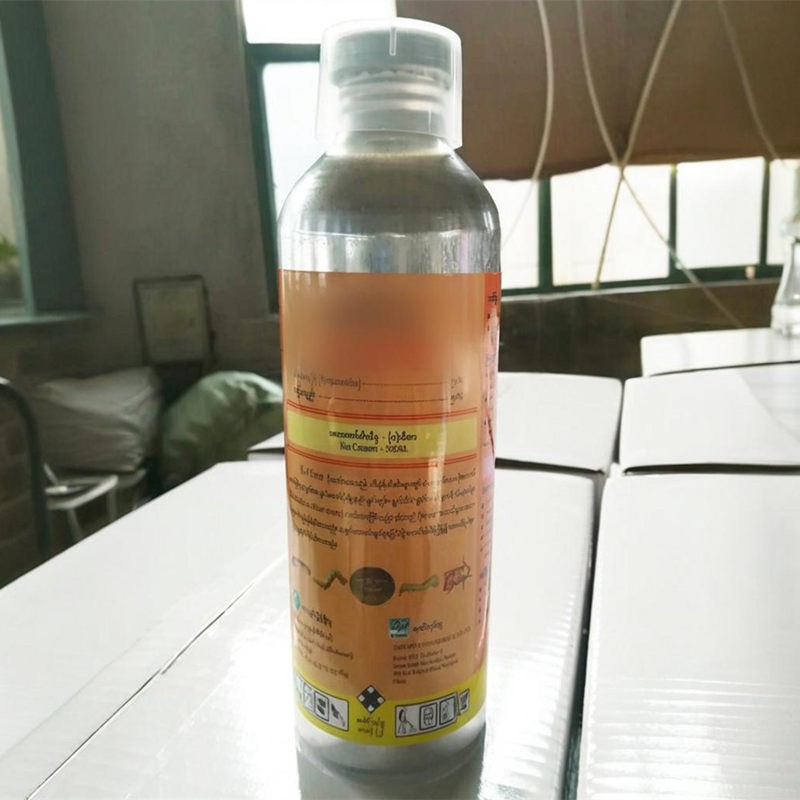
Hey there! As a supplier of fludioxonil, I often get asked about the chemical structure of this popular fungicide. So, I thought I'd take a moment to break it down for you and explain why it's such an effective tool in the fight against plant diseases.

First things first, let's talk about what fludioxonil is. It's a broad - spectrum fungicide that's used to protect a wide variety of crops, including cereals, fruits, and vegetables. It works by inhibiting the growth of fungi through a unique mode of action, which we'll get into a bit later.
Now, onto the chemical structure. Fludioxonil has the chemical formula C₁₂H₆F₂N₂O₂. Its systematic name is 4 - (2,2 - difluoro - 1,3 - benzodioxol - 4 - yl) - 1H - pyrrole - 3 - carbonitrile.
Let's break down this structure step by step. At the heart of the fludioxonil molecule is a pyrrole ring. Pyrrole is a five - membered aromatic heterocycle that contains one nitrogen atom. In fludioxonil, the pyrrole ring has a carbonitrile group (- C≡N) attached to the 3 - position. The carbonitrile group is important because it can participate in various chemical reactions and interactions with the target fungi.
Connected to the pyrrole ring is a 2,2 - difluoro - 1,3 - benzodioxol - 4 - yl group. The 1,3 - benzodioxole is a bicyclic ring system consisting of a benzene ring fused to a 1,3 - dioxole ring. The presence of two fluorine atoms on the 2 - position of the 1,3 - dioxole ring is significant. Fluorine is a highly electronegative element, and its presence in the molecule can enhance the lipophilicity (fat - solubility) of fludioxonil. This is crucial because it allows the fungicide to penetrate the fungal cell membranes more easily.
The unique combination of the pyrrole ring and the difluorobenzodioxole group gives fludioxonil its distinctive properties. When it comes into contact with fungi, it disrupts the normal functioning of the fungal cell. Specifically, it interferes with the signal transduction pathways in the fungal cells. These pathways are responsible for regulating various cellular processes such as growth, development, and stress response. By disrupting these pathways, fludioxonil can prevent the fungi from growing and reproducing, ultimately leading to their death.
One of the great things about fludioxonil is its low toxicity to mammals. This makes it a safer option for use in agricultural settings compared to some other fungicides. It also has a relatively long residual activity, which means that it can provide protection to crops for an extended period of time after application.
Another interesting aspect is its compatibility with other fungicides. For example, we offer a product called Fludioxonil 24G/L + Difenoconazole 24G/L FS. This combination product takes advantage of the different modes of action of fludioxonil and difenoconazole. Difenoconazole is a triazole fungicide that inhibits the synthesis of ergosterol, an important component of the fungal cell membrane. By combining these two fungicides, we can provide a more comprehensive and effective solution for controlling a wider range of fungal diseases.
In addition to its use in agriculture, fludioxonil also has some potential applications in other areas. For example, it has been investigated for its use in the preservation of wood and in the treatment of some fungal infections in humans, although these applications are still in the experimental stage.
If you're a farmer or someone involved in the agricultural industry, you might be wondering how to use fludioxonil effectively. The application rate and method can vary depending on the type of crop, the severity of the fungal infestation, and other factors. It's always a good idea to follow the instructions on the product label carefully. In general, fludioxonil can be applied as a seed treatment, a foliar spray, or a soil drench.
As a supplier, we're committed to providing high - quality fludioxonil products. We understand the importance of using effective and safe fungicides to protect your crops and ensure a good harvest. Whether you're dealing with common fungal diseases like powdery mildew, gray mold, or damping - off, fludioxonil can be a valuable addition to your pest management toolkit.
If you're interested in learning more about our fludioxonil products or would like to discuss your specific needs, we'd love to hear from you. We can provide you with detailed information about the products, including their application rates, safety precautions, and pricing. Contact us to start a conversation about how we can help you protect your crops and improve your yields.
References
- Tomlin, C. D. S. (Ed.). (2009). The Pesticide Manual: A World Compendium. British Crop Protection Council.
- Brent, K. J., & Hollomon, D. W. (2007). Fungicide Resistance in Crop Pathogens: How Can It Be Managed? British Crop Protection Council.