Hey there! As a supplier of MCPA, I often get asked a bunch of questions about its uses. One question that pops up quite a bit is, "Can MCPA be used on fruit trees?" Well, let's dig into this topic and break it down.
First off, what the heck is MCPA? MCPA, or 2 - methyl - 4 - chlorophenoxyacetic acid, is a widely used herbicide. It's part of the phenoxy group of chemicals. These herbicides work by mimicking plant growth hormones. When applied to plants, they cause abnormal growth patterns, which eventually lead to the death of the targeted weeds.
Now, when it comes to using MCPA on fruit trees, it's a bit of a double - edged sword. On one hand, MCPA can be effective in controlling a variety of broadleaf weeds in the orchard. Weeds compete with fruit trees for nutrients, water, and sunlight. By getting rid of these weeds, you can potentially improve the overall health and productivity of your fruit trees.
For example, if you have a lot of dandelions or clover in your orchard, MCPA can help knock them out. These broadleaf weeds can spread quickly and take over the ground around the fruit trees, making it harder for the trees to thrive.
However, there are some major concerns when using MCPA on fruit trees. One of the biggest issues is the risk of phytotoxicity. Phytotoxicity is basically when a chemical causes harm to a plant. Fruit trees are often very sensitive to herbicides, and MCPA can cause some serious damage.
The leaves of fruit trees might start to show signs of curling, yellowing, or even dropping off. This can have a negative impact on the tree's ability to photosynthesize, which is crucial for its growth and fruit production. In severe cases, the tree's growth can be stunted, and it might even die.
Another problem is the potential for residue on the fruit. If MCPA is applied too close to the harvest time or in excessive amounts, there could be residues left on the fruit. This is a big no - no, especially when it comes to food safety. Consumers expect to buy fruit that is free from harmful chemicals, and any trace of MCPA residue could lead to problems with marketability.
So, how can we use MCPA safely around fruit trees? Well, timing is everything. You should apply MCPA when the fruit trees are in a dormant state. This is usually during the late fall or early winter. During this time, the trees are not actively growing, so they are less likely to be affected by the herbicide.
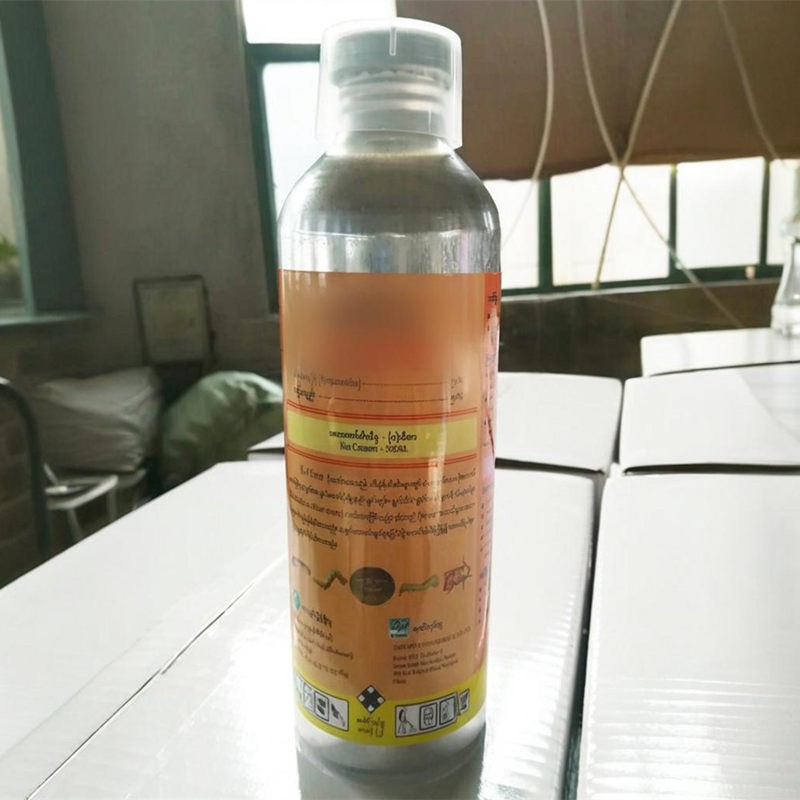
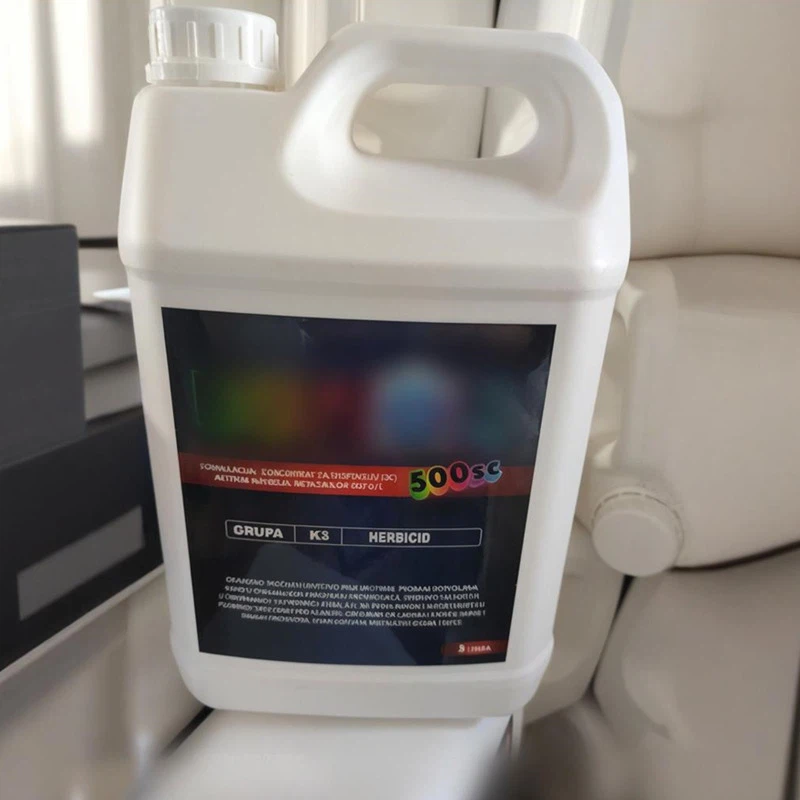
Also, you need to be really careful with the application rate. Don't just go overboard and spray a ton of MCPA all at once. Follow the instructions on the product label. Most MCPA products, like MCPA 650G/L SL, will have specific guidelines on how much to use and how to apply it.
It's also a good idea to use a shield or a targeted sprayer when applying MCPA. This can help prevent the herbicide from drifting onto the fruit trees. You don't want any accidental over - spray on the leaves or branches.
In addition to these precautions, you should also consider the type of fruit tree. Different fruit trees have different levels of sensitivity to MCPA. For example, some stone fruit trees like peaches and cherries are generally more sensitive than apple or pear trees. So, if you have a mixed orchard, you need to be extra careful when using MCPA.
Now, let's talk about some alternatives. If you're still worried about using MCPA on your fruit trees, there are other ways to control weeds. You can use mechanical methods like hand - weeding or mowing. These methods are more labor - intensive, but they are completely chemical - free.
Another option is to use organic mulches. Mulches like wood chips or straw can help suppress weed growth by blocking sunlight. They also have the added benefit of improving soil moisture and temperature.
Biological control is also an option. There are some insects and microorganisms that can be used to control weeds. For example, certain types of beetles can feed on specific weeds, reducing their population.
But if you do decide that MCPA is the right choice for your orchard, make sure you do it right. As a supplier, I've seen a lot of cases where people didn't follow the proper procedures, and it ended up causing more harm than good.
To sum it up, MCPA can be used on fruit trees, but it has to be done with extreme caution. You need to weigh the benefits of weed control against the risks of phytotoxicity and residue. If you follow the right guidelines, you can use MCPA to keep your orchard weed - free without harming your precious fruit trees.

If you're interested in purchasing MCPA for your orchard or have any more questions about its use, feel free to reach out. I'm here to help you make the best decision for your fruit trees. Whether you're a small - scale orchard owner or a large commercial grower, I can provide you with the information and products you need.
References
- "Herbicides and Their Use in Orchards" - A comprehensive guide on herbicide application in fruit tree settings.
- "Phytotoxicity of Herbicides on Fruit Trees" - Research on the effects of herbicides, including MCPA, on fruit tree health.
- Product label of MCPA 650G/L SL