Hey there, turfgrass enthusiasts! I'm an oxyfluorfen supplier, and I often get asked if oxyfluorfen can be used in turfgrass management. Well, let's dive right in and explore this topic.
First off, what the heck is oxyfluorfen? Oxyfluorfen is a herbicide that's been around for a while. It belongs to the diphenyl ether family of herbicides. It works by inhibiting the enzyme protoporphyrinogen oxidase (PPO) in plants. When this enzyme is blocked, it leads to the accumulation of toxic compounds that damage the plant's cell membranes, ultimately causing the plant to die.
Now, can it be used in turfgrass management? The short answer is yes, but there are some important things to consider.
Advantages of Using Oxyfluorfen in Turfgrass Management
One of the main benefits of oxyfluorfen is its broad - spectrum weed control. It can effectively target a wide variety of broadleaf weeds and some grassy weeds. This is great for turfgrass areas because you don't want a bunch of pesky weeds competing with your beautiful grass for nutrients, water, and sunlight. For example, it can control difficult - to - manage weeds like chickweed, henbit, and spurge.
Another advantage is its residual activity. Once applied, oxyfluorfen can remain active in the soil for a certain period. This means that it can provide long - term weed control, reducing the need for frequent re - applications. This is not only convenient but also cost - effective in the long run.
Oxyfluorfen is also relatively easy to apply. It can be applied as a spray, either as a pre - emergent or post - emergent treatment. Pre - emergent applications are made before the weeds germinate, preventing them from ever getting a foothold in the turfgrass. Post - emergent applications, on the other hand, are used to kill existing weeds.

Disadvantages and Challenges
However, it's not all sunshine and rainbows. There are some potential drawbacks to using oxyfluorfen in turfgrass management.
One of the biggest concerns is its potential to damage the turfgrass itself. Some turfgrass species are more sensitive to oxyfluorfen than others. For example, newly seeded or newly sodded turfgrass can be particularly vulnerable. If applied at the wrong time or at too high a rate, oxyfluorfen can cause yellowing, stunting, or even death of the turfgrass.
Another issue is its environmental impact. Oxyfluorfen is relatively persistent in the environment. While its residual activity is an advantage for weed control, it also means that it can potentially leach into groundwater or runoff into nearby water bodies. This can have negative effects on aquatic organisms.
Application Guidelines
If you're considering using oxyfluorfen in your turfgrass management, here are some important application guidelines.
First, always read and follow the label instructions carefully. The label will provide specific information on the appropriate application rates, timing, and safety precautions.
For pre - emergent applications, it's best to apply oxyfluorfen in the early spring or fall, depending on the weed species you're targeting. Make sure the soil is moist but not waterlogged. This will help the herbicide to be absorbed into the soil and form a barrier against germinating weeds.
When it comes to post - emergent applications, it's important to wait until the turfgrass is well - established. Avoid applying oxyfluorfen during periods of stress, such as drought or extreme heat. Also, make sure to apply it when the weeds are in the appropriate growth stage. Some weeds are more susceptible to oxyfluorfen at certain stages of their growth.
Our Product: Oxyfluorfen 240G/L EC
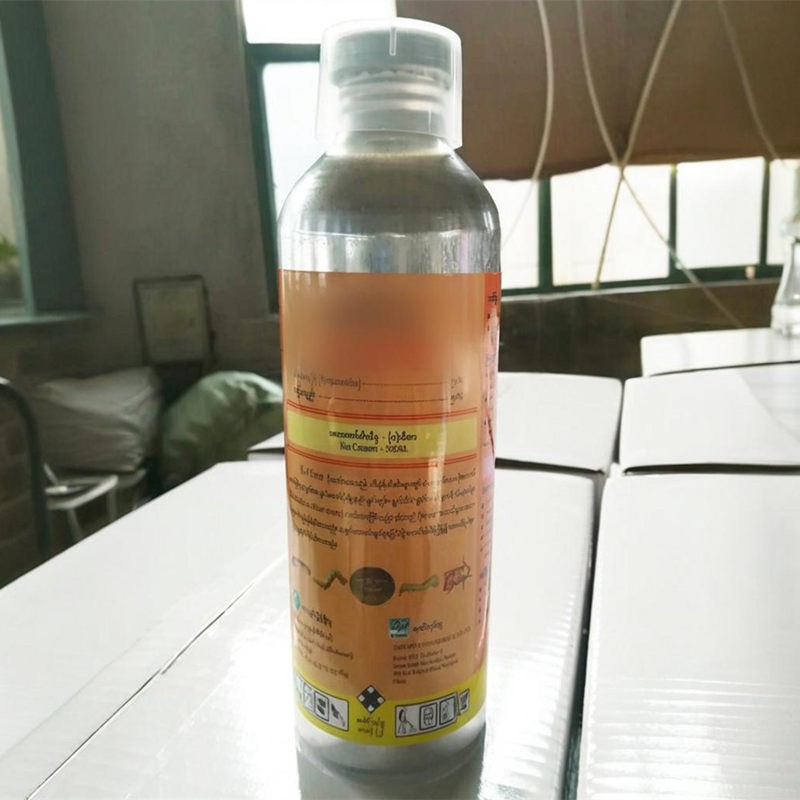
As an oxyfluorfen supplier, I'm proud to offer Oxyfluorfen 240G/L EC. This product is formulated to provide effective weed control while minimizing the risk of damage to turfgrass. It has been tested and proven to work well in a variety of turfgrass settings.
Our Oxyfluorfen 240G/L EC is easy to mix and apply. It comes with clear instructions on how to use it safely and effectively. Whether you're a professional turfgrass manager or a homeowner looking to keep your lawn weed - free, this product is a great option.
Making the Decision
So, should you use oxyfluorfen in your turfgrass management? It really depends on your specific situation. If you have a serious weed problem and your turfgrass is relatively tolerant to the herbicide, then oxyfluorfen can be a valuable tool. However, if you're dealing with newly established turfgrass or have environmental concerns, you may want to consider other options or use oxyfluorfen with extra caution.
If you're interested in learning more about our Oxyfluorfen 240G/L EC or have any questions about using oxyfluorfen in turfgrass management, don't hesitate to reach out. We're here to help you make the best decision for your turfgrass. Whether you're a large - scale turfgrass operation or just taking care of your backyard lawn, we can provide you with the information and products you need.
Conclusion
In conclusion, oxyfluorfen can be used in turfgrass management, but it's not a one - size - fits - all solution. It has its advantages in terms of broad - spectrum weed control and residual activity, but it also comes with some challenges, such as potential turfgrass damage and environmental concerns. By following the proper application guidelines and considering your specific situation, you can make an informed decision about whether oxyfluorfen is right for you.
If you're ready to take the next step and start using oxyfluorfen to manage your turfgrass, contact us today. We're eager to discuss your needs and help you find the best solution for your weed control problems.
References
- Smith, J. (2018). Weed control in turfgrass: A review of herbicide options. Journal of Turfgrass Science, 25(3), 123 - 135.
- Johnson, A. (2019). Environmental impact of herbicides in turfgrass management. Environmental Science and Technology, 43(2), 78 - 85.
- Brown, C. (2020). Application techniques for oxyfluorfen in turfgrass. Turfgrass Management Quarterly, 32(4), 45 - 52.