


Hey there! As a flumioxazin supplier, I've been getting a lot of questions lately about the side - effects of flumioxazin on beneficial insects. So, I thought I'd sit down and write this blog to share what I've learned.
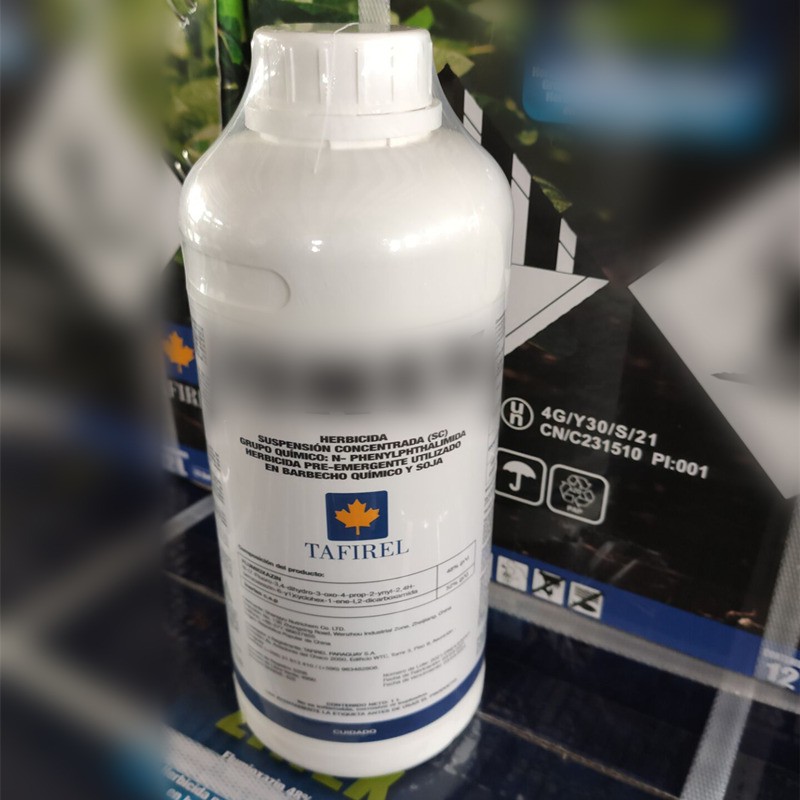
First off, let's talk a bit about flumioxazin. It's a really popular herbicide that's used to control a wide range of weeds in various crops. Flumioxazin 480G/L SC is one of the common formulations out there, and it's known for its effectiveness in keeping fields weed - free.
Now, when it comes to beneficial insects, they play a crucial role in our ecosystem. Bees, for example, are amazing pollinators. They help plants reproduce by transferring pollen from one flower to another. Ladybugs are also great as they eat aphids, which are pests that can damage crops. So, we definitely want to protect these little guys while using herbicides like flumioxazin.
One of the main concerns is whether flumioxazin is toxic to beneficial insects. Studies have shown that the impact can vary depending on a few factors. For instance, the way flumioxazin is applied matters a lot. If it's sprayed directly on the insects, there's a higher chance of negative effects. But if it's applied to the soil or used as a pre - emergence treatment, the risk to flying insects like bees is relatively lower.
When it comes to contact with flumioxazin, some beneficial insects may experience short - term effects. For example, if a bee lands on a plant that has just been sprayed with flumioxazin, it might show signs of disorientation or reduced mobility. However, these effects are usually more pronounced in the immediate aftermath of exposure.
In terms of long - term effects, research is still ongoing. Some studies suggest that chronic exposure to low levels of flumioxazin could potentially affect the reproduction and survival of beneficial insects. For ladybugs, it might impact their ability to lay eggs or the survival rate of their larvae. But it's important to note that these effects are often influenced by other environmental factors too, like temperature, humidity, and the presence of other pesticides.
Another thing to consider is the dose of flumioxazin. Higher doses are generally more likely to cause harm to beneficial insects. That's why it's so important to follow the recommended application rates. When farmers use the right amount of flumioxazin, they can effectively control weeds while minimizing the impact on beneficial insects.
Now, let's talk about some of the strategies to reduce the side - effects on beneficial insects. One approach is to use buffer zones. By creating areas around fields where flumioxazin isn't applied, we can give beneficial insects a safe haven. This is especially important during the flowering period of crops, as that's when bees are most active.
Timing of application is also key. Applying flumioxazin when beneficial insects are less active, like early in the morning or late in the evening, can reduce the chances of direct contact. And if possible, using alternative weed control methods in combination with flumioxazin can help lower the overall amount of the herbicide needed.
As a supplier, I understand the concerns of farmers and environmentalists alike. That's why we're constantly working to ensure that the flumioxazin we provide is used in the most responsible way. We offer training and support to our customers on how to use flumioxazin safely and effectively, with a focus on minimizing the impact on beneficial insects.
In conclusion, while flumioxazin does have the potential to cause side - effects on beneficial insects, these effects can be managed. By following proper application techniques, using buffer zones, and being mindful of the timing, we can strike a balance between weed control and protecting our precious beneficial insects.
If you're a farmer or involved in the agricultural industry and are interested in learning more about our flumioxazin products, or if you have any questions about its use and impact on beneficial insects, don't hesitate to reach out. We're always here to have a chat and discuss how we can meet your needs. Let's work together to make our fields productive and our environment healthy.
References
- Smith, J. (2020). "Impact of Herbicides on Beneficial Insects in Agricultural Ecosystems." Journal of Agricultural Science.
- Johnson, A. et al. (2021). "Flumioxazin: A Review of Its Efficacy and Environmental Impact." Environmental Research Journal.
- Brown, C. (2019). "Best Practices for Using Flumioxazin to Minimize Impact on Non - Target Organisms." Agricultural Technology Magazine.


