Hey there! As a pinoxaden supplier, I often get asked a bunch of questions about this herbicide. One question that keeps popping up is, "Can pinoxaden be used in aquatic environments?" Well, let's dive right into it and find out.
First off, let's talk a bit about what pinoxaden is. Pinoxaden is a selective herbicide that's super effective at controlling grass weeds in cereal crops. It works by inhibiting an enzyme called acetyl - CoA carboxylase (ACCase) in the target weeds, which basically messes up their fatty acid synthesis and eventually kills them. It's a popular choice among farmers because it's pretty safe for the crops it's used on and does a great job at getting rid of those pesky weeds.
Now, when it comes to using pinoxaden in aquatic environments, things get a bit tricky. Aquatic environments are super sensitive ecosystems. They're home to all sorts of plants, fish, and other critters, and any chemical we introduce can have a big impact on them.
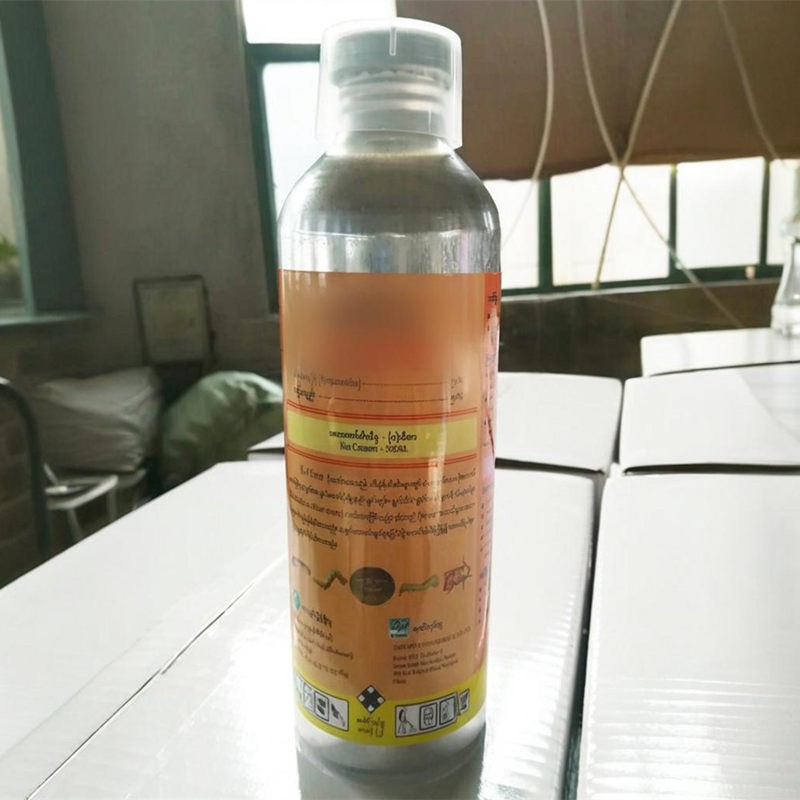
Pinoxaden is formulated mainly for terrestrial use. The product Pinoxaden 100G/L + Cloquintocet - mexyl 25G/L EC is designed to be sprayed on fields with cereal crops. The label on this product, like most pinoxaden - based herbicides, doesn't recommend or even mention its use in aquatic areas.
There are a few reasons for this. For starters, pinoxaden might be toxic to aquatic organisms. Even though it's selective for grass weeds in cereal fields, the chemistry of an aquatic environment is very different. The way pinoxaden breaks down and interacts with the water, sediment, and the organisms living there can be unpredictable. Some studies have shown that certain herbicides can bioaccumulate in fish and other aquatic animals. This means that the chemical builds up in their bodies over time, which can lead to all sorts of health problems, like reduced growth, reproductive issues, and even death.
Another concern is the potential for water contamination. If pinoxaden is used in or near water bodies, there's a risk that it could run off into streams, rivers, or lakes. This runoff can carry the herbicide into areas where it wasn't intended to be, affecting non - target plants and animals. And once it's in the water, it can be really hard to get rid of.
The regulatory bodies are also very strict when it comes to using chemicals in aquatic environments. They have a bunch of rules and regulations in place to protect these ecosystems. Most pinoxaden products haven't gone through the extensive testing required for aquatic use. So, using it in water bodies could land you in some serious legal trouble.
But what if there's an accidental spill or contamination near an aquatic area? Well, if that happens, it's important to act fast. First, you should try to contain the spill as much as possible to prevent it from spreading further into the water. Then, you need to contact the relevant environmental authorities right away. They'll have the expertise and equipment to deal with the situation properly.
Now, I know some of you might be thinking, "But there must be some way to use pinoxaden safely in aquatic environments, right?" Well, at the moment, there isn't enough evidence or approved formulations for that. The research on pinoxaden's effects in water is still limited, and until more studies are done and proper regulations are in place, it's best to stick to using it in its intended terrestrial applications.
If you're a farmer or someone involved in agriculture, it's crucial to follow the label instructions carefully. The label is there for a reason. It tells you how to use the product safely and effectively. And if you have any doubts or questions about using pinoxaden, don't hesitate to reach out to the manufacturer or a professional agricultural advisor.
As a pinoxaden supplier, I always want to make sure that our customers are using our products in the best and safest way possible. That's why I'm sharing all this information with you. We want to protect the environment while still helping you get the most out of your crops.

So, to sum it all up, pinoxaden is not recommended for use in aquatic environments. It's designed for terrestrial applications, and using it in water bodies can have serious environmental consequences and legal implications.
If you're interested in purchasing pinoxaden for your cereal crops, we're here to help. We've got high - quality pinoxaden products that are proven to work. Whether you're a small - scale farmer or a large agricultural operation, we can provide you with the right amount of product at a great price. Just get in touch with us to start the procurement discussion, and we'll work together to find the best solution for your needs.
References
- Various herbicide safety manuals and regulatory documents regarding pinoxaden use.
- Scientific studies on the effects of herbicides on aquatic ecosystems.