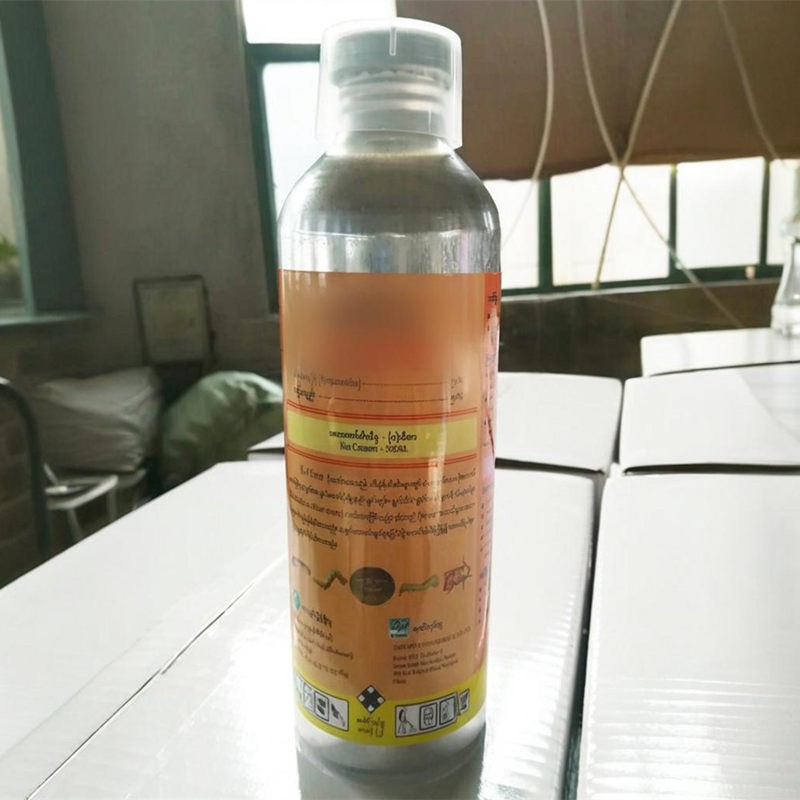
No - till farming, also known as zero - tillage or direct drilling, is an agricultural practice that involves planting crops without disturbing the soil through tillage. This method has gained significant popularity in recent years due to its numerous environmental and economic benefits, such as reduced soil erosion, improved soil structure, and lower fuel and labor costs. As a Pinoxaden supplier, I often get asked whether Pinoxaden can be effectively used in no - till farming. In this blog, I will delve into the details of this question, exploring the characteristics of Pinoxaden, the requirements of no - till farming, and how the two can be integrated.
Understanding Pinoxaden
Pinoxaden is a selective herbicide belonging to the phenylpyrazoline chemical family. It is widely used to control annual grass weeds in cereal crops such as wheat, barley, and oats. One of the key features of Pinoxaden is its high efficacy against a broad spectrum of grass weeds, including black - grass, wild oats, and ryegrass. It works by inhibiting the acetyl - CoA carboxylase (ACCase) enzyme in the target weeds, which is essential for fatty acid synthesis. This disruption leads to the cessation of cell division and growth in the weeds, ultimately resulting in their death.
The Pinoxaden 100G/L + Cloquintocet - mexyl 25G/L EC formulation is particularly noteworthy. Cloquintocet - mexyl is a safener that protects the cereal crops from the potential phytotoxic effects of Pinoxaden, allowing for a wider margin of safety when applying the herbicide. This means that farmers can effectively control grass weeds while minimizing the risk of damage to their valuable crops.
The Challenges of Weed Control in No - till Farming
In no - till farming systems, weed management presents unique challenges. Without the traditional tillage operations that bury weed seeds and disrupt their growth cycles, weed populations can quickly become established on the soil surface. Additionally, the presence of crop residues on the soil surface can interfere with the effectiveness of herbicides by reducing their contact with the target weeds.
Grass weeds, in particular, can be a major problem in no - till cereal crops. They compete with the crops for nutrients, water, and sunlight, which can significantly reduce crop yields. Therefore, finding an effective and reliable herbicide for grass weed control is crucial for the success of no - till farming.
Can Pinoxaden Be Used in No - Till Farming?
The answer is yes, Pinoxaden can be used effectively in no - till farming. Here are several reasons why:
1. Selectivity
Pinoxaden's high selectivity makes it an ideal choice for no - till cereal crops. As mentioned earlier, the addition of Cloquintocet - mexyl in the formulation provides excellent crop safety, allowing for targeted control of grass weeds without harming the cereal crops. This is especially important in no - till systems, where the crop residues on the soil surface can make it more challenging to distinguish between crops and weeds during herbicide application.
2. Efficacy
Pinoxaden has proven to be highly effective against a wide range of grass weeds commonly found in no - till cereal fields. Its mode of action, which targets the ACCase enzyme, ensures that even resistant weed populations can be controlled. In no - till farming, where weed pressure can be high, having an herbicide with such broad - spectrum efficacy is essential for maintaining crop yields.
3. Application Flexibility
Pinoxaden can be applied at different growth stages of the cereal crops and weeds. It can be used as a pre - emergence or post - emergence herbicide, depending on the specific weed species and the farmer's management strategy. This flexibility allows farmers in no - till systems to adapt their herbicide applications to the changing weed pressure and crop growth conditions throughout the growing season.
4. Compatibility with Crop Residues
The presence of crop residues on the soil surface in no - till farming can sometimes reduce the effectiveness of herbicides. However, Pinoxaden has been shown to have good compatibility with crop residues. Its formulation allows it to penetrate through the residues and reach the target weeds, ensuring effective weed control even in the presence of a thick layer of crop residues.
Best Practices for Using Pinoxaden in No - Till Farming
To achieve the best results when using Pinoxaden in no - till farming, the following best practices should be followed:

1. Proper Weed Identification
Before applying Pinoxaden, it is essential to accurately identify the weed species present in the field. Different weed species may have different sensitivities to Pinoxaden, and knowing the specific weed species will help determine the appropriate application rate and timing.
2. Optimal Application Timing
Applying Pinoxaden at the right time is crucial for its effectiveness. For post - emergence applications, it is recommended to apply the herbicide when the grass weeds are in the early growth stages, typically between the 2 - 4 leaf stage. This ensures maximum uptake of the herbicide by the weeds and better control.
3. Correct Application Rate
The application rate of Pinoxaden should be based on the weed species, weed density, and the growth stage of the crops. Using the correct application rate will ensure effective weed control while minimizing the risk of crop damage.
4. Tank Mixing
In some cases, tank mixing Pinoxaden with other herbicides can enhance its weed control spectrum and effectiveness. However, it is important to ensure that the herbicides being mixed are compatible and that the tank - mix does not cause any adverse effects on the crops or the environment.
Conclusion
In conclusion, Pinoxaden is a valuable tool for weed control in no - till farming. Its selectivity, efficacy, application flexibility, and compatibility with crop residues make it well - suited for the unique challenges of no - till cereal crops. By following the best practices for its use, farmers can effectively control grass weeds and achieve high yields in their no - till fields.
If you are a farmer interested in using Pinoxaden for your no - till farming operations or if you have any questions about our Pinoxaden products, I encourage you to reach out to us. We are here to provide you with the best solutions for your weed control needs and to support you in achieving successful and sustainable farming.
References
- [List of scientific papers or industry reports related to Pinoxaden and no - till farming, e.g., Journal of Agricultural Science, Weed Science Society of America publications]