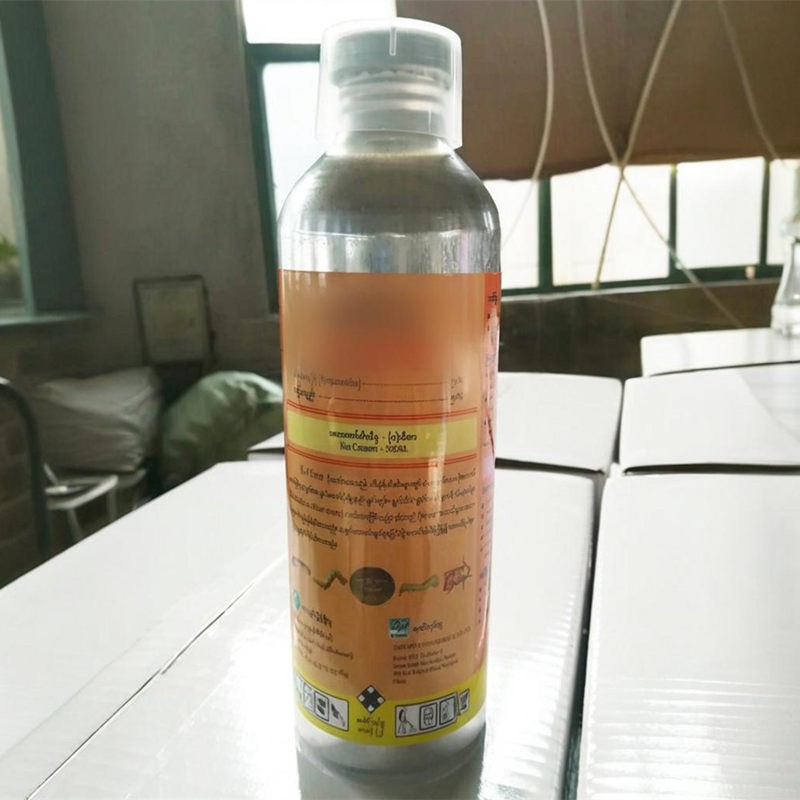
Hey there! As a supplier of pinoxaden, I often get asked a bunch of questions about its use. One question that pops up quite a bit is, "Can pinoxaden be used on genetically modified crops?" Let's dig into this topic and see what we can find out.
First off, let's understand what pinoxaden is. Pinoxaden is a really effective herbicide. It's part of the phenylpyrazoline class of herbicides, and it works by inhibiting the acetyl - CoA carboxylase (ACCase) enzyme in grassy weeds. This basically stops the weeds from making fatty acids, which they need to survive. So, it's great at getting rid of those pesky grass weeds in crops.
Now, let's talk about genetically modified (GM) crops. GM crops are plants whose DNA has been altered through genetic engineering. This can be done to give the crops certain traits, like resistance to pests, tolerance to herbicides, or better nutritional value. There are all sorts of GM crops out there, like soybeans, corn, cotton, and canola.
So, can pinoxaden be used on these GM crops? Well, it depends on a few factors.
Compatibility with GM Traits
Some GM crops are engineered to be resistant to specific herbicides. For example, there are crops that are resistant to glyphosate, a very common herbicide. But pinoxaden works in a different way than glyphosate. It targets grassy weeds by hitting that ACCase enzyme.
If a GM crop doesn't have a specific genetic modification that would be affected by pinoxaden, then in theory, it should be safe to use. However, the big thing is to check if the genetic modification in the crop might interact with pinoxaden in some unexpected way.
Let's say a GM crop has a gene that affects its metabolism in a way that could change how it responds to pinoxaden. Maybe the gene alters the way the crop processes chemicals, and that could either make the crop more sensitive to pinoxaden or less effective at dealing with the weeds.
Regulatory Considerations
Another important aspect is regulations. Different countries have different rules when it comes to using herbicides on GM crops. Some countries are very strict about making sure that any herbicide used on GM crops is thoroughly tested for safety and efficacy.
Before you can use pinoxaden on a GM crop, you need to make sure that it's approved for that specific use in your area. Regulatory agencies will look at things like the potential for the herbicide to harm the environment, non - target organisms, and of course, the safety of the crop itself.
Research and Field Trials
There have been a fair amount of research and field trials done to see how pinoxaden works on different crops, including GM ones. These trials help us understand the best ways to use pinoxaden, like the right dosage and the timing of application.
For instance, if you apply pinoxaden too early or too late in the growth cycle of a GM crop, it might not work as well on the weeds, or it could even harm the crop. The research also looks at how pinoxaden affects the yield and quality of the GM crop.
Benefits of Using Pinoxaden on GM Crops
If pinoxaden can be safely used on GM crops, there are some great benefits. First of all, it can help control grassy weeds very effectively. Grassy weeds can compete with crops for nutrients, water, and sunlight, which can reduce the crop's yield. By getting rid of these weeds, pinoxaden can help the GM crop grow better and produce a higher yield.
Also, pinoxaden has a relatively low environmental impact compared to some other herbicides. It breaks down in the soil over time, so it doesn't stay in the environment for too long. This is good news for the overall health of the ecosystem where the GM crops are being grown.
A Specific Product: Pinoxaden 100G/L + Cloquintocet - mexyl 25G/L EC
One of the products we offer is Pinoxaden 100G/L + Cloquintocet - mexyl 25G/L EC. The cloquintocet - mexyl in this product is a safener. It helps protect the crop from any potential negative effects of pinoxaden.
This combination can be a great option for GM crops that are suitable for pinoxaden use. The safener ensures that the crop can tolerate the pinoxaden while still getting the weed - control benefits.
How to Decide if Pinoxaden is Right for Your GM Crops
If you're a farmer growing GM crops and you're thinking about using pinoxaden, here are some steps you can take:

- Consult with Experts: Talk to agricultural extension agents, agronomists, or other experts in your area. They can give you advice based on the specific GM crops you're growing and the local conditions.
- Check Labels and Regulations: Always read the product label carefully. The label will have information about which crops the product is approved for and how to use it safely. Also, make sure you're following all the local regulations regarding herbicide use on GM crops.
- Start Small: If you're not sure, you can do a small - scale trial on a portion of your field. This way, you can see how the GM crop responds to pinoxaden without risking your entire crop.
Conclusion
In conclusion, whether pinoxaden can be used on genetically modified crops is a complex question. It depends on the compatibility of the GM traits with pinoxaden, regulatory approvals, and the results of research and field trials.
If you've got a GM crop and you're interested in using pinoxaden, I'd be more than happy to help you figure out if it's the right choice for you. We have a lot of experience with pinoxaden products and can offer you the best advice based on your specific situation. If you're thinking about making a purchase or just want to have a chat about how pinoxaden can work for your GM crops, don't hesitate to reach out. Let's work together to get the best results for your farm.
References
- "Herbicide Handbook" by Weed Science Society of America
- Various research papers on the interaction between pinoxaden and genetically modified crops published in agricultural science journals.