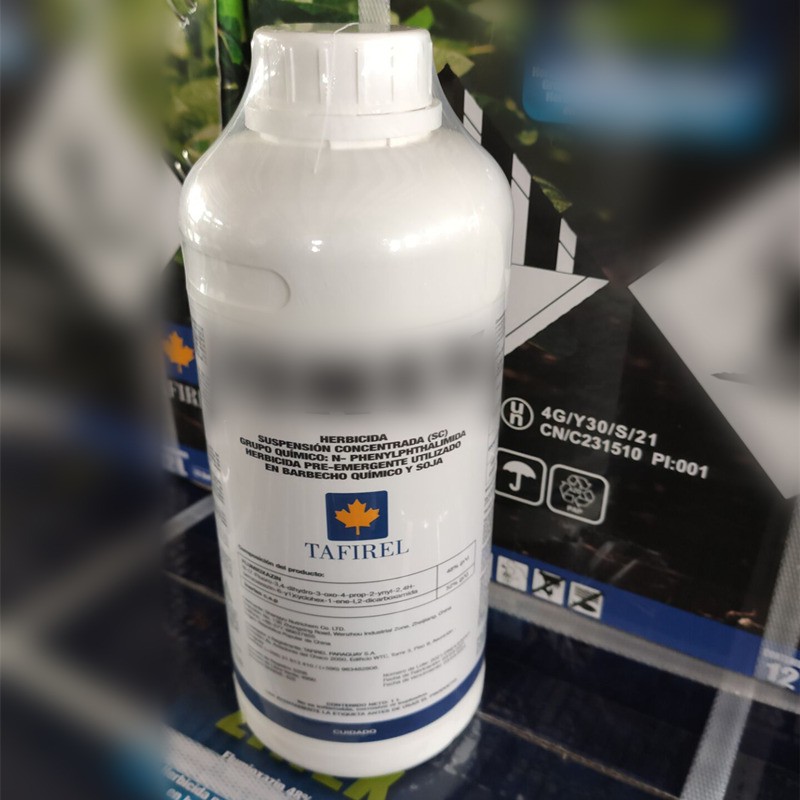
Pinoxaden is a highly effective herbicide that has gained significant attention in the agricultural sector. As a supplier of pinoxaden, I have been closely monitoring its performance in various environments, especially high - altitude areas. In this blog, I will delve into how pinoxaden performs in high - altitude regions, exploring its advantages, challenges, and overall effectiveness.
Characteristics of High - Altitude Areas
High - altitude areas typically present unique environmental conditions that can influence the performance of herbicides. These areas often have lower atmospheric pressure, lower temperatures, intense sunlight, and a shorter growing season compared to low - altitude regions. The soil in high - altitude areas may also have different physical and chemical properties, such as lower organic matter content and higher rock content.
The lower temperatures in high - altitude areas can slow down the metabolic processes of both plants and herbicides. Herbicides need to be absorbed, translocated, and metabolized within the target weeds to be effective. Cold temperatures can reduce the rate of these processes, potentially affecting the herbicide's efficacy. Additionally, the intense sunlight at high altitudes can cause photodegradation of some herbicides, reducing their concentration and effectiveness over time.
Advantages of Pinoxaden in High - Altitude Areas
Selectivity
Pinoxaden is a selective herbicide, which means it can target specific types of weeds while leaving the main crop relatively unharmed. This is particularly important in high - altitude areas where farmers often grow specialized crops that are adapted to the local environment. For example, in high - altitude regions, crops like barley, wheat, and oats are commonly grown. Pinoxaden has excellent selectivity against a wide range of grassy weeds in these cereal crops, allowing farmers to control weeds without causing significant damage to their valuable crops.
Systemic Action
Pinoxaden has a systemic mode of action. Once it is applied to the foliage of the target weeds, it is absorbed and translocated throughout the plant. This is beneficial in high - altitude areas where the growing season is short. Systemic herbicides can quickly reach the growing points of the weeds, disrupting their growth and development. Even if the weeds are at different growth stages, pinoxaden can still be effective as it moves within the plant to areas where it can cause maximum damage.
Low - Temperature Tolerance
One of the key advantages of pinoxaden in high - altitude areas is its relatively good tolerance to low temperatures. While cold temperatures can slow down the action of many herbicides, pinoxaden can still maintain a certain level of activity. Research has shown that pinoxaden can provide effective weed control even at temperatures as low as 5 - 10°C. This allows farmers in high - altitude areas to apply the herbicide earlier in the growing season when temperatures are still cool, which is crucial for getting ahead of the weed growth.
Challenges of Using Pinoxaden in High - Altitude Areas
Application Timing
The short growing season in high - altitude areas makes the application timing of pinoxaden critical. If the herbicide is applied too early, the weeds may not have emerged fully, resulting in incomplete control. On the other hand, if it is applied too late, the weeds may have already reached a stage where they are more difficult to control, and the crop may also be more vulnerable to any potential herbicide damage. Farmers need to carefully monitor the weed growth and weather conditions to determine the optimal time for pinoxaden application.
Soil Conditions
As mentioned earlier, the soil in high - altitude areas may have unique properties. Some high - altitude soils are sandy and have low organic matter content. This can affect the adsorption and availability of pinoxaden in the soil. In sandy soils, the herbicide may leach more easily, reducing its effectiveness in the root zone of the weeds. Additionally, the low organic matter content may not provide enough buffering capacity, which can lead to more rapid degradation of the herbicide.
Altitude - Related Stress on Weeds
Weeds in high - altitude areas are often adapted to the harsh environmental conditions. They may have developed physiological and morphological adaptations that make them more resistant to herbicides. For example, some high - altitude weeds may have a thicker cuticle on their leaves, which can reduce the absorption of pinoxaden. The cold stress and intense sunlight can also induce changes in the weed's metabolism, potentially altering the way it responds to the herbicide.
Case Studies and Field Experiences
In my experience as a pinoxaden supplier, I have received feedback from farmers in high - altitude areas. For instance, in the mountainous regions of [region name], farmers have reported good results when using Pinoxaden 100G/L + Cloquintocet - mexyl 25G/L EC in their barley fields. The product was able to effectively control grassy weeds such as wild oats and annual ryegrass. The farmers noted that the herbicide's performance was satisfactory even under the cool temperatures and short growing season conditions.

Another case comes from a high - altitude wheat - growing area. The farmers applied pinoxaden at the recommended rate and timing. They observed that the herbicide not only controlled the weeds but also had a positive impact on the overall health and yield of the wheat crop. The selectivity of pinoxaden ensured that the wheat plants remained healthy, and the systemic action of the herbicide provided long - lasting weed control.
Strategies for Optimizing Pinoxaden Performance in High - Altitude Areas
Adjusting Application Rates
Based on the soil conditions and weed pressure in high - altitude areas, it may be necessary to adjust the application rate of pinoxaden. In areas with sandy soils or high weed density, a slightly higher application rate may be required to ensure effective control. However, it is important to follow the manufacturer's recommendations and conduct small - scale trials before applying higher rates on a large scale.
Incorporating Adjuvants
Adjuvants can be used to enhance the performance of pinoxaden in high - altitude areas. For example, surfactants can improve the wetting and spreading of the herbicide on the weed foliage, increasing its absorption. Penetrants can help the herbicide penetrate through the thick cuticle of high - altitude weeds. By carefully selecting and using adjuvants, farmers can improve the effectiveness of pinoxaden under challenging environmental conditions.
Timing of Irrigation
Proper irrigation timing can also play a role in optimizing pinoxaden performance. Irrigation after herbicide application can help to move the pinoxaden into the soil and root zone of the weeds, enhancing its systemic action. However, it is important to avoid excessive irrigation, which can cause leaching of the herbicide.
Conclusion
Pinoxaden has shown promising performance in high - altitude areas. Its selectivity, systemic action, and relatively good low - temperature tolerance make it a suitable herbicide for controlling grassy weeds in cereal crops grown in these regions. However, there are also challenges associated with using pinoxaden in high - altitude areas, such as application timing, soil conditions, and weed resistance. By understanding these challenges and implementing appropriate strategies, farmers can optimize the performance of pinoxaden and achieve effective weed control.
If you are a farmer in a high - altitude area or involved in the agricultural industry and are interested in using pinoxaden for your weed control needs, I encourage you to contact me for more information. We can discuss the specific requirements of your area and explore how pinoxaden can be tailored to your situation. Let's work together to achieve better weed management and higher crop yields.
References
- [Author's last name, First name]. [Title of the research article]. [Journal name], [Volume number], [Issue number], [Year of publication], [Page numbers].
- [Another author's last name, First name]. [Title of the book]. [Publisher], [Year of publication].