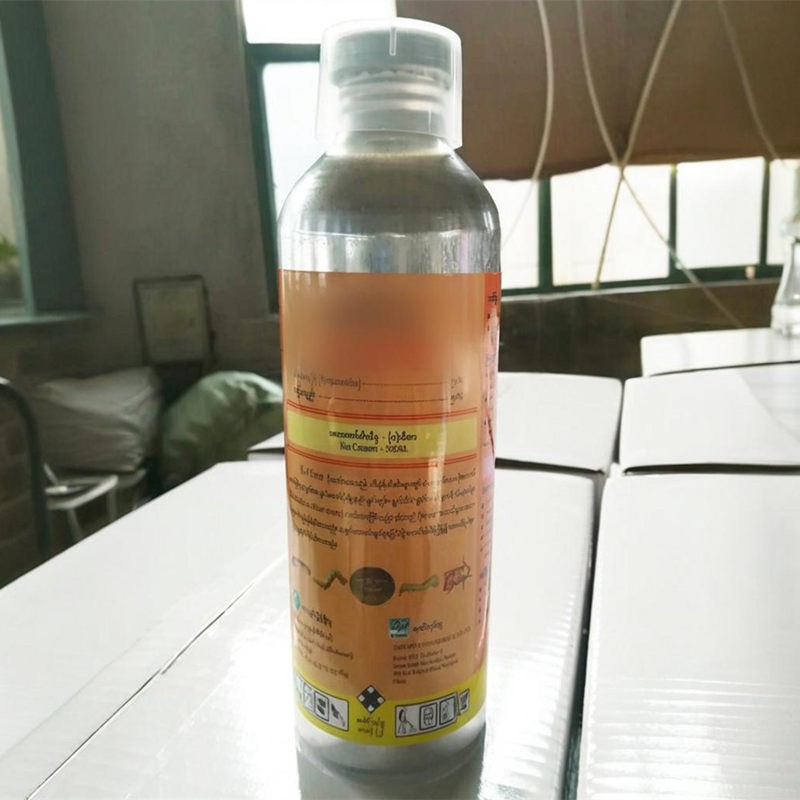
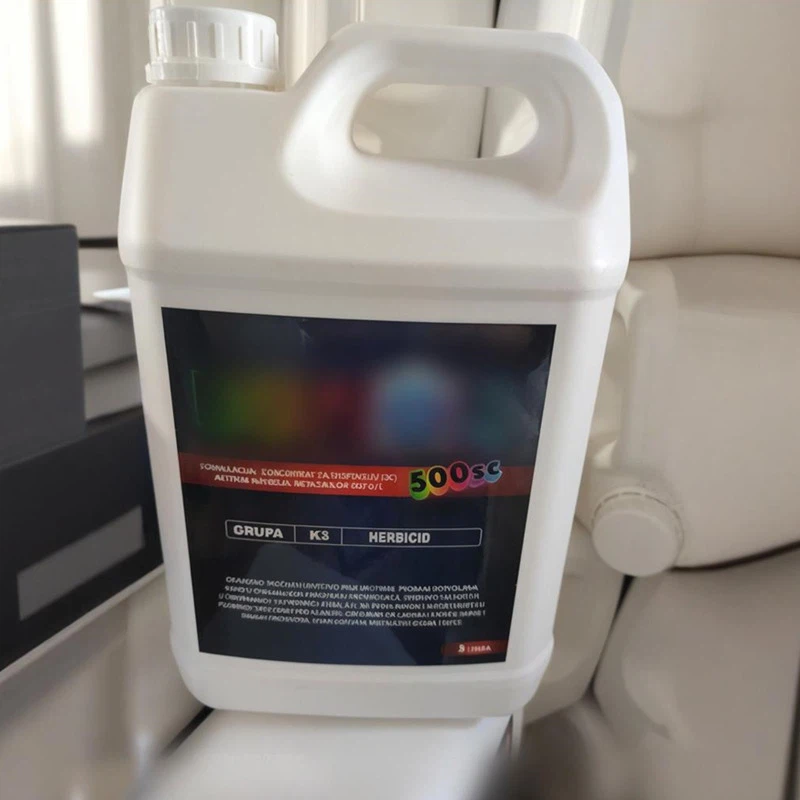
Can quinclorac be used on sports fields? That's a question I get asked a lot as a quinclorac supplier. And it's a valid one, considering the importance of maintaining the safety and quality of sports fields. In this blog post, I'll dive into the details of using quinclorac on sports fields, looking at its effectiveness, safety, and other key factors.
First off, let's talk about what quinclorac is. Quinclorac is a selective herbicide that's commonly used to control a wide range of grassy and broadleaf weeds. It works by interfering with the growth process of weeds, ultimately killing them off. One of the popular products in the market is Quinclorac 250G/L SC, which has been proven effective in many agricultural and turf - management scenarios.
Effectiveness on Sports Fields
When it comes to sports fields, the presence of weeds can be a real nuisance. Weeds not only make the field look unkempt but can also affect the playability of the surface. Quinclorac has shown great promise in controlling some of the most common weeds found on sports fields, such as crabgrass, foxtail, and certain types of broadleaf weeds.
Crabgrass, for example, is a fast - growing weed that can quickly take over a sports field if left unchecked. Quinclorac can target crabgrass at different growth stages, from the early seedling stage to more mature plants. It disrupts the weed's hormonal balance, causing abnormal growth and eventually leading to its death. This means that with proper application, you can keep your sports field free from the invasion of crabgrass, ensuring a smooth and even playing surface.
Foxtail is another troublesome weed. It has sharp seeds that can be a hazard to players, potentially causing injuries. Quinclorac can effectively control foxtail by inhibiting its growth and development. By eliminating foxtail from the sports field, you're not only improving the aesthetics but also enhancing the safety of the playing environment.
Safety Considerations
Of course, when using any herbicide on a sports field, safety is a top priority. The good news is that quinclorac has a relatively low toxicity to humans and animals when used as directed. It has been extensively tested for its environmental and health impacts, and regulatory agencies have set strict guidelines for its use.
However, it's still important to follow proper application procedures. When applying quinclorac on a sports field, it's crucial to wear appropriate protective gear, such as gloves, goggles, and a respirator. This helps to minimize the risk of exposure to the herbicide. Also, the field should be closed to the public during the application process and for a certain period afterward to allow the herbicide to dry and break down.
In terms of environmental safety, quinclorac has a relatively short half - life in the soil, which means it doesn't persist in the environment for a long time. It also has low solubility in water, reducing the risk of it leaching into groundwater. This makes it a more environmentally friendly option compared to some other herbicides.
Application Guidelines
Proper application is key to getting the most out of quinclorac on sports fields. The first step is to accurately identify the weeds you're dealing with. Different weeds may require different application rates and timings. For example, for pre - emergent control of crabgrass, quinclorac should be applied before the weed seeds germinate. This usually means applying it in early spring, depending on your location.
When it comes to post - emergent control, the application timing is also crucial. You need to apply quinclorac when the weeds are actively growing. This ensures that the herbicide can be effectively absorbed by the weeds.
The application rate of quinclorac also varies depending on the type of turf and the severity of the weed infestation. It's important to read the product label carefully and follow the recommended rates. Over - application can not only be wasteful but also potentially harmful to the turf and the environment.
Compatibility with Turfgrass
Another important aspect is how quinclorac interacts with different types of turfgrass commonly used on sports fields. Most cool - season and warm - season turfgrasses are tolerant of quinclorac when applied at the recommended rates.

For cool - season grasses like Kentucky bluegrass, perennial ryegrass, and tall fescue, quinclorac can be used safely to control weeds without causing significant damage to the turf. These grasses have a natural ability to withstand the effects of the herbicide, allowing for effective weed control while maintaining the health of the turf.
Warm - season grasses such as Bermuda grass, zoysia grass, and centipede grass also show good tolerance to quinclorac. However, it's still important to do a small - scale test application first, especially if you're using a new batch of the herbicide or if you're unsure about the turf's reaction.
Cost - Effectiveness
Using quinclorac on sports fields can also be cost - effective in the long run. While there is an upfront cost associated with purchasing the herbicide and the application equipment, the benefits of having a weed - free sports field can outweigh these costs.
A weed - free sports field requires less maintenance in terms of mowing, as there are fewer weeds competing with the turfgrass. This can save time and labor costs. Additionally, a well - maintained sports field has a longer lifespan, reducing the need for costly turf replacement in the future.
Potential Drawbacks
Like any herbicide, quinclorac is not without its potential drawbacks. One of the main concerns is the development of herbicide - resistant weeds. If quinclorac is used repeatedly over a long period without proper rotation with other herbicides, some weeds may develop resistance to it. This means that the herbicide will become less effective in controlling these weeds.
Another potential issue is the risk of off - target drift. If the herbicide is applied on a windy day, it can drift onto non - target areas, such as nearby gardens or water bodies. This can cause damage to non - target plants and have negative environmental impacts. To avoid this, it's important to choose a calm day for application and use appropriate application equipment to minimize drift.
Conclusion
So, can quinclorac be used on sports fields? The answer is yes. It can be an effective and relatively safe option for controlling weeds on sports fields, as long as proper application procedures are followed. It offers good weed control, is compatible with most turfgrasses, and can be cost - effective in the long run.
If you're a sports field manager or someone responsible for maintaining a sports field and are interested in using quinclorac, I'd love to have a chat with you. We can discuss your specific needs, the best products for your situation, and the proper application methods. Contact me to start the conversation and let's work together to keep your sports field in top - notch condition.
References
- "Herbicide Handbook", Weed Science Society of America
- Product literature of Quinclorac 250G/L SC