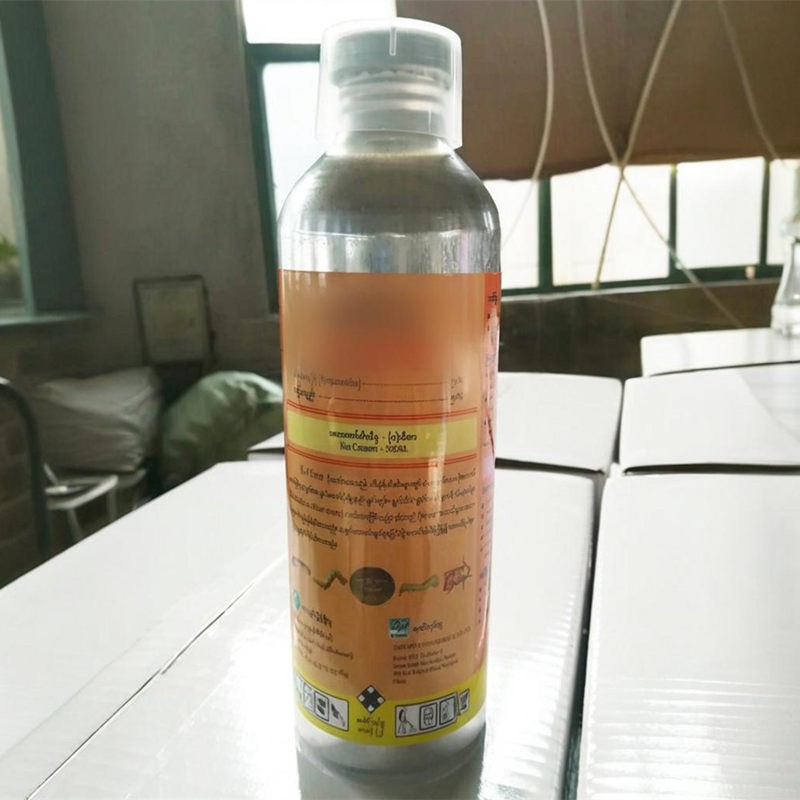
Hey there! As a tebuconazole supplier, I often get asked a bunch of questions about the product. One question that pops up quite a bit is, "Can tebuconazole be used in aerial spraying?" Well, let's dig into this topic and find out.
First off, what is tebuconazole? It's a triazole fungicide that's widely used in agriculture. It's known for its broad - spectrum activity against a variety of fungal diseases. You can find it in different formulations, like the Prothioconazole 200 G/L + Tebuconazole 200G/L FS, which combines tebuconazole with prothioconazole for enhanced efficacy.
Now, let's talk about aerial spraying. Aerial spraying is a method of applying pesticides, fertilizers, or other agricultural chemicals from an aircraft, usually a plane or a helicopter. It's a popular choice in large - scale farming because it can cover a large area quickly.

So, can tebuconazole be used in aerial spraying? The short answer is yes, it can. But there are a few things to keep in mind.
Advantages of using tebuconazole in aerial spraying
One of the main advantages is the speed of application. In large farms, time is of the essence, especially when dealing with a fungal outbreak. Aerial spraying allows you to cover a vast area in a relatively short period. For example, if you have a 1000 - acre wheat field that's being attacked by rust fungus, aerial spraying with tebuconazole can get the fungicide to the plants much faster than ground - based application methods.
Another benefit is the ability to reach areas that are difficult to access on the ground. Some fields might have rough terrain, or they could be water - logged, making it hard for tractors or other ground equipment to operate. Aerial spraying can bypass these obstacles and ensure that tebuconazole reaches all parts of the field.
Tebuconazole also has good systemic properties. When applied through aerial spraying, it can be absorbed by the plant and move within the plant tissues. This means it can protect the plant from fungi not only on the surface but also inside the plant, providing long - lasting protection.
Factors to consider
However, there are some factors that you need to take into account before using tebuconazole in aerial spraying.
Weather conditions are crucial. Wind speed and direction can have a significant impact on the effectiveness of aerial spraying. If the wind is too strong, the tebuconazole spray can drift off - target, which is not only a waste of the product but can also cause problems in neighboring areas. For example, if the spray drifts onto a non - target crop or a water body, it can have unintended consequences. It's recommended to spray when the wind speed is between 3 - 10 miles per hour.
Droplet size is another important factor. The size of the droplets produced during aerial spraying affects how well the tebuconazole is distributed on the plants. If the droplets are too large, they might not cover the plant surface evenly. On the other hand, if the droplets are too small, they are more likely to drift. You need to use the right nozzle and spraying equipment to ensure the optimal droplet size.
Regulations also play a big role. Different regions have different regulations regarding aerial spraying of pesticides, including tebuconazole. You need to make sure that you comply with all the local, state, and federal laws. Some areas might have restrictions on the amount of tebuconazole that can be applied per acre, or they might require certain safety measures to be in place during aerial spraying.
Application rates and formulations
When using tebuconazole in aerial spraying, you need to use the correct application rates. The rate depends on several factors, such as the type of crop, the severity of the fungal infection, and the formulation of tebuconazole. For example, if you're using a more concentrated formulation, you might need to use a lower volume per acre.
It's also important to choose the right formulation for aerial spraying. Some formulations are specifically designed for aerial application, as they have properties that make them more suitable for this method. For instance, they might have better adhesion to the plant surface to prevent runoff and better stability in the air.
Compatibility with other products
In many cases, farmers might want to mix tebuconazole with other pesticides or fertilizers during aerial spraying. But you need to be careful about compatibility. Not all products can be mixed together. Some combinations might cause chemical reactions that can reduce the effectiveness of tebuconazole or even damage the plants. Before mixing, it's a good idea to do a small - scale test to see if the products are compatible.
Safety precautions
Safety is always a top priority when using tebuconazole in aerial spraying. Pilots need to be properly trained in handling pesticides and following safety procedures. They should wear appropriate protective gear, such as respirators, gloves, and goggles.
The area around the spraying site also needs to be properly marked to prevent unauthorized access. And it's important to notify neighboring landowners in advance to avoid any potential conflicts.
Conclusion
In conclusion, tebuconazole can definitely be used in aerial spraying, and it offers several advantages, especially for large - scale farming. But it's important to consider factors like weather conditions, droplet size, regulations, application rates, and safety precautions.
If you're a farmer thinking about using tebuconazole in aerial spraying, or if you're just looking for more information about tebuconazole products, I'm here to help. As a supplier, I have a wealth of knowledge about tebuconazole and its various applications. Whether you need advice on the right formulation, application rates, or safety measures, feel free to reach out and we can have a chat. Let's work together to keep your crops healthy and productive.
References
- "Fungicide Handbook" - American Phytopathological Society
- "Aerial Application Technology" - Agricultural Aviation Association of America
- Product labels and technical data sheets of tebuconazole products