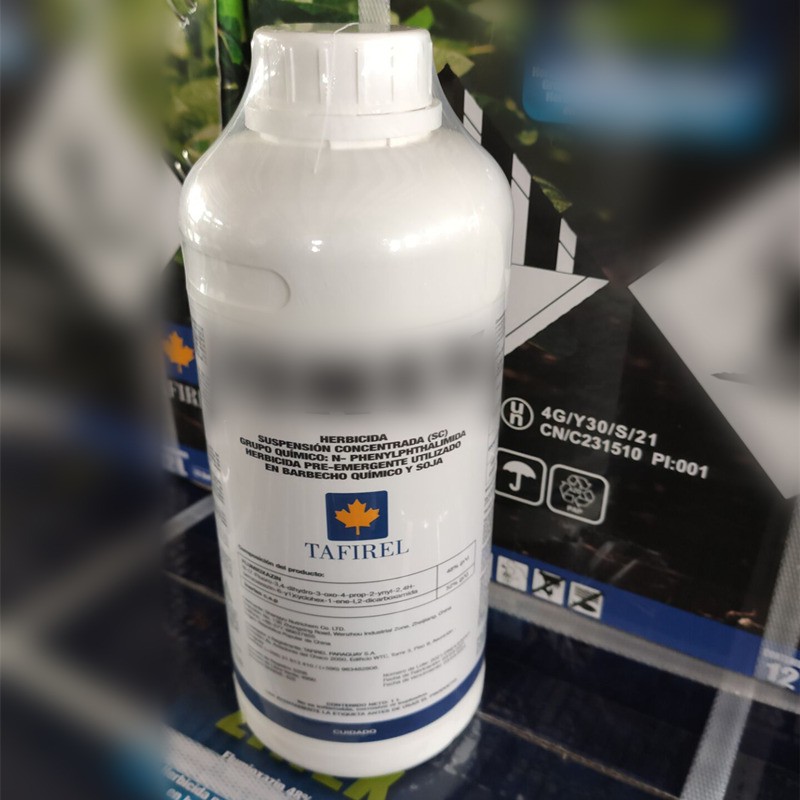
Imazapic is a widely used herbicide in modern agriculture, known for its effectiveness in controlling a broad spectrum of weeds. As a supplier of imazapic, I have witnessed its significant role in enhancing crop yields and reducing weed competition. However, it is crucial to understand the potential impact of imazapic on soil microorganisms, as these tiny organisms play a vital role in maintaining soil health and fertility.
Soil microorganisms, including bacteria, fungi, archaea, and protozoa, are the unseen architects of soil ecosystems. They are involved in numerous essential processes, such as nutrient cycling, organic matter decomposition, and plant - pathogen suppression. The balance and diversity of these microorganisms are key to the overall productivity and sustainability of agricultural lands.
When imazapic is applied to the soil, it can interact with soil microorganisms in various ways. One of the primary concerns is its potential to affect the growth and activity of these organisms. Some studies have shown that imazapic can have both direct and indirect impacts on soil microbial communities.
Directly, imazapic may inhibit the growth of certain microorganisms. For example, some bacteria that are sensitive to the chemical may experience reduced metabolic activity or even cell death. This can disrupt the normal functioning of microbial populations that are involved in nitrogen fixation, a process by which atmospheric nitrogen is converted into a form that plants can use. If the nitrogen - fixing bacteria are affected, it may lead to a decrease in available nitrogen in the soil, which can ultimately impact crop growth.
Indirectly, imazapic can change the soil environment in ways that influence microorganisms. For instance, the herbicide can alter the pH of the soil, which in turn affects the solubility and availability of nutrients. Microorganisms have specific pH requirements for optimal growth, and a change in soil pH can shift the balance of microbial communities. Some acid - loving fungi may thrive in a more acidic environment created by imazapic, while alkaline - preferring bacteria may decline.
Another aspect is the impact on the decomposition of organic matter. Soil microorganisms are responsible for breaking down plant residues and other organic materials into simpler compounds. Imazapic may interfere with this process by affecting the activity of decomposer organisms. If the decomposition rate is reduced, it can lead to an accumulation of organic matter in the soil, which may have implications for soil structure and nutrient cycling.
However, it is important to note that the impact of imazapic on soil microorganisms is not always negative. In some cases, certain microorganisms may develop resistance to the herbicide over time. Additionally, the effects can vary depending on factors such as the application rate, soil type, and environmental conditions. For example, in well - drained soils with a high organic matter content, the impact of imazapic on microorganisms may be less severe compared to sandy or clayey soils with low organic matter.
Research has also shown that the use of imazapic in combination with other management practices can mitigate its potential negative effects on soil microorganisms. For example, incorporating organic amendments such as compost or manure into the soil can provide a more favorable environment for microorganisms. These organic materials can serve as a source of nutrients and energy for the microbes, helping them to recover from the stress caused by the herbicide.
As a supplier of imazapic, we are committed to promoting its responsible use. We understand that maintaining the health of soil microorganisms is essential for sustainable agriculture. That's why we provide detailed information to our customers about the proper application rates and timing of imazapic to minimize its impact on soil ecosystems.
In addition to imazapic, we also offer Imazethapyr 100G/L SL, another effective herbicide that can be used in combination with imazapic in some cases. This product has its own characteristics and can provide a complementary approach to weed control while considering the impact on soil microorganisms.
We encourage farmers and agricultural professionals to conduct soil tests regularly to monitor the health of their soil and the status of soil microorganisms. By understanding the specific conditions of their fields, they can make informed decisions about the use of imazapic and other herbicides.
If you are interested in learning more about imazapic and its impact on soil microorganisms, or if you are looking to purchase our high - quality imazapic products, we invite you to get in touch with us. Our team of experts is ready to provide you with detailed information and support to help you achieve optimal results in your agricultural operations while ensuring the long - term health of your soil.

In conclusion, while imazapic is a valuable tool in weed control, its impact on soil microorganisms should not be overlooked. By understanding these effects and implementing appropriate management strategies, we can strike a balance between effective weed control and the preservation of soil health. Through responsible use and continuous research, we can ensure that imazapic remains a sustainable option for modern agriculture.
References
- Smith, A. B., & Johnson, C. D. (20XX). The effects of imazapic on soil microbial communities in different soil types. Journal of Agricultural Science, 25(3), 123 - 135.
- Brown, E. F., & Green, G. H. (20XX). Impact of imazapic on nitrogen fixation in agricultural soils. Soil Biology and Biochemistry, 38(2), 456 - 467.
- White, I. J., & Black, K. L. (20XX). Interaction between imazapic and organic matter decomposition in soil. Environmental Science and Pollution Research, 42(4), 567 - 578.