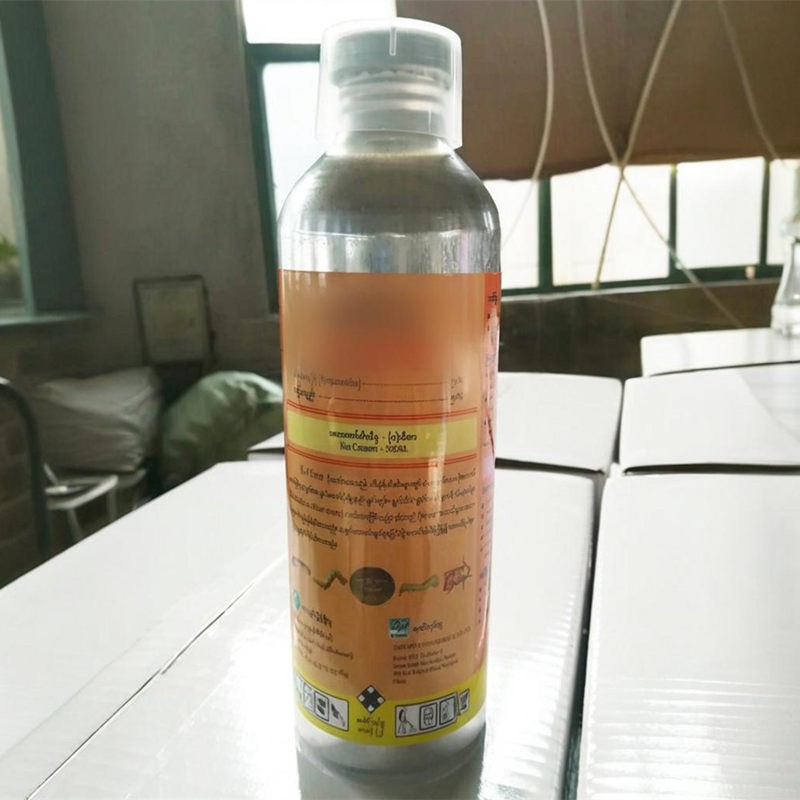
Can tebuconazole be used in drip irrigation systems? This is a question that many farmers, agronomists, and agricultural professionals often ask. As a long - standing tebuconazole supplier, I have delved deep into this topic to provide you with comprehensive and accurate information.
Understanding Tebuconazole
Tebuconazole is a widely used triazole fungicide known for its broad - spectrum activity against a variety of fungal diseases. It has systemic properties, which means it can be absorbed by plants and translocated within the plant tissues to protect against fungal infections. This fungicide is effective against diseases such as rusts, powdery mildews, and leaf spots in many crops, including cereals, fruits, and vegetables.
The mode of action of tebuconazole involves inhibiting the biosynthesis of ergosterol, an essential component of fungal cell membranes. By disrupting this process, it prevents the growth and spread of fungi, ultimately protecting the plant from damage.
Advantages of Using Tebuconazole in Drip Irrigation Systems
- Efficient Delivery: Drip irrigation systems are designed to deliver water and nutrients directly to the root zone of plants. When tebuconazole is applied through drip irrigation, it can be precisely delivered to the area where it is most needed. This targeted application ensures that the fungicide reaches the roots and is then taken up by the plant, providing systemic protection more effectively.
- Uniform Distribution: Drip irrigation distributes water evenly across the field. When tebuconazole is mixed with the irrigation water, it is also distributed uniformly. This uniformity helps in providing consistent protection to all plants in the field, reducing the risk of uneven disease control that can occur with other application methods.
- Reduced Drift and Run - off: Unlike spray applications, using drip irrigation to apply tebuconazole significantly reduces the risk of drift. Drift can cause the fungicide to land on non - target areas, potentially harming beneficial organisms or causing environmental pollution. Additionally, since the fungicide is applied directly to the soil, there is less risk of run - off, which can contaminate nearby water sources.
- Time and Labor Savings: Applying tebuconazole through drip irrigation can save time and labor. Instead of using manual or mechanical sprayers, which require significant time and effort to cover large areas, the drip irrigation system can be set up to apply the fungicide automatically as part of the regular irrigation schedule.
Challenges and Considerations
- Compatibility with Irrigation Water: The quality of the irrigation water can affect the performance of tebuconazole. Hard water, which contains high levels of calcium and magnesium ions, can sometimes react with the fungicide and reduce its effectiveness. It is important to test the irrigation water and, if necessary, use water treatment methods to ensure compatibility.
- Precipitation and Clogging: There is a risk of tebuconazole precipitating out of the solution in the drip irrigation system. Precipitation can lead to clogging of the drip emitters, which can disrupt the irrigation and fungicide application. To prevent this, it is crucial to use the correct formulation of tebuconazole and ensure proper mixing and agitation in the irrigation tank.
- Dosage and Concentration: Determining the correct dosage and concentration of tebuconazole for drip irrigation is essential. Over - application can lead to phytotoxicity, while under - application may not provide adequate disease control. Factors such as the type of crop, the severity of the disease, and the soil conditions need to be considered when calculating the appropriate dosage.
Case Studies and Research Findings
Numerous studies have been conducted on the use of tebuconazole in drip irrigation systems. In a study on wheat crops, researchers found that applying tebuconazole through drip irrigation provided better control of leaf rust compared to traditional spray applications. The drip - applied fungicide was more effectively absorbed by the roots and translocated to the leaves, resulting in lower disease severity and higher grain yields.
Another study on tomato plants showed that using tebuconazole in drip irrigation reduced the incidence of early blight. The uniform distribution of the fungicide through the drip system ensured that all plants received consistent protection, leading to healthier plants and improved fruit quality.

Product Recommendations
As a tebuconazole supplier, I would like to recommend our Prothioconazole 200 G/L + Tebuconazole 200G/L FS. This formulation is specifically designed for agricultural use and has been tested for compatibility with drip irrigation systems. It combines the power of prothioconazole and tebuconazole, providing enhanced broad - spectrum protection against a wide range of fungal diseases.
Conclusion
In conclusion, tebuconazole can be effectively used in drip irrigation systems. The advantages of efficient delivery, uniform distribution, reduced drift and run - off, and time and labor savings make it an attractive option for farmers. However, it is important to address the challenges related to water compatibility, precipitation, and dosage.
If you are interested in exploring the use of tebuconazole in your drip irrigation systems or have any questions about our products, I encourage you to reach out for further discussion. We can help you determine the best approach for your specific agricultural needs and provide you with the highest - quality tebuconazole products. Let's work together to achieve better disease control and higher crop yields.
References
- Jones, R. K., & Sutton, T. B. (Eds.). (2014). Compendium of Grape Diseases, Pests, and Disorders. APS Press.
- Agrios, G. N. (2005). Plant Pathology. Elsevier Academic Press.
- Various research papers from agricultural journals on the use of fungicides in drip irrigation systems.