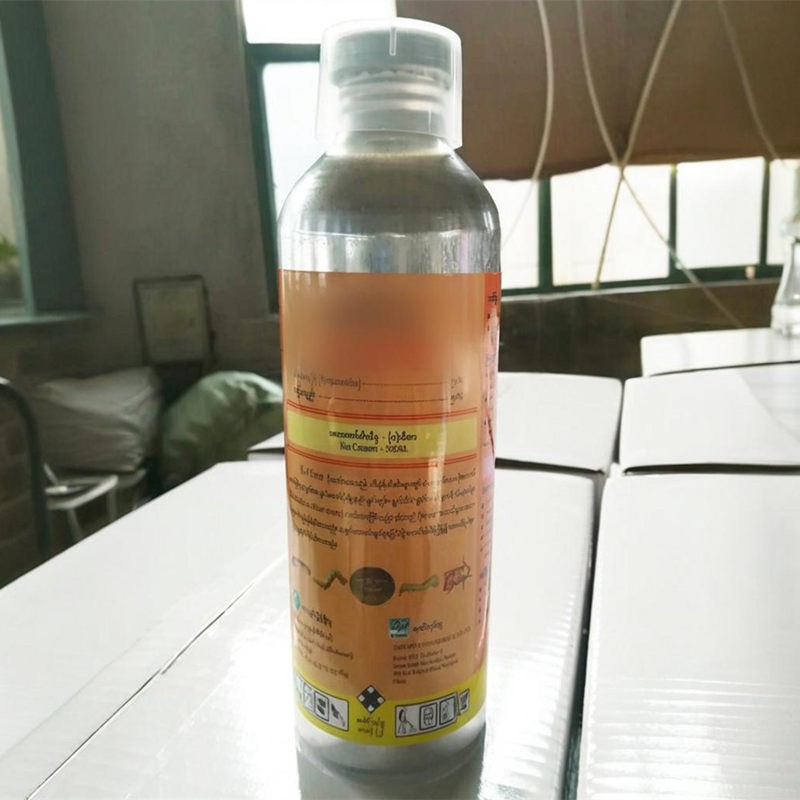
Fluroxypyr is a widely recognized herbicide in the agricultural and landscaping industries, known for its effectiveness against a variety of broad - leaf weeds. As a supplier of fluroxypyr, I often receive inquiries from lawn owners, landscapers, and turf management professionals about whether fluroxypyr can be used on lawns. In this blog, I will delve into the science behind fluroxypyr, its suitability for lawn applications, and considerations for its use.
Understanding Fluroxypyr
Fluroxypyr belongs to the pyridine carboxylic acid family of herbicides. It works by mimicking the plant growth hormone auxin, causing uncontrolled and disorganized growth in susceptible plants. This ultimately leads to the death of the targeted broad - leaf weeds. Fluroxypyr is selective, meaning it has a relatively low impact on grasses while being highly effective against many common broad - leaf weeds such as dandelions, clover, plantains, and thistles.
One of the key advantages of fluroxypyr is its systemic action. Once applied, it is absorbed by the leaves and roots of the weeds and then translocated throughout the plant. This ensures that even the parts of the weed that are not directly sprayed are affected, providing a more thorough control of the weed population.
Suitability for Lawns
The answer to whether fluroxypyr can be used on lawns is generally yes, but with some important caveats.

Positive Aspects
-
Weed Control Efficacy: As mentioned earlier, fluroxypyr is very effective against a wide range of broad - leaf weeds. In lawns, these weeds can be a significant aesthetic and functional problem. They compete with the grass for nutrients, water, and sunlight, and can also create an uneven and unkempt appearance. By using fluroxypyr, lawn owners can effectively reduce the presence of these weeds, promoting a healthier and more attractive lawn.
-
Selectivity for Grasses: Most common lawn grasses, such as Kentucky bluegrass, fescue, and ryegrass, are tolerant to fluroxypyr. This means that when applied at the recommended rates, fluroxypyr will target the broad - leaf weeds without causing significant damage to the grass. This selectivity allows for precise weed control without sacrificing the integrity of the lawn.
-
Long - lasting Effect: Fluroxypyr has a relatively long residual activity in the soil. This means that after application, it can continue to control emerging weeds for an extended period. This is particularly beneficial for lawns, as it reduces the need for frequent re - applications and provides more consistent weed control over time.
Considerations
- Lawn Type: While most common lawn grasses are tolerant to fluroxypyr, there are some exceptions. For example, certain warm - season grasses like St. Augustinegrass may be more sensitive to fluroxypyr, especially at higher application rates. It is crucial to identify the type of grass in your lawn before using fluroxypyr and to check the product label for specific recommendations regarding grass tolerance.
- Application Timing: The timing of fluroxypyr application is critical. It is generally recommended to apply fluroxypyr when the weeds are actively growing. This is usually in the spring or fall when the temperatures are moderate. Applying fluroxypyr during periods of extreme heat, cold, or drought can reduce its effectiveness and may also increase the risk of damage to the lawn.
- Environmental Conditions: Environmental factors such as rainfall, wind, and soil moisture can also affect the performance of fluroxypyr. Heavy rainfall shortly after application can wash the herbicide off the leaves before it is fully absorbed, reducing its efficacy. On the other hand, windy conditions can cause the herbicide to drift onto non - target areas, potentially causing damage to other plants. It is important to check the weather forecast before applying fluroxypyr and to follow the application instructions carefully.
Product Formulations
As a fluroxypyr supplier, I offer a variety of product formulations to meet the different needs of our customers. One of our popular products is Fluroxypyr 140G/L + Aminopyralid 10G/L EC. This formulation combines the weed - controlling power of fluroxypyr with aminopyralid, another herbicide that is effective against a wide range of broad - leaf weeds, including some that are particularly difficult to control.
The combination of fluroxypyr and aminopyralid provides a broader spectrum of weed control and enhanced efficacy. Aminopyralid is especially effective against thistles, knapweeds, and other deep - rooted weeds. By using this formulation, lawn owners can achieve more comprehensive weed control in their lawns.
Application Guidelines
When using fluroxypyr on lawns, it is essential to follow the application guidelines carefully.
- Read the Label: The product label contains important information about the recommended application rates, timing, safety precautions, and any restrictions. It is the law to follow the label instructions, and doing so will ensure the safe and effective use of fluroxypyr.
- Calibrate Your Equipment: Whether you are using a handheld sprayer or a larger tractor - mounted sprayer, it is important to calibrate your equipment to ensure that you are applying the correct amount of herbicide. Over - application can damage the lawn, while under - application may not provide adequate weed control.
- Wear Protective Gear: When handling and applying fluroxypyr, it is important to wear appropriate protective gear, such as gloves, goggles, and long - sleeved clothing. This will protect you from potential exposure to the herbicide.
- Keep Children and Pets Away: After applying fluroxypyr, keep children and pets off the lawn until the herbicide has dried completely. This will reduce the risk of accidental exposure.
Contact for Purchase and Consultation
If you are interested in purchasing fluroxypyr products for your lawn or have any questions about its use, I encourage you to contact us. Our team of experts is available to provide you with detailed information, product recommendations, and technical support. Whether you are a professional landscaper or a homeowner looking to maintain a beautiful lawn, we can help you find the right solution for your weed control needs.
References
- Tomlin, C. D. S. (Ed.). (2009). The Pesticide Manual: A World Compendium. British Crop Protection Council.
- University of California Agriculture and Natural Resources. (2021). Pest Notes: Weed Management in Turf.
In conclusion, fluroxypyr can be a valuable tool for lawn weed control when used correctly. By understanding its properties, considering the specific conditions of your lawn, and following the application guidelines, you can achieve effective and safe weed control, resulting in a healthier and more beautiful lawn.