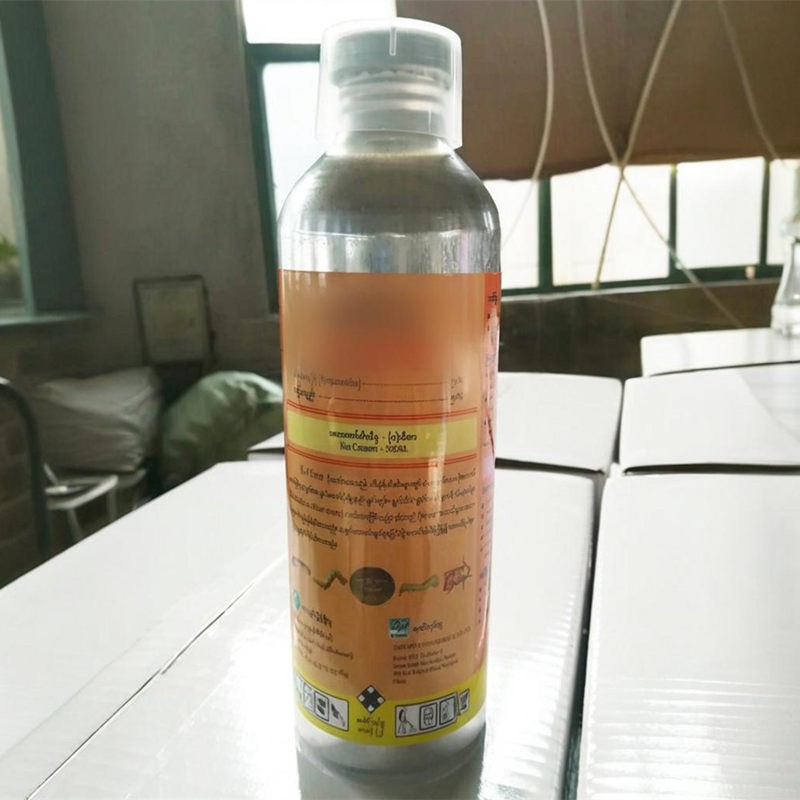
Can Tebuconazole Be Used in Low - Temperature Conditions?
As a well - established supplier of tebuconazole, I've received numerous inquiries regarding its performance under low - temperature conditions. This topic is of great significance to farmers, agricultural professionals, and anyone involved in crop protection, as temperature can significantly impact the efficacy and safety of fungicides. In this blog, I aim to delve into the science behind tebuconazole's behavior in cold environments, providing you with comprehensive insights to make informed decisions.
Understanding Tebuconazole
Tebuconazole is a widely used triazole fungicide known for its broad - spectrum activity against various fungal diseases. It works by inhibiting the biosynthesis of ergosterol, an essential component of fungal cell membranes. This disruption leads to the growth inhibition and eventual death of the fungus, protecting crops from diseases such as rusts, powdery mildews, and leaf spots.
One of the reasons for tebuconazole's popularity is its systemic nature. Once applied to the plant, it is absorbed and translocated within the plant tissues, providing long - lasting protection. However, the effectiveness of this translocation and the overall performance of tebuconazole can be influenced by environmental factors, including temperature.
The Impact of Low Temperatures on Tebuconazole
1. Absorption and Translocation
Low temperatures can slow down the physiological processes of plants. In the case of tebuconazole, cold conditions may reduce the plant's ability to absorb the fungicide from the application site. The movement of water and nutrients within the plant, which is crucial for the uptake and translocation of tebuconazole, is also affected. At lower temperatures, the transpiration rate of plants decreases, leading to a slower movement of the fungicide through the xylem and phloem.

Research has shown that the absorption and translocation of tebuconazole are optimal at moderate temperatures. When the temperature drops, the efficiency of these processes can decline, potentially reducing the amount of fungicide that reaches the target sites within the plant. This may result in less effective disease control, especially if the application is made during a cold spell.
2. Fungicidal Activity
The activity of tebuconazole against fungi can also be influenced by temperature. Fungi have different growth rates and metabolic activities at various temperatures. Some fungi may become less active or enter a dormant state in cold conditions, which can affect the interaction between tebuconazole and the fungus.
Tebuconazole's mode of action relies on interfering with the fungal cell membrane synthesis. In low - temperature environments, the metabolic processes of fungi may slow down, making them less susceptible to the fungicide's effects. Additionally, the reduced mobility of tebuconazole within the plant may limit its contact with the fungus, further compromising its fungicidal activity.
3. Persistence and Residue
Low temperatures can affect the persistence of tebuconazole in the environment. In general, the degradation of pesticides is slower at lower temperatures. This means that tebuconazole may remain in the soil or on the plant surface for a longer time under cold conditions. While this may seem beneficial in terms of extended protection, it also raises concerns about potential residue accumulation.
Excessive residue levels can have implications for food safety and environmental health. Farmers need to be aware of the potential for residue build - up when using tebuconazole in low - temperature regions, especially if multiple applications are made.
Case Studies and Practical Experiences
There have been several field studies and practical experiences that shed light on tebuconazole's performance in low - temperature conditions. In some cases, farmers have reported reduced disease control when applying tebuconazole during cold weather. For example, in regions with early - season cold snaps, applications of tebuconazole for controlling wheat rusts have shown less than optimal results.
However, it's important to note that the impact of low temperatures can vary depending on the specific crop, the type of fungal disease, and the formulation of tebuconazole. Some formulations may be more resistant to the effects of cold temperatures than others. For instance, the Prothioconazole 200 G/L + Tebuconazole 200G/L FS formulation has been designed to enhance the performance of tebuconazole under various environmental conditions, including low temperatures. This combination product may offer better absorption and translocation properties, improving its effectiveness in cold weather.
Strategies for Using Tebuconazole in Low - Temperature Conditions
Despite the challenges posed by low temperatures, there are several strategies that can be employed to ensure the effective use of tebuconazole.
1. Timing of Application
Avoid applying tebuconazole during periods of extremely low temperatures. Instead, wait for a period when the temperature is expected to rise. This allows the plant to better absorb and translocate the fungicide, increasing its chances of reaching the target sites. Monitoring the weather forecast is crucial for making informed application decisions.
2. Application Rate and Frequency
In low - temperature conditions, it may be necessary to adjust the application rate and frequency. A slightly higher application rate may be required to compensate for the reduced absorption and translocation. However, this should be done with caution to avoid excessive residue levels. Additionally, multiple applications may be needed to maintain adequate disease control, but the interval between applications should be carefully considered to prevent over - use.
3. Formulation Selection
Choose a formulation of tebuconazole that is specifically designed for use in low - temperature conditions. As mentioned earlier, products like the Prothioconazole 200 G/L + Tebuconazole 200G/L FS may offer better performance in cold weather. These formulations often contain additives or synergistic ingredients that enhance the fungicide's activity and stability at lower temperatures.
Conclusion
In conclusion, while tebuconazole can be used in low - temperature conditions, its performance may be affected by the cold environment. The absorption, translocation, fungicidal activity, and persistence of tebuconazole can all be influenced by low temperatures. However, with proper understanding and the implementation of appropriate strategies, it is possible to achieve effective disease control with tebuconazole even in cold regions.
As a supplier, I am committed to providing high - quality tebuconazole products and technical support to help you overcome the challenges associated with low - temperature applications. If you are interested in learning more about our tebuconazole products or have any questions regarding their use in low - temperature conditions, I encourage you to reach out to us for a procurement discussion. We can work together to develop a customized solution that meets your specific needs and ensures the health and productivity of your crops.
References
- "The Influence of Temperature on the Uptake and Translocation of Triazole Fungicides in Plants" - Journal of Agricultural and Food Chemistry
- "Effect of Low Temperatures on the Activity of Tebuconazole Against Fungal Pathogens" - Phytopathology Research
- "Persistence of Tebuconazole in Cold Environments" - Environmental Science and Pollution Research