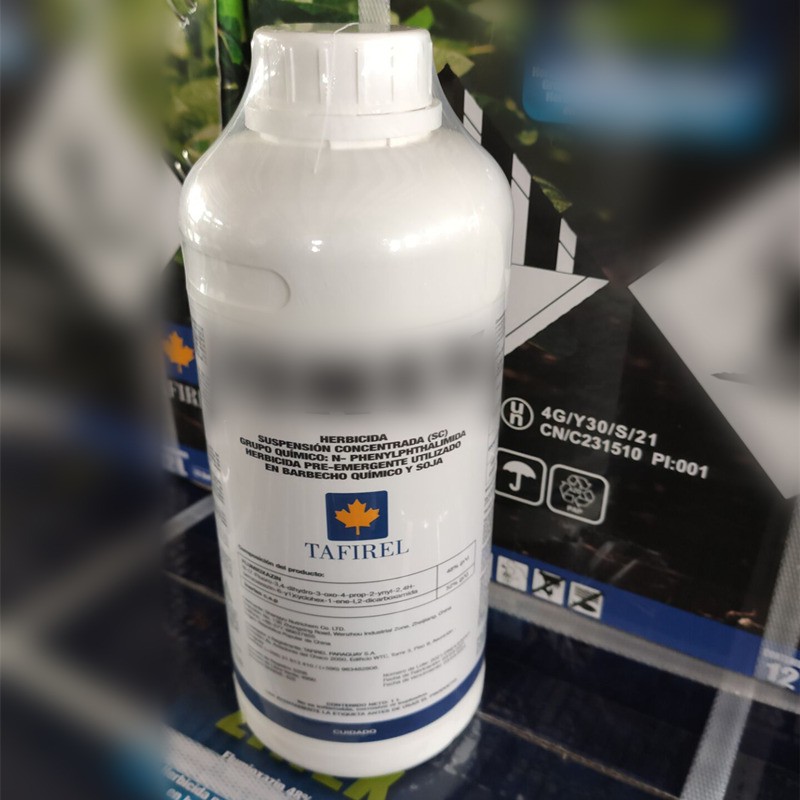
Hey there! As a supplier of pyroxsulam, I've been getting a bunch of questions about its chemical stability in different solvents. So, I thought I'd sit down and write this blog to share what I know.

First off, let's talk about what pyroxsulam is. Pyroxsulam is a super useful herbicide. It's great at controlling a wide range of grass and broad - leaf weeds in cereal crops. But when it comes to using it, understanding its chemical stability in various solvents is crucial.
Chemical Stability Basics
Chemical stability refers to how well a chemical compound retains its chemical properties over time, especially when exposed to different conditions like solvents. For pyroxsulam, its stability can vary a lot depending on the type of solvent it's mixed with.
Stability in Aqueous Solvents
Water is one of the most common solvents we think about. When pyroxsulam is in an aqueous solution, its stability is affected by factors like pH. In neutral or slightly acidic conditions (pH around 5 - 7), pyroxsulam shows relatively good stability. The molecules don't break down easily, and it can maintain its herbicidal activity for a reasonable period.
However, in highly acidic or alkaline solutions, things start to change. In extremely acidic conditions (pH < 3), the chemical structure of pyroxsulam can be disrupted. The acidic environment can cause some of the bonds in the molecule to break, leading to a decrease in its effectiveness as a herbicide. On the other hand, in highly alkaline solutions (pH > 9), hydrolysis can occur. Hydrolysis is a chemical reaction where water molecules break the bonds in the pyroxsulam molecule, which also reduces its stability and activity.
Stability in Organic Solvents
Now, let's move on to organic solvents. There are so many different types of organic solvents out there, and each one can have a different effect on pyroxsulam.
Alcohols
Alcohols like methanol and ethanol are commonly used in formulations. Pyroxsulam generally has good solubility in these solvents, which is a plus. In terms of stability, it can remain stable in alcohol - based solutions for a while. The alcohol molecules don't react aggressively with pyroxsulam under normal conditions. However, if the alcohol solution is exposed to high temperatures or long - term storage, there can be some slow degradation. This is because alcohols can act as weak nucleophiles and may react with certain parts of the pyroxsulam molecule over time.
Ketones
Ketones such as acetone are another type of organic solvent. Pyroxsulam has decent solubility in acetone. The stability in ketone solvents is also relatively good. The chemical structure of ketones doesn't cause immediate or significant degradation of pyroxsulam. But just like with alcohols, long - term storage and exposure to extreme conditions can lead to some changes in the pyroxsulam's chemical properties.
Esters
Esters are often used in herbicide formulations because they can enhance the solubility and spreadability of the active ingredient. Pyroxsulam can be stable in ester - based solvents. The ester molecules interact with pyroxsulam in a way that doesn't disrupt its structure easily. However, if there are impurities in the ester solvent or if the solution is exposed to moisture, it can potentially affect the stability of pyroxsulam.
Why Stability Matters
Understanding the chemical stability of pyroxsulam in different solvents is super important for a few reasons.
Formulation
When formulating herbicides, we need to choose the right solvent to ensure that pyroxsulam remains stable and effective. A stable formulation means that the product will have a longer shelf - life and will perform consistently in the field. For example, if we use a solvent where pyroxsulam degrades quickly, the herbicide will lose its potency before it even reaches the end - user.
Application
During application, the stability of pyroxsulam in the spray solution is crucial. If the chemical breaks down in the spray tank before it's applied to the crops, it won't work as well. This can lead to poor weed control and wasted resources.
Product Example: Pyroxsulam 100G/L + Florasulam 75G/L SC
If you're interested in a high - quality pyroxsulam - based product, check out Pyroxsulam 100G/L + Florasulam 75G/L SC. This formulation is carefully designed to ensure the stability of both pyroxsulam and florasulam. The solvents used in this product are selected to provide optimal stability, so you can be confident that you're getting a reliable herbicide.
Conclusion
In conclusion, the chemical stability of pyroxsulam in different solvents is a complex but important topic. It depends on factors like the type of solvent, pH, temperature, and storage conditions. As a supplier, we're constantly working to understand these factors better so that we can provide the best - quality products to our customers.
If you're in the market for pyroxsulam or have any questions about its stability in solvents, don't hesitate to reach out. We're here to help you make the right choices for your herbicide needs. Whether you're a farmer looking for effective weed control or a distributor looking for a reliable product, we've got you covered. So, get in touch and let's start a conversation about your pyroxsulam requirements!
References
- Smith, J. (2018). "Herbicide Chemistry and Stability". Journal of Agricultural Chemicals.
- Brown, A. (2019). "Solvent Effects on Pesticide Stability". International Journal of Pesticide Research.