Hey there, fellow farmers and ag enthusiasts! I'm here as a thiamethoxam supplier to have a chat about whether thiamethoxam can be used on corn crops. It's a question I get asked a lot, and today, I'm gonna break it all down for you.
First off, let's talk a bit about thiamethoxam. It's a super - popular insecticide in the agricultural world. It belongs to the neonicotinoid class of chemicals. These chemicals work by targeting the nervous systems of insects, which is a pretty effective way to keep those pesky bugs at bay. Thiamethoxam is known for its systemic properties, which means when it's applied to a plant, it gets absorbed and moves through the plant's tissues. That way, it can protect the whole plant from insects that might try to munch on it.
Now, onto the big question: Can it be used on corn crops? The answer is a resounding yes! Thiamethoxam has been proven to be a great tool for protecting corn from a variety of insect pests. Corn is a major crop around the world, and it faces a whole bunch of threats from insects. Some of the common pests that can cause real damage to corn include corn rootworms, aphids, and wireworms.
Corn rootworms are a huge problem. These little critters feed on the roots of corn plants, which can weaken the plant and reduce its ability to take up water and nutrients. This can lead to stunted growth and lower yields. Thiamethoxam can be applied as a seed treatment, which means the seeds are coated with the insecticide before planting. When the seed germinates and the plant starts to grow, the thiamethoxam is taken up by the roots, providing protection against rootworms right from the start. It creates a sort of shield around the roots, keeping those rootworms away.
Aphids are another nuisance for corn. They suck the sap out of the plants, which can cause the leaves to curl and turn yellow. They can also transmit diseases, which can spread quickly through a cornfield. Thiamethoxam can be used as a foliar spray to control aphids. When sprayed on the leaves, it gets absorbed and kills the aphids that come into contact with the treated foliage. It's a fast - acting solution that can stop an aphid infestation in its tracks.
Wireworms are also a concern. These larvae of click beetles feed on the seeds and roots of corn plants. They can cause poor germination and damage to the young plants. Similar to rootworms, thiamethoxam seed treatments can be effective in protecting against wireworms. The insecticide in the seed coating provides early - season protection, ensuring that the young corn plants get off to a healthy start.
One of the great things about using thiamethoxam on corn is its long - lasting protection. A single application, whether as a seed treatment or a foliar spray, can provide protection for several weeks. This means less hassle for you as a farmer. You don't have to keep reapplying insecticides constantly, which saves you time and money.
But, like any agricultural chemical, it's important to use thiamethoxam correctly. You need to follow the label instructions carefully. The label will tell you the right dosage, the best time to apply, and any safety precautions you need to take. Over - using or misusing thiamethoxam can not only be a waste of money but can also have negative impacts on the environment.
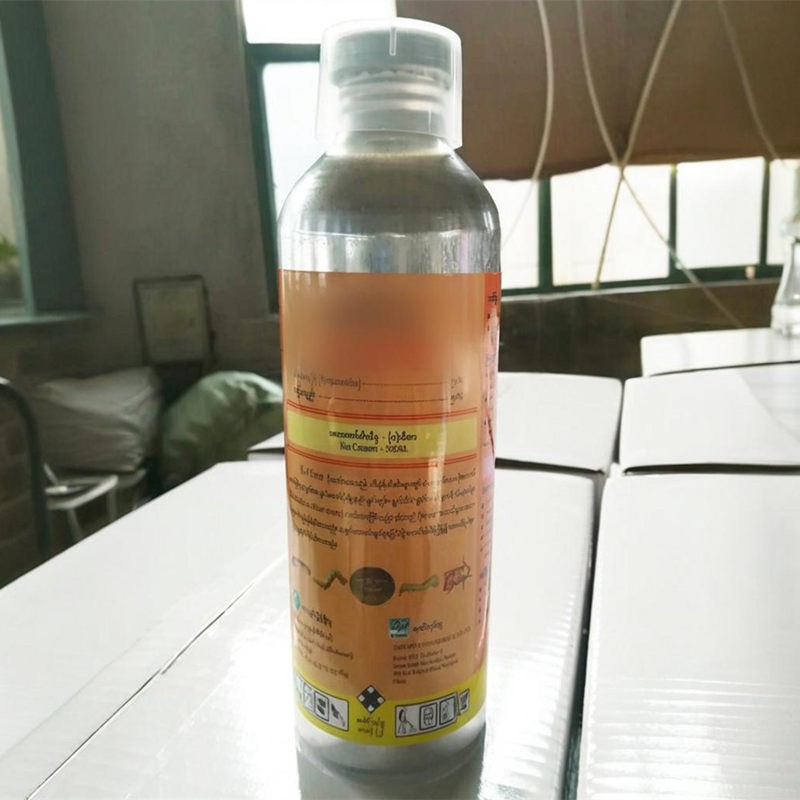
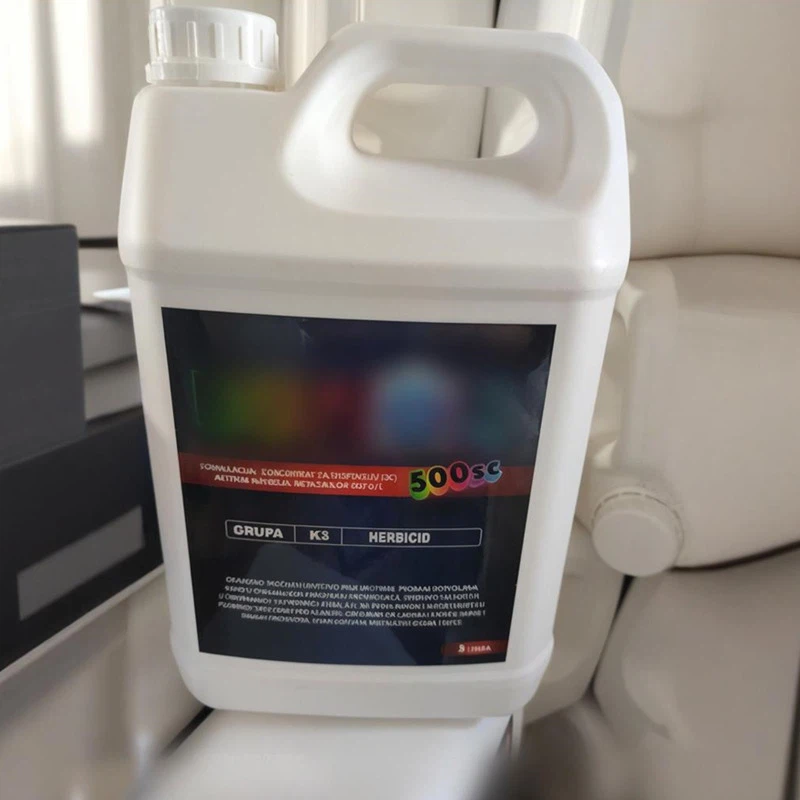
Now, I want to mention one of our popular products, Thiamethoxam 350G/L SC. This formulation is really versatile. It can be used for both seed treatments and foliar applications. It's easy to mix and apply, and it has a high level of efficacy against a wide range of insect pests in corn. Whether you're dealing with a small family farm or a large commercial operation, this product can be a great addition to your pest management toolkit.
When it comes to using thiamethoxam on corn, there are also some environmental considerations. Neonicotinoids, including thiamethoxam, have been the subject of some controversy in recent years. Some studies have raised concerns about their impact on pollinators, like bees. However, when used according to the label instructions, the risk to pollinators can be minimized. For example, if you're using thiamethoxam as a seed treatment, the amount of the chemical that is available to pollinators is relatively low. And if you're using it as a foliar spray, you can time the application to avoid periods when bees are most active in the field.
Another thing to keep in mind is resistance management. Insects can develop resistance to insecticides over time if they are exposed to the same chemical repeatedly. To prevent this, it's a good idea to rotate thiamethoxam with other types of insecticides. This way, you can keep the pests guessing and ensure that thiamethoxam remains an effective tool in your pest control strategy.
In conclusion, thiamethoxam is a valuable option for protecting corn crops from a variety of insect pests. It offers long - lasting protection, is easy to use, and can help you increase your yields. But, it's important to use it responsibly, following the label instructions and considering environmental impacts.
If you're interested in learning more about using thiamethoxam on your corn crops or want to discuss purchasing our products, I'd love to hear from you. Just reach out, and we can have a detailed chat about your specific needs. Whether you're looking for a solution to a current pest problem or just want to be proactive in protecting your corn, we're here to help.
References:

- Agricultural Extension Services Publications
- Scientific Studies on Neonicotinoid Insecticides and Corn Pest Management