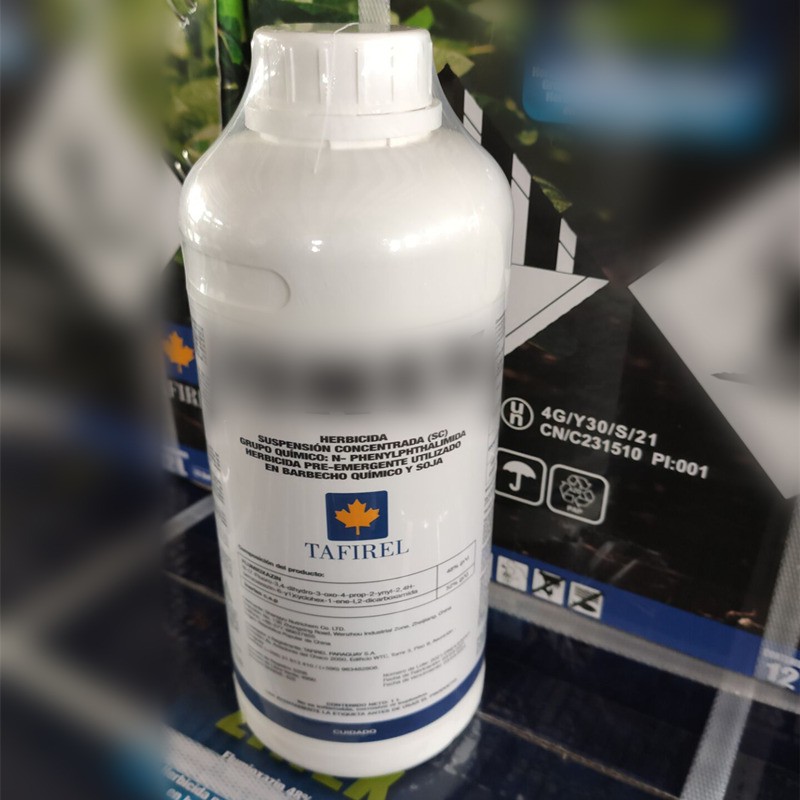
MCPA, or 2-methyl-4-chlorophenoxyacetic acid, is a widely used herbicide in the agricultural and horticultural sectors. As a supplier of MCPA products, I often receive inquiries from home gardeners about the suitability of using MCPA in their gardens. In this blog post, I will explore the question of whether MCPA can be used in home gardens, considering its effectiveness, safety, and potential impacts.
Understanding MCPA
MCPA is a synthetic auxin herbicide that mimics the plant hormone auxin. It works by disrupting the normal growth processes of broadleaf plants, leading to uncontrolled growth, curling, and eventual death. This makes it particularly effective against a wide range of broadleaf weeds, including dandelions, clover, and plantain.
MCPA is available in various formulations, including liquids, granules, and soluble powders. One of our popular products is MCPA 650G/L SL, which is a concentrated liquid formulation that can be easily diluted and applied using a sprayer.
Effectiveness in Home Gardens
When used correctly, MCPA can be highly effective in controlling broadleaf weeds in home gardens. It targets the weeds while leaving most grasses unharmed, making it suitable for use in lawns, flower beds, and vegetable gardens.
In lawns, MCPA can help to maintain a healthy, weed-free appearance. By eliminating broadleaf weeds, it allows the grass to grow more vigorously and compete better for nutrients, water, and sunlight. This can result in a thicker, greener lawn that is more resistant to pests and diseases.
In flower beds and vegetable gardens, MCPA can be used to control weeds that compete with the desired plants for resources. However, it is important to be careful when applying MCPA in these areas, as some plants may be sensitive to the herbicide. Before using MCPA, it is recommended to test a small area of the garden to ensure that the plants are not affected.
Safety Considerations
While MCPA is generally considered safe when used according to the label instructions, it is important to take certain precautions to minimize the risk of exposure. MCPA is toxic if swallowed, inhaled, or absorbed through the skin, and it can cause irritation to the eyes, skin, and respiratory system.
When handling MCPA, it is recommended to wear protective clothing, including gloves, goggles, and a respirator. Avoid contact with the skin and eyes, and wash thoroughly with soap and water after handling the herbicide. It is also important to keep children and pets away from the treated area until the herbicide has dried.
In addition, it is important to follow the label instructions carefully when applying MCPA. Do not exceed the recommended dosage, and avoid applying the herbicide in windy conditions or when rain is expected within 24 hours. This can help to prevent the herbicide from drifting onto non-target plants or into water sources.
Potential Impacts on the Environment
MCPA can have some potential impacts on the environment if not used properly. It can be toxic to aquatic organisms, such as fish and amphibians, and it can also contaminate water sources if it is washed off into streams, rivers, or lakes.
To minimize the environmental impact of MCPA, it is important to use it only when necessary and to follow the label instructions carefully. Avoid applying the herbicide near water sources, and do not overspray or allow the herbicide to run off into drains or waterways. It is also recommended to use MCPA in combination with other weed control methods, such as hand weeding or mulching, to reduce the amount of herbicide needed.
Alternatives to MCPA
If you are concerned about the safety or environmental impact of using MCPA in your home garden, there are several alternatives that you can consider. These include:
- Hand weeding: This is the most natural and environmentally friendly way to control weeds. It involves manually removing the weeds from the garden using a hoe, trowel, or other hand tools. While it can be time-consuming, it is effective and does not require the use of chemicals.
- Mulching: Mulching involves covering the soil around the plants with a layer of organic material, such as straw, leaves, or wood chips. This helps to suppress weed growth by blocking out the sunlight and preventing the weeds from germinating. Mulching also helps to retain moisture in the soil and improve its fertility.
- Natural herbicides: There are several natural herbicides available on the market that are made from plant extracts or other natural ingredients. These herbicides are generally less toxic than synthetic herbicides and can be effective in controlling weeds. However, they may require more frequent applications and may not be as effective as synthetic herbicides in some cases.
Conclusion
In conclusion, MCPA can be used in home gardens to control broadleaf weeds, but it is important to use it safely and responsibly. When used according to the label instructions, MCPA can be an effective and convenient way to maintain a healthy, weed-free garden. However, it is important to take certain precautions to minimize the risk of exposure and to protect the environment.

If you are considering using MCPA in your home garden, I recommend that you consult with a professional gardener or horticulturist for advice. They can help you to determine whether MCPA is the right herbicide for your needs and can provide you with guidance on how to use it safely and effectively.
If you have any questions or would like to learn more about our MCPA products, please do not hesitate to contact us. We are happy to assist you with your weed control needs and to help you find the best solution for your home garden.
References
- "MCPA: A Review of Its Use and Environmental Impact." Journal of Environmental Science and Health, Part B.
- "Herbicide Handbook." Weed Science Society of America.
- "Pesticide Safety Data Sheet for MCPA." Manufacturer's website.